The Capture: From Preposterous to Prescient in the Age of Deepfakes
When The Capture first aired in 2019, critics dismissed it as "preposterous" and "implausible." The BBC drama delved into the horror of technology, depicting a world where surveillance footage could be easily manipulated to frame innocent people for heinous crimes. At the time, this seemed like an outlandish fantasy—a problem for future generations. However, with the rapid rise of AI and deepfakes dominating social media, that fictional world has become our reality. In just seven years, The Capture has transformed from a speculative thriller into the most prescient show on television.
A Prophetic Vision Realised
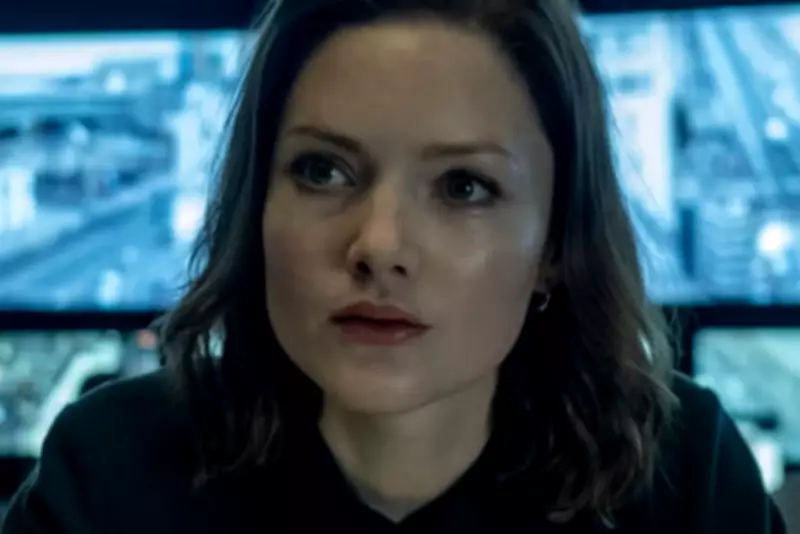
Lead star Holliday Grainger recalls early reviews that labeled the series as ridiculous, far removed from actual technological capabilities. "In just a few years, it's not just special tech guys in the military that are doing deepfakes; it's anyone on TikTok," she explains. "You can literally do it in your front room. The technology has evolved so quickly that the first series is almost passé."
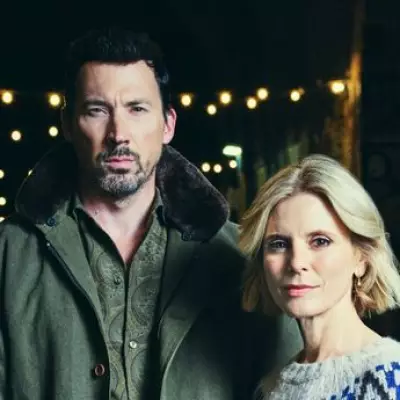
The show follows Grainger's character, DI Rachel Carey, a dogged detective who uncovers conspiracies involving deepfake technology known as Correction. Creator Ben Chanan notes that while writing subsequent seasons, he had to invent increasingly zany plot twists to stay ahead of real-life developments. "We're constantly playing a game of, 'Are we ahead or are we behind?'" he says, highlighting the challenge of keeping the narrative relevant in a fast-evolving tech landscape.
Deepfakes in Reality and Fiction
Deepfake controversies have become depressingly common in recent years. Altered videos of public figures like Elon Musk have been used in investment scams, and in 2023, a mother in Arizona fell victim to a "virtual kidnapping" scam involving a doctored recording of her daughter's voice. More recently, Musk's AI chatbot Grok allowed users to create sexualised deepfake images, including of underage girls.
Chanan points to a striking real-world parallel: during the production of the second series, a fake video of Ukrainian President Volodymyr Zelensky declaring peace with Vladimir Putin circulated online. "I was like, 'OK, it's totally catching us up,'" he recalls. This incident underscores how The Capture's fictional plots are increasingly mirrored by actual events.
The Impact on Cast and Crew
Grainger admits that filming the third series blurred the lines between reality and fiction for her. "While we were shooting series three, world events just went crazy," she says. "Powerful people were making crazy decisions in a way that just felt baffling. I started to read world events in a different way." This shift in perspective highlights the show's ability to provoke deeper questions about trust and manipulation in the digital age.
Chanan shares her concerns, questioning how society can verify the authenticity of video evidence in legal settings. "It's so easy to fake that—anyone can get an app and do it themselves," he remarks. "So it's like, what are we gonna do about this? I don't have the answer!"
A Thrilling Procedural with Lasting Appeal
The Capture has been a ratings success, averaging 5.66 million viewers in its first series and 3.81 million in the second. Yet, it hasn't achieved the water-cooler status of shows like Line of Duty. Grainger attributes this to its demanding nature: "You can't be on your phone in the background because you will miss it. It doesn't purposely repeat or spoon-feed the audience."
The show's realism is bolstered by a dedicated research team, including an advisor with counter-terrorism experience. Grainger reveals that conversations with this advisor made her realise the plot wasn't as far-fetched as she initially thought. "After just talking to him for five minutes, I realised nothing was far-fetched," she says.
Looking to the Future
As the third series premieres, fans wonder if this will be the final chapter. Grainger feels a trilogy would be fitting, noting, "All the best shows are trilogies." Chanan agrees, stating, "Three is a nice number. A trilogy feels nice." However, he acknowledges that the evolving landscape of AI offers ample material for future series. "We're just at the beginning of it. So there's plenty of inspiration if we want to do another series."
The Capture series three starts on Sunday 8 March at 9pm on BBC One, promising more propulsive twists and a deeper exploration of the Correction conspiracy.