Traitors Finale Captivates Nation with Historic Double Win
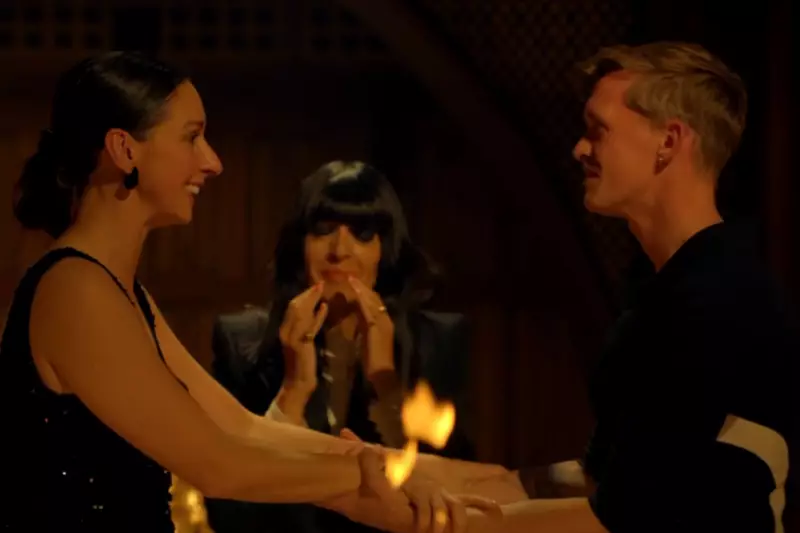
The fourth series of The Traitors concluded with a breathtaking finale that saw Celtic duo Rachel and Stephen make history as the first pair of traitors to claim victory together. With almost 12 million viewers tuning in for the climax, the BBC reality phenomenon once again demonstrated its extraordinary grip on the British public imagination.
A Masterclass in Deception and Strategy
From the moment the series began on New Year's Day, following just 56 days after The Celebrity Traitors concluded, questions swirled about potential viewer fatigue. Yet the show immediately dispelled any doubts, delivering what many are calling its most compelling season yet.
The winning partnership between Rachel and Stephen developed into an unshakeable bond within the Scottish castle's turret, their strategic alliance proving impenetrable to the faithful contestants. Their triumph represented something genuinely rare in reality television: a victory earned through genuine skill and psychological mastery rather than accidental success or public popularity.

Memorable Moments and Emotional Payoffs
Season four delivered numerous unforgettable scenes that will linger in viewer memories. The dramatic self-immolation of rogue "Secret Traitor" Fiona, crime novelist Harriet's questionable decisions, and side-burned gardener James's memorable malapropisms all contributed to the season's distinctive character.
The emotional climax proved particularly powerful. PhD student Jade's devastated reaction when her castle bestie Stephen betrayed her at the final roundtable, accompanied by her whispered admission of being "blinded by trust," provided raw human drama. Faraaz's quiet self-admonishment of "idiot..." following his banishment added another layer of psychological complexity.
Even host Claudia Winkleman found herself moved to tears during the climactic moments, her narration highlighting how the two traitors remained "totally faithful to each other" despite their deceptive game. This finale captured the brutal psychological drama at its absolute best.
The Disposable Nature of Modern Entertainment
Despite its current cultural dominance, The Traitors exists within the disposable entertainment landscape where even recent winners fade quickly from memory. Many viewers struggle to recall series three victors Leanne Quigley and Jake Brown, while earlier series' dramatic moments like Wilf's desperate pleas or Harry's betrayal of Molly remain more memorable.
The show occasionally delivers flashes of the organic carnage that characterised reality television's early-2000s heyday, but generally maintains tighter narrative control. This engineered quality serves a specific purpose in our modern media landscape.
A Shared National Experience in Fragmented Times
The Traitors functions as a form of public communion in an increasingly disaggregated society. Its twists, betrayals, and alliances provide the same dopamine hits that social media algorithms deliver, offering a structured alternative to mindless scrolling. The show doesn't compete with prestige dramas like The Bear or Severance but rather replaces empty digital consumption with communal viewing experiences.
During those gripping final moments, as the nation collectively rooted for traitor victory after three seasons of faithful dominance, the throwaway nature of the entertainment felt irrelevant. This was shared intrigue at its most potent.
A Warning for the BBC's Golden Goose
What remains uncertain is whether the BBC can exercise necessary restraint with its most successful reality format. The mere 56-day gap between celebrity and civilian versions represents a concerning precedent. British television history demonstrates how even the most dominant formats – from Strictly Come Dancing to The X-Factor – eventually fade from cultural prominence through over-exposure.
The current production team has perfected a winning combination: exceptional casting, tightly controlled narratives, and a host who gracefully cedes the spotlight to contestants. This alchemy has created television's most dazzling distraction during troubled times.

Rachel and Stephen's victory represents not just personal triumph but the peak of a carefully engineered television phenomenon. As viewers celebrate their historic win, the BBC faces the delicate challenge of preserving what makes The Traitors special while resisting the temptation to milk its success until audiences inevitably turn elsewhere.