The Wuthering Heights 'Fauxmance': How Far Will Robbie and Elordi Take It?
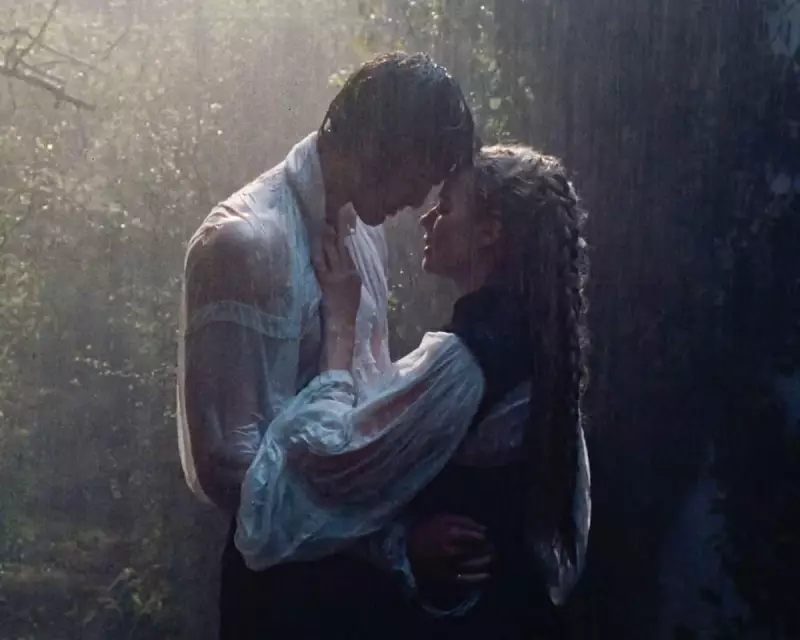
As the release of Emerald Fennell's adaptation of Wuthering Heights approaches, the press tour has taken a dramatic turn, with stars Margot Robbie and Jacob Elordi engaging in what many are calling a 'fauxmance'. From declarations of obsession to matching skeleton rings, the campaign has left audiences questioning where performance ends and promotion begins.
A Campaign of Romantic Gestures
The promotional efforts have been nothing short of theatrical. In a recent revelation, Robbie and Elordi were seen wearing matching rings adorned with hugging skeletons and the quote, 'Whatever our souls are made of, his and mine are the same'. This follows a series of intimate anecdotes shared by the pair. Robbie recounted how Elordi would watch her on set even when not required, making her feel 'lost' in his absence, while Elordi spoke of a 'mutual obsession'.
Valentine's Day saw Elordi filling Robbie's room with roses, prompting her to muse, 'He's probably a very good boyfriend'. However, this romantic narrative is complicated by the fact that Robbie is married to Tom Ackerley, with whom she has a young child and co-produces the film. This suggests a carefully orchestrated strategy, likely devised with Warner Bros' publicity team to generate buzz.

The Blurring of Reality and Performance
This approach echoes recent film campaigns, such as Wicked, where stars Ariana Grande and Cynthia Erivo's emotional interviews overshadowed the film itself. It raises concerns about whether modern audiences need to form parasocial relationships with actors to engage with a project. Historically, performances were confined to the screen, but now, promotional activities extend the act into real life, challenging viewers' ability to separate fiction from marketing.
The trend prompts reflection on the evolution of film promotion. With traditional media giving way to social media buzz, campaigns have become more immersive, yet potentially manipulative. Watching Robbie and Elordi's 'moony-eyed' interactions, knowing they'll drop the act once the next project arrives, highlights a shift in industry practices that some argue undermines artistic integrity.
Implications for Future Film Marketing
Looking ahead, this raises questions about upcoming releases. For instance, with Greta Gerwig's Narnia film featuring Emma Mackey as the witch, will similar tactics emerge? Might Mackey adopt anti-Christmas personas or engage in staged conflicts to align with her character? Such scenarios illustrate the potential for marketing to overshadow cinematic content, risking audience fatigue and cynicism.
Ultimately, the hope is that Wuthering Heights can achieve Barbie-style success without compromising viewers' critical thinking. As adults, distinguishing between actor and character should be straightforward, but campaigns like this test that ability. Perhaps this marks the peak of such strategies, with future promotions focusing more on the film's merits than fabricated romances.
In conclusion, while Robbie and Elordi's efforts may boost box office numbers, they come at the cost of audience trust and intellectual engagement. The film industry must balance innovation with authenticity to avoid alienating savvy viewers who crave substance over spectacle.