In the wake of the catastrophic Black Summer bushfires, the small New South Wales village of Cobargo faced a stark reality. The fires that raged in late 2019 and early 2020 did not just scorch the land; they tested the very fabric of the community. Yet, from the ashes, a powerful model of resilience has emerged, one built not solely on official plans, but on the unbreakable bonds between neighbours.
The Crucible of Black Summer
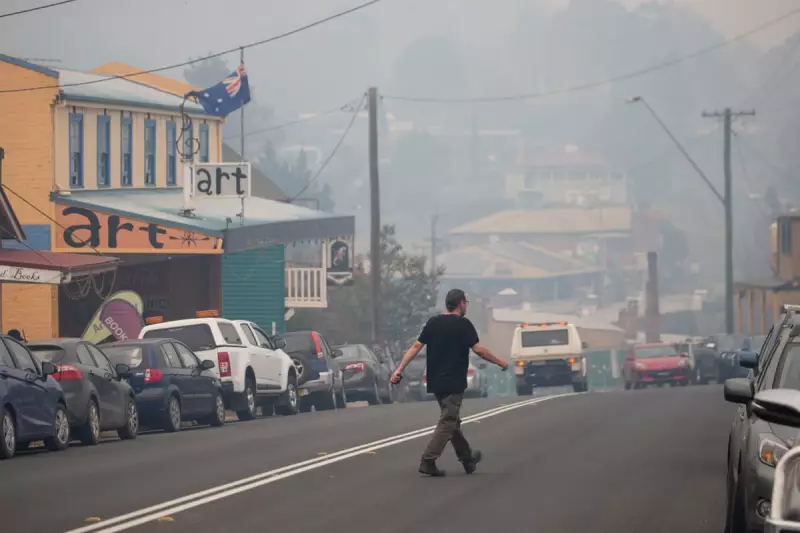
The fires reached Cobargo on New Year's Eve, 2019. The imagery of the main street ablaze became a national symbol of the disaster's ferocity. The community suffered profound loss, including the deaths of local people. In the immediate aftermath, as detailed by residents, the focus was on sheer survival and the gruelling tasks of clearing debris and securing basic necessities. The experience exposed critical gaps in traditional, top-down emergency responses, highlighting how isolated communities can be when infrastructure fails and official help is stretched thin.
Forging a Neighbour-Powered Plan
Rather than waiting for external solutions, Cobargo's residents turned inward to their greatest asset: each other. The community began developing a hyper-local, grassroots strategy for future crises. This goes beyond having a printed bushfire survival plan. It involves knowing exactly which neighbour has a generator, who has medical training, who can shelter animals, and who might need extra help to evacuate.

The core of the strategy is proactive communication and mapped local resources. Street-level networks were established, creating a web of mutual support that operates independently. This community-led approach ensures that vulnerability is reduced because everyone is both a potential helper and a person who might need assistance. The plan acknowledges that in a fast-moving fire, the first responders are often the people living next door.
Beyond Preparedness: The Lasting Legacy of Connection
The work in Cobargo is about more than just surviving the next fire. It's about building a stronger, more connected community every single day. The process of creating this neighbour-centric safety net has fostered deeper relationships and a renewed sense of collective responsibility. This social cohesion is now seen as vital infrastructure, as crucial as any fire truck or warning siren.
This model presents a powerful lesson for other towns across fire-prone regions. While official emergency services are indispensable, community self-reliance fills the critical gaps. The Cobargo experience suggests that resilience is not just about what you have, but about who you know and how you work together. Their greatest resource, they found, was one another.
The story of Cobargo is a testament to human spirit in the face of climate-driven disaster. It shows that recovery and preparedness are ongoing processes, rooted in local knowledge and solidarity. As extreme weather events become more frequent, the village's hard-won wisdom offers a blueprint: true readiness is communal, woven from the threads of everyday connection and shared determination.