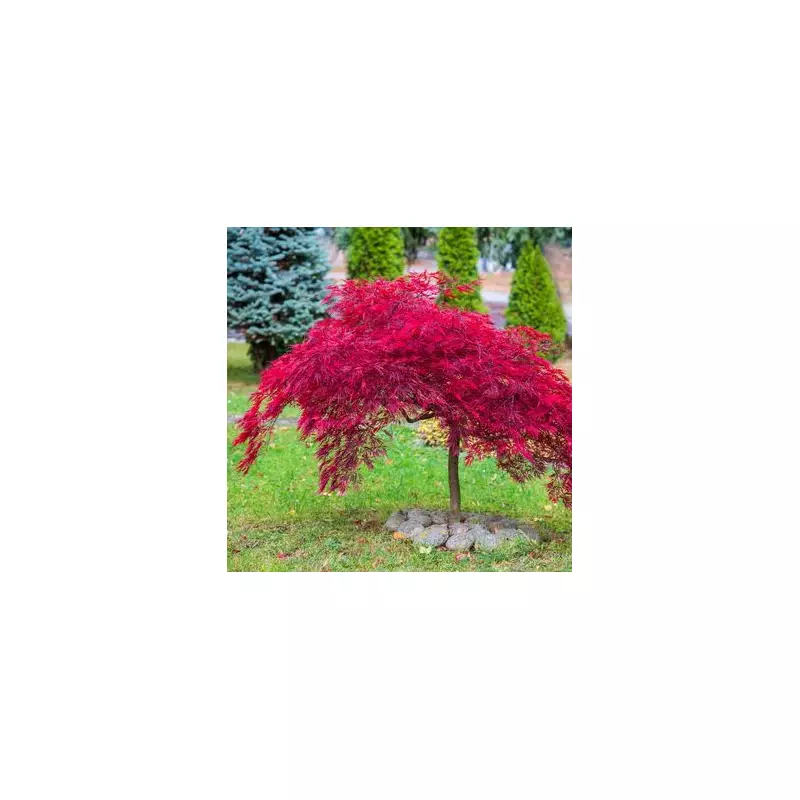
Gardeners across the UK are being urged to pick up their secateurs this winter to perform a crucial task that will ensure their prized Japanese maples get off to a flying start come spring. According to expert advice featured in the Express, a timely prune while the tree is dormant can significantly boost its health and beauty.
The Expert Pruning Guide for Japanese Maples
Melissa Strauss, a gardening specialist from Epic Gardening, has provided clear guidance for the care of these elegant trees. She advises that pruning should be carried out in winter while the Japanese maple is fully dormant. This timing is key because these trees bloom on new growth, and trimming them now directly results in faster growth and a "more vigorous start in the spring."
For younger trees, the approach is slightly different. They typically require little intervention in their early years unless you are training them into a specific shape. However, a light trim can still be beneficial as it helps to stimulate dormant buds, which in turn encourages better and more attractive branching.

How to Prune Correctly
The pruning process should be methodical. Begin by removing any dead, diseased, or damaged wood. Then, look inside the canopy to assess its structure. When cutting entire branches away, it's vital to make your cut flush with the trunk but avoid damaging the branch collar.
Next, focus on thinning out the centre of the tree. Remove any weak water shoots and branches that are crossing over each other, as these can rub and cause wounds. A critical rule to remember is to never remove more than a quarter of the tree's total branches in a single pruning session. This prevents undue stress and promotes a balanced recovery.
Other Shrubs That Benefit From Winter Pruning
Strauss also highlighted several other popular garden plants that thrive after a winter trim, applying similar principles of dormancy and new growth.
Panicle Hydrangeas: Unlike their oakleaf and bigleaf cousins which bloom on old wood, panicle hydrangeas flower on new wood. Winter pruning therefore "promotes vigorous growth and thus, increased flowering." The advice is to remove crossing branches to keep an open centre and cut back stems by about one-third, just above an outward-facing bud.
Spiraea: These flowering shrubs respond very well to a winter prune. "This will help to rejuvenate the plant and encourage bushier growth in the spring," notes Strauss. They can tolerate quite hard pruning, which stimulates denser, more floriferous growth. For a lighter touch, simply remove dead material and shape as desired, avoiding cutting to the same height every year to prevent congestion.
Crape Myrtle: Shaping these in winter "promotes healthy growth, branching, and thus, more flowering." Aim for an open vase shape, removing interior branches that cross and gently tipping the ends of branches if you desire an even greater show of blooms.
By dedicating a little time to these essential winter pruning tasks, UK gardeners can set their landscapes up for a season of exceptional growth and vibrant colour, with the Japanese maple taking a well-deserved centre stage.