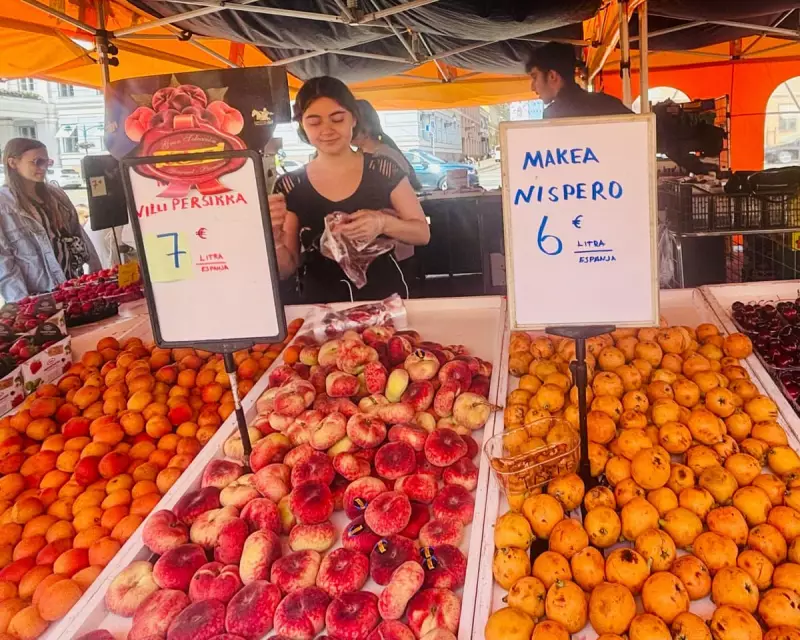
While much of Europe nervously eyes its emptying shelves and strained supply networks, one nation stands apart with a formidable buffer against disaster. Finland, a country with a long memory of scarcity, has built a vast, strategic reserve of essential goods that is now the envy of its neighbours.
The Finnish Model: A Legacy of Preparedness
Finland's approach isn't a newfound panic, but a deeply ingrained national philosophy. For decades, the country has legally mandated the stockpiling of key commodities, from months' worth of fuel and grain to vital pharmaceuticals. This system, managed by a dedicated agency and supported by private companies, is designed to shield the nation from the very supply shocks currently rattling the continent.
This isn't mere hoarding; it's a sophisticated, state-coordinated insurance policy. As one expert noted, it’s the difference between being a passenger on a shaky boat and being the captain with a life raft.

Europe's Wake-Up Call
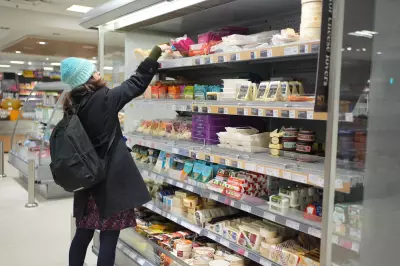
The contrast with the rest of Europe could not be starker. The UK and many EU member states operate on a 'just-in-time' logistics model, a system of breathtaking efficiency in calm times but terrifying fragility in a crisis. Recent events—from pandemic disruptions to geopolitical tensions and extreme weather—have exposed the brittle nature of these long, complex supply chains.
The question now being asked in corridors of power from Westminster to Brussels is stark: has the pursuit of efficiency sacrificed essential resilience?
Key Lessons for the UK and EU
- Strategic Necessity: National security is no longer just about troops and treaties; it's about fuel, food, and the ability to keep the lights on.
- Beyond Market Forces: Relying solely on the private sector and global markets to provide stability in a major crisis is a dangerous gamble.
- The Cost of Complacency: Investing in preparedness has a price, but the cost of being unprepared, as recent energy and food price spikes show, is catastrophically higher.
Finland’s example serves as a powerful case study. It demonstrates that resilience is a choice—one that requires long-term planning, investment, and a cultural shift away from short-term thinking. For the UK, grappling with its own unique post-Brexit supply challenges, the Finnish model offers not a direct blueprint, but an urgent provocation to think differently about national readiness.
As Europe stares down an uncertain winter and beyond, the conversation is shifting from how to make supply chains faster to how to make them stronger. And on that front, the quiet Finns are years ahead.