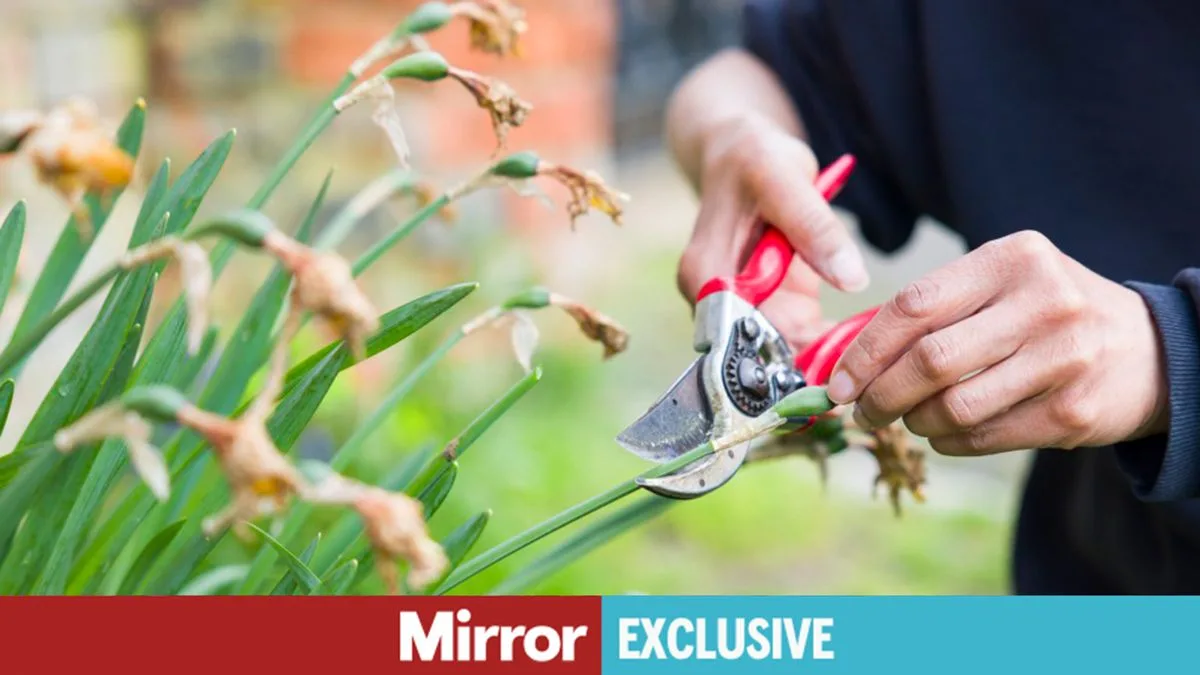
With the arrival of warmer, sunnier days across the country, many homeowners are eagerly turning their attention to their outdoor spaces, seeking to revitalise their gardens after the winter months. However, a seasoned gardening professional with over three decades of experience is urging caution, highlighting a widespread error that could lead to both financial waste and plant damage.
The Rush to Add Colour
Peter Dowdall, widely known as The Irish Gardener, has observed a common pattern as the weather improves. In an exclusive discussion, he explained that people often make a critical mistake driven by enthusiasm for the brighter conditions. "If this is being published in the next week or two, then another common mistake people make at the moment is, particularly with the improvement in the weather, we are in a mad rush to see colour in the garden," Dowdall stated.
He elaborated that this typically involves a hasty trip to the garden centre to purchase numerous summer bedding plants, which are then immediately placed outdoors. "Run down to the garden centre, get lots and lots of summer bedding plants and put them out straight away. That's a big mistake," he emphasised.
Why Early Planting Fails
Despite the inviting blue skies and sunshine, Dowdall pointed out that current conditions are deceptive. "With the lovely blue sky days, at the moment, that does mean cold nights. So these plants wouldn't be, they wouldn't even be resistant to low temperatures," he clarified. He warned that temperatures dropping to just two, three, or four degrees Celsius are sufficient to harm these plants, even without a frost or freezing conditions.
The expert detailed that most summer bedding plants available now have been cultivated in controlled environments such as glasshouses or tunnels. They are then sold in settings like centrally heated supermarkets or protected structures within garden centres. "That's why they look good, but they are not ready to go outside straight away," Dowdall explained, stressing that they lack the hardiness to withstand the still-chilly nighttime temperatures typical of early spring.
Lawn Care Pitfalls
For those considering focusing on lawn maintenance instead, Dowdall also advised proceeding with care. He highlighted another frequent error: purchasing combined lawn feed products that include both moss killer and weed killer. According to Dowdall, this approach is not only environmentally harmful but also inefficient, as it involves applying chemicals to areas of the lawn that may not require treatment.
To assist gardeners in avoiding such mistakes, Dowdall has developed a free online resource called Ask Peter, accessible through his website. This tool leverages his thirty years of professional gardening expertise to provide guidance tailored to all skill levels, from beginners to more experienced enthusiasts.
Empowering Gardeners
Reflecting on his extensive experience in retail garden centres, Dowdall noted that many customers feel overwhelmed by the terminology and variety of products. "I know from working 20-odd years in retail garden centres, when customers walk into garden centres, you can see they're just nervous. They don't know all the names, and they're put off by the terms," he shared.
The Ask Peter function aims to demystify gardening by offering clear, actionable advice. For instance, it might recommend, "'Okay, what you need for your lawn is an organic kind of biochar-based lawn food that weed controls', so you can go to the garden centre and know what you're looking for." Dowdall hopes this resource will prevent homeowners from wasting significant sums on common errors and encourage more confident, informed gardening practices.
As BBC Weather forecasts predict sunny spells continuing into next week before rainfall returns, Dowdall's advice serves as a timely reminder to resist the temptation of premature planting. By waiting for more stable, warmer conditions, gardeners can ensure their efforts yield vibrant, healthy gardens without unnecessary expense or environmental impact.