The battle to hold the fossil fuel industry legally accountable for its role in the climate crisis reached a new intensity in American courtrooms throughout 2025. With the Trump administration actively promoting fossil fuels, a growing wave of litigation from states, cities, and private citizens sought to confront alleged decades of corporate deception. The past year delivered significant milestones for climate accountability, but also formidable challenges as the industry fought back.
Major Cases Advance Amidst Stiff Resistance
More than 70 US states, cities, and local governments have now filed lawsuits accusing major oil and gas corporations of misleading the public about climate science. In 2025, courts repeatedly rebuffed attempts by fossil fuel interests to derail these proceedings. The US Supreme Court declined to kill a high-profile lawsuit brought by Honolulu and rejected an unusual attempt by several Republican-led states to block such cases entirely. Numerous state courts also refused to dismiss suits or move them to federal courts, which are often viewed as more favourable to industry defendants.
However, the litigation push encountered setbacks. Under external pressure, Puerto Rico voluntarily dismissed its 2024 lawsuit in May. Charleston, South Carolina, also chose not to appeal after its case was thrown out. A critical juncture now rests with the Supreme Court, which is expected to decide imminently whether to review a lawsuit filed by Boulder, Colorado, against two oil giants.
"So far, the oil companies have had a losing record trying to get these cases thrown out," noted Richard Wiles, president of the Center for Climate Integrity, which supports the litigation. "The question is, does Boulder change that?" A ruling in favour of the companies could jeopardise Boulder's case and over a dozen others with similar legal arguments, though Wiles believes it would not signal "the end of big oil being held accountable in the court."
Novel Legal Strategies and Political Pushback
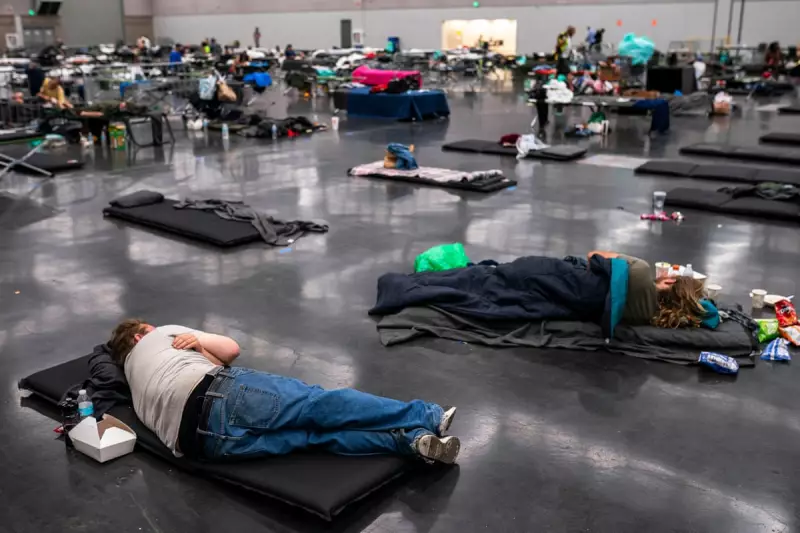
Climate litigation broke new legal ground in 2025 with innovative claims linking corporate actions directly to individual and financial harm. In a landmark case, a Washington state woman filed the first-ever wrongful-death lawsuit against Big Oil, alleging the industry's climate negligence contributed to her mother's death during a severe heatwave. Later in the year, Washington residents launched a class action claiming fossil fuel sector deception led to a climate-driven spike in homeowners' insurance premiums.
"These novel cases reflect the lived realities of climate harm and push the legal system to grapple with the full scope of responsibility," said Merner.
The political landscape grew increasingly contentious. Hawaii became the tenth state to sue Big Oil, filing its case just hours after the US Department of Justice, in an unusual move, sued Hawaii and Michigan to pre-empt their planned litigation. Observers viewed this as a direct response to political pressure from the Trump administration.
The Escalating Fight for an Industry Liability Shield
Parallel to the courtroom battles, the fossil fuel industry and its political allies intensified efforts to secure protection from current and future lawsuits. In April, President Trump signed an executive order directing the Justice Department to halt climate accountability litigation. By July, members of Congress attempted to insert language into a spending bill that would cut off Washington DC's funding to enforce consumer protection laws "against oil and gas companies for environmental claims."
Evidence mounted that a concerted push was underway for a comprehensive federal liability shield, potentially modelled on a 2005 law that insulated the firearms industry from many lawsuits. In June, 16 Republican state attorneys general asked the Justice Department to help create such a shield for fossil fuel companies, according to the New York Times. Lobbying disclosures reviewed by Inside Climate News further revealed that major industry players, including ConocoPhillips and the American Petroleum Institute, were lobbying Congress on draft legislation for immunity.
"We expect they could sneak language to grant them immunity into some must-pass bill," warned Wiles. "That’s how we think they’ll play it."
The Litigation Horizon: Plastics and Weather Attribution
Looking ahead to 2026, legal experts anticipate a further expansion of climate accountability lawsuits, targeting not only oil majors but other high-emitting industries. A precedent was set in 2025 when New York's attorney general secured a $1.1 million settlement from meat giant JBS over alleged greenwashing, a victory that may inspire similar actions.
Future cases are expected to focus on corporate deception regarding plastic pollution, following the case filed by California in 2024. Advances in attribution science, which links specific extreme weather events to climate change, are also paving the way for lawsuits centred on discrete disasters. Researchers and law firms are developing new legal theories, suggesting the surface of potential corporate liability has only just been scratched.
"Companies have engaged in decades of awful behavior that creates liability on so many fronts," said Wiles. "We haven’t even really scratched the surface of the numerous ways they could be held legally accountable for their behavior."