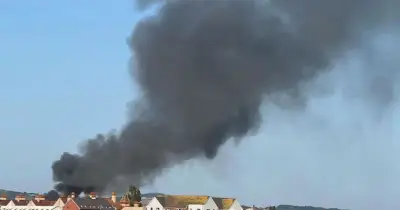
South Australia endured another day of extreme heat on Monday, as Victoria braced for potentially record-breaking temperatures and heightened bushfire danger. More than 1,100 residents near the Otways fire were urged to prepare to evacuate, with conditions forecast to be the hottest in history for some areas.
Tuesday could see heat records broken across Victoria and eastern South Australia, with maximums near 50°C in inland regions, according to the Bureau of Meteorology. Ouyen and Mildura in north-west Victoria were forecast to reach 49°C, which would surpass the state's all-time record of 48.8°C set on Black Saturday in 2009. Melbourne was predicted to hit 45°C, approaching its record of 46.4°C.
Senior meteorologist Dean Narramore said numerous locations would likely approach or exceed January and annual records. Overnight temperatures in Adelaide were expected to remain in the mid-30s. The severe-to-extreme heat, with temperatures in the mid-to-high 40s, was forecast to persist into next weekend across inland Victoria, South Australia, and New South Wales.

Victoria's Chief Health Officer, Dr Caroline McElnay, warned that prolonged heat and high overnight temperatures increased the risk of heat-related illness. She advised staying cool, hydrated, and indoors, and urged people to know the warning signs, including heavy sweating, dizziness, nausea, headache, and confusion. Life Saving Victoria reminded beachgoers to stay safe, as drowning risk doubles on public holidays.
A statewide total fire ban was in place for Victoria on Tuesday, with total fire bans also in effect for South Australia's west coast and New South Wales' central ranges. Six major fires continued to burn in Victoria after an earlier heatwave in January, which analysts said was made five times more likely by global heating. The Country Fire Authority warned that conditions would significantly increase the likelihood of fire spreading, posing a serious threat to homes and lives.