Australia's 'Dome of Heat' Shatters Records as One of Nation's Worst Heatwaves
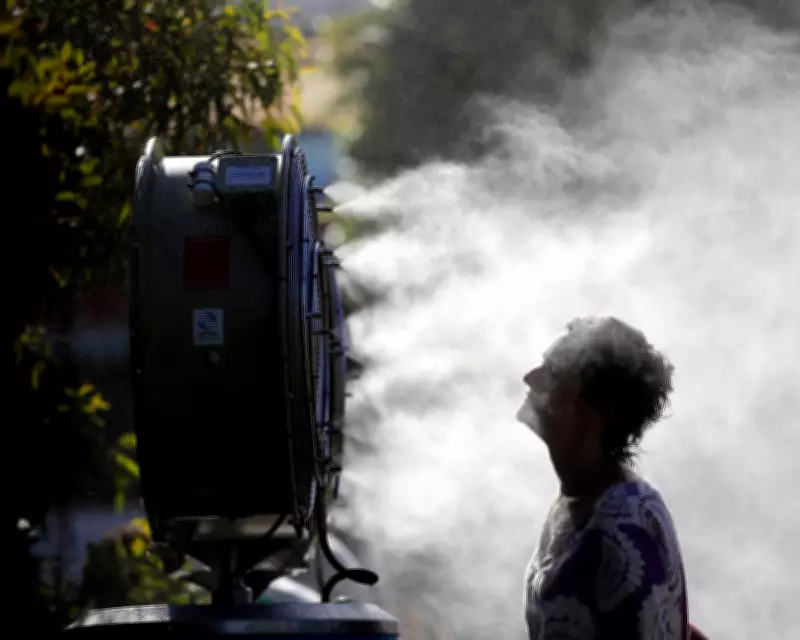
As a tennis fan stands before a mist sprayer seeking relief during the Australian Open in Melbourne, the scene captures a nation grappling with extraordinary climatic conditions. Day and night, there has been no respite from what meteorologists are calling one of south-eastern Australia's most significant heatwaves on record. This exceptional weather event combines soaring temperatures, unprecedented heat at altitude, and dangerously hot summer nights to create a prolonged period of extreme conditions.
Unprecedented Temperature Extremes
While heatwaves during an Australian summer might seem commonplace, the current event has broken remarkable records. The remote opal mining town of Andamooka in South Australia's far north reached a staggering 50 degrees Celsius on Thursday, marking only the eighth time such a temperature has been recorded anywhere in Australia. This peak occurred within what climatologists have termed a dome of heat, which began with exceptional temperatures in the west before moving into south-eastern regions where it remains trapped by atmospheric conditions.
Dr Simon Grainger, a senior climatologist at the Bureau of Meteorology, states this heatwave ranks among the most significant ever observed for south-east Australia. Its intensity, duration, and the length of time temperatures have remained above critical thresholds make it comparable to historic events in January 2009 and January 1939. Approximately fifty weather stations across western New South Wales, western Victoria, and eastern South Australia have recorded their highest ever temperatures during this period.

Alpine Regions Experience Remarkable Heat
In a particularly unusual development, Australia's alpine regions have experienced temperatures more typical of lowland areas. Where an average January day might reach 18 degrees Celsius, the ski town of Falls Creek recorded 30.5 degrees Celsius on 28 January, while Perisher Valley in New South Wales reached 30.8 degrees Celsius. These represent record highs for both locations and demonstrate the extraordinary nature of this heatwave.
Those are pretty remarkable temperatures, notes Dr Grainger, who points out that temperatures at 1,700 metres above sea level exceeded those recorded in Melbourne and Sydney at sea level on the same day. This phenomenon highlights how the heat dome has affected regions typically considered refuges from summer extremes.
Dangerous Nights Without Relief
The heatwave's impact extends beyond daytime records to create dangerously hot nights that prevent natural cooling. In Adelaide, after temperatures peaked at 44.7 degrees Celsius, residents endured the city's hottest night since records began, with the mercury dipping only to 34.1 degrees Celsius before quickly rising again above 40 degrees. This represents approximately 18 degrees above the average overnight temperature.
Dozens of inland towns across three states have faced five or more consecutive days above 40 degrees Celsius, with some locations experiencing heat that may persist for an entire week. Towns including Maree in South Australia, along with Wilcannia and White Cliffs in New South Wales, sweated through three consecutive days of at least 48 degrees Celsius, a phenomenon never before recorded in New South Wales.
Health Impacts and Hospital Admissions
Extreme heat represents the most common cause of weather-related hospitalisations in Australia, claiming more lives than all other natural hazards combined. The combination of stifling conditions and sleepless nights creates particularly dangerous circumstances for vulnerable populations.
Dr Caroline McElnay, Victoria's chief health officer, warns that even while you're asleep, extreme overnight heat can be dangerous. When temperatures remain high overnight, the human body struggles to cool down, significantly increasing risks of heat stress and potentially fatal heatstroke. Preliminary data indicates heat-related admissions to emergency departments in Adelaide have tripled compared to January 2025, though the full health impacts remain to be quantified.

Sporting Events Adapt to Extreme Conditions
Amid dire forecasts and heat health warnings, major sporting events have implemented adaptations. The Australian Open tennis tournament proceeded under extreme heat protocols, with play on outer courts suspended during the worst conditions. The event experienced significantly reduced attendance, potentially costing an estimated $1 million in lost revenue from tickets, food, and beverages. Questions are emerging about the long-term viability of holding such events outdoors in January as global heating intensifies.
Other competitions made more substantial changes, with the Tour Down Under cycling event altering its route at the last minute to avoid the most demanding stage as Adelaide faced forecast temperatures of 42 degrees Celsius alongside bushfire threats.
Climate Context and Future Outlook
This heatwave follows another significant event earlier in January, which scientists determined was made five times more likely by global heating. During that previous event, fires across Victoria burned 435,000 hectares of land and caused the worst mass fauna mortality event since the Black Summer of 2019–20, killing thousands of flying foxes.
Meteorologists expect the current heatwave to finally clear the country by Sunday, but long-range forecasts indicate hotter-than-average days and nights are likely to continue into autumn. As Australia experiences these increasingly extreme weather events, the nation faces ongoing challenges adapting to a changing climate while managing immediate health, economic, and environmental impacts.