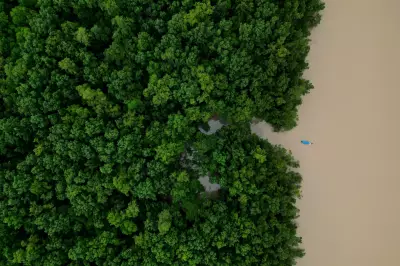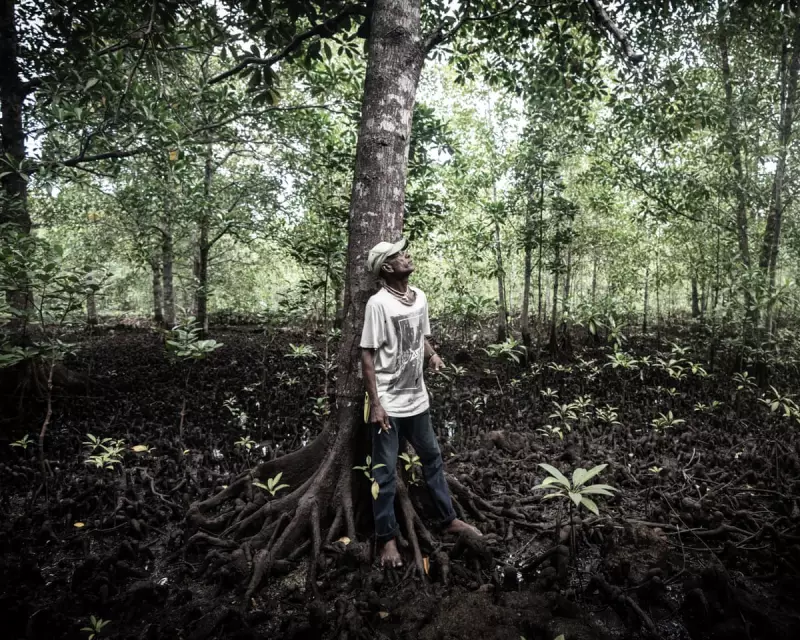
The Solomon Islands, a Pacific archipelago renowned for its rich biodiversity, is facing an environmental crisis as rising sea levels and coastal erosion devastate its mangrove forests. These vital ecosystems, which act as natural barriers against storms and provide habitats for marine life, are disappearing at an alarming rate.
The Silent Crisis Beneath the Waves
Scientists report that mangrove forests in the Solomon Islands have declined by nearly 20% over the past two decades. The primary culprit? Climate change. As global temperatures rise, so do sea levels, swallowing coastal habitats and leaving communities vulnerable to extreme weather events.
Why Mangroves Matter
Mangroves are more than just trees—they are lifelines:

- Coastal Protection: Their dense root systems reduce wave energy, preventing erosion.
- Carbon Storage: Mangroves sequester up to four times more carbon than terrestrial forests.
- Biodiversity Hotspots: They nurture juvenile fish and crustaceans, supporting local fisheries.
A Race Against Time
Local conservationists are scrambling to implement restoration projects, but the scale of the challenge is daunting. "Without immediate global action to curb emissions, these ecosystems may vanish within our lifetimes," warns Dr. Elena Vataga, a marine biologist studying the region.
The Solomon Islands' plight serves as a stark reminder of the interconnectedness of climate change and ecosystem health—and the urgent need for solutions.