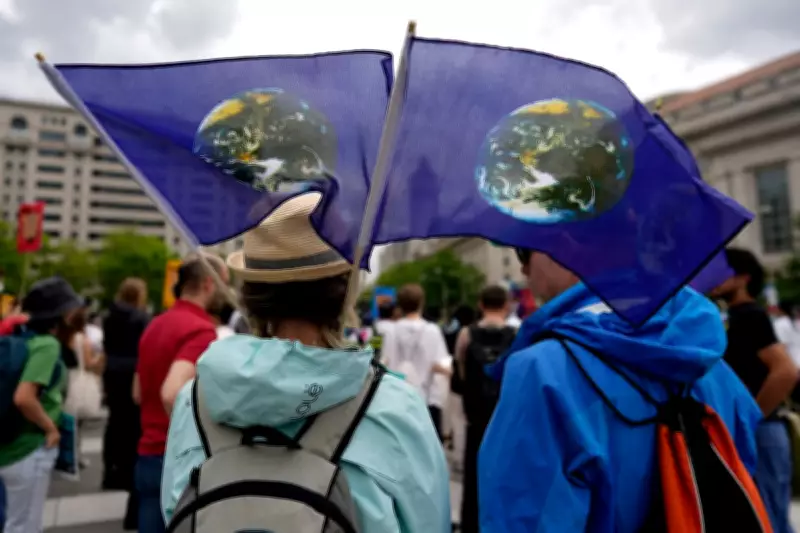
Millions of people around the world will observe Earth Day on Wednesday, an annual event dedicated to inspiring environmental activism and protecting the planet. The day traces its roots to US Senator Gaylord Nelson, who was deeply moved by a massive offshore oil spill in 1969. He proposed a national "teach-in" on environmental issues, which led to the first Earth Day on 22 April 1970. The timing was chosen to maximise student participation, and the event proved highly influential. It spurred the creation of landmark US legislation such as the Clean Air Act and the Clean Water Act, and is widely regarded as the birth of the modern environmental movement.
Global Expansion and Focus on Climate Change
Since its inception, Earth Day has grown into a global phenomenon, now observed in more than 192 countries. Since 2000, the event has increasingly focused on climate change, reflecting the urgency of the crisis. This year's campaign is titled "Our Power, Our Planet," emphasising the role of individuals and communities in driving change.
How to Participate
People can get involved by planting trees, reducing waste, supporting renewable energy, or joining local clean-up efforts. Earth Day serves as a reminder of the collective responsibility to safeguard the environment for future generations.