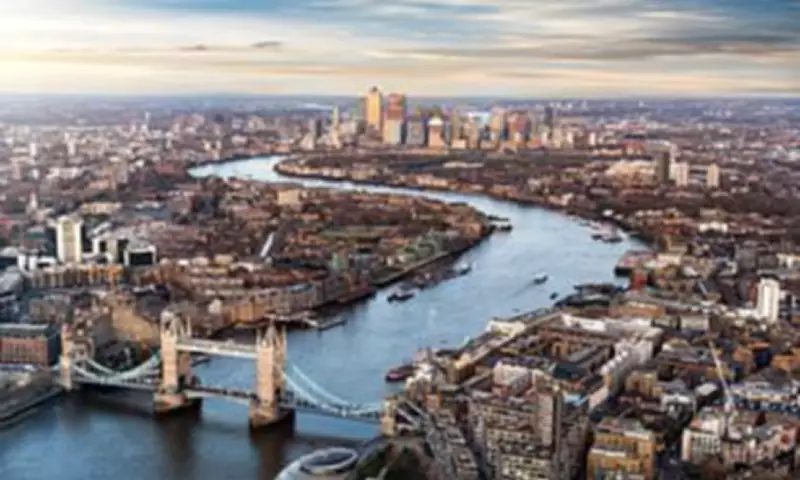
Open water swimming continues to surge in popularity across England, prompting the proposal of thirteen new designated bathing spots set to open in May. Among these, the Ham and Kingston site on the River Thames stands out as a landmark development, poised to become London's first official river bathing location on this major waterway.
Water Safety and Testing Protocols
However, the initiative comes with significant environmental considerations. Pollution levels in the area are known to fluctuate, necessitating regular and rigorous testing to determine if the water is safe for public use. The stretch of water between the Royal Canoe Club and the Kingston parkrun area will undergo frequent monitoring for harmful bacteria, including E. coli.
Based on these tests, the water quality will be classified into one of four categories: excellent, good, sufficient, or poor. This classification system will directly inform swimmers about the safety of the water. A rating of 'poor' will result in official advice for swimmers to avoid the area entirely.

Local Perspectives and Historical Context
Previous tests conducted by local residents have yielded a mixed bag of results, ranging from 'excellent' at times to readings that would fail safety standards. Simon Griffiths, a local resident and founder of Outdoor Swimming magazine, highlighted this variability in an interview with The Times.
'We know it can be excellent here but we also know that it can be very bad, particularly after a heavy rainstorm and we get the storm overflows [which release sewage spills],' Griffiths stated. 'If it’s not meeting bathing water standards, then we can identify what is causing the problem and hopefully take some action to fix it.'
Many London locals view the potential Ham and Kingston bathing site as a 'celebration' of the river. They hope it will transform the Thames into a 'place for recreation' rather than a conduit for sewage disposal. This vision marks a dramatic shift from 1957, when the Thames was declared 'biologically dead' by the Natural History Museum due to extreme pollution.
Environmental Progress and Ongoing Challenges
The river has undergone a remarkable recovery since that low point. Research by the Zoological Society of London in 2021 documented positive signs, including:
- An increase in diverse bird species
- A resurgence of marine mammals
- The growth of natural habitats like carbon-capturing saltmarsh, which is crucial for wildlife
Despite this progress, the study also revealed persistent threats, including the impacts of climate change, rising temperatures, plastic waste, and general litter. These issues underscore the fragile nature of the river's ecosystem.
Recent Incidents Highlighting Pollution Concerns
The urgency of addressing water quality was starkly illustrated just last year. A group of Olympic and world-class swimmers were forced to abandon a high-profile swim designed to raise awareness of river pollution after encountering raw sewage in the water.
The event, known as the Thames Swim Against Sewage, involved athletes from across England, Scotland, Wales, and Northern Ireland. Their goal was to highlight the crisis affecting the UK's waterways through a 200km nonstop relay down the River Thames, from Lechlade to Westminster.
However, upon reaching Henley, dangerous levels of harmful bacteria, including E. coli from overflowing raw sewage, forced the team to halt the challenge. This pollution concern necessitated skipping approximately 15 kilometres of the planned route. The disappointment extended to a young boy who had been eagerly waiting to join his family for the swim, only to have his hopes dashed by the unsafe conditions.
The Broader National Picture
Ham and Kingston is one of thirteen bathing areas under consideration across England. Other potential sites include:

- Little Shore, Amble, Northumberland
- Canvey Island Foreshore, Essex
- River Dee at Sandy Lane, in Chester
The success of these sites, particularly the pioneering Thames location, will depend heavily on consistent water quality monitoring and effective action to address pollution sources, especially sewage overflows during heavy rainfall. The initiative represents a significant step towards reclaiming urban rivers for public recreation, but it is a step that must be taken with caution and commitment to environmental stewardship.