Met Office Issues Urgent Cold Water Shock Warning
The Met Office has issued an urgent warning about the dangers of cold water shock as Britain braces for temperatures of up to 34C next week. An Amber Extreme Heat Warning has been issued for much of southern England and south-east Wales, with the heatwave developing over the weekend and intensifying on Monday and Tuesday. Forecasters say temperatures could reach 34C, with the possibility of even higher readings in some areas.
While many people may head to beaches, rivers and lakes to cool off, officials have warned that the water remains dangerously cold despite the soaring air temperatures. The RNLI warns that entering cold water unexpectedly can lead to cold water shock, causing a sudden increase in breathing and heart rate, which may trigger panic and even heart attacks.
RNLI Warns of Heart Attack Risk
RNLI National Water Safety Partner Samantha Hughes said: "With warmer weather approaching, it's important to remember that the water is still cold. Entering it unexpectedly can lead to cold water shock, causing a sudden increase in breathing and heart rate, which may trigger panic."

The warning is particularly important for those with underlying heart problems, as the body's sudden reaction to cold water can impact the cardiovascular system. The RNLI website explains: "Cold water shock causes the blood vessels in the skin to close, which increases the resistance of blood flow. Heart rate is also increased. As a result the heart has to work harder and your blood pressure goes up. Cold water shock can therefore cause heart attacks, even in the relatively young and healthy."
How Cold Water Shock Affects the Body
The sudden cooling of the skin by cold water also causes an involuntary gasp for breath. Breathing rates can change uncontrollably, sometimes increasing as much as tenfold. All these responses contribute to a feeling of panic, increasing the chance of inhaling water directly into the lungs. The RNLI warns that it only takes half a pint of sea water to enter the lungs for a fully grown man to start drowning. Immediate medical care is essential.
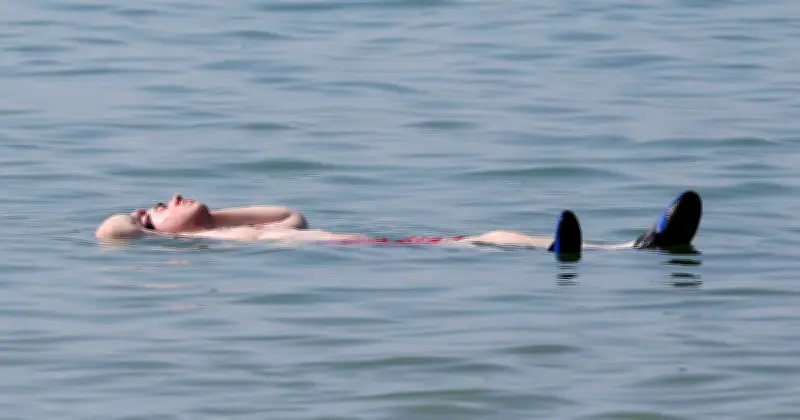
If caught out in the water, the RNLI advises people to "Float to Live" by tilting their head back with their ears submerged, relaxing and focusing on controlling their breathing until the effects of cold water shock pass.
Safety Advice for Swimmers
Those planning to swim are advised to check water temperatures, wear a wetsuit if spending extended periods in the water and consider using a life jacket or swimming buoy. It is also recommended to choose lifeguarded beaches wherever possible and swim between the red and yellow flags.
Heatwave Peak and Tropical Nights
The Met Office said the heatwave will peak at the start of next week, with high humidity making conditions feel even more uncomfortable. Overnight temperatures could also remain above 20C in some places, creating so-called "tropical nights" that offer little relief from the heat. Deputy Chief Forecaster Greg Wolverson said temperatures would climb into the mid-30s on Monday and Tuesday, while the combination of heat and humidity could lead to widespread impacts.