Superpower Institute Proposes Major Fossil Fuel Levy to Fund Emissions Cuts and Household Compensation
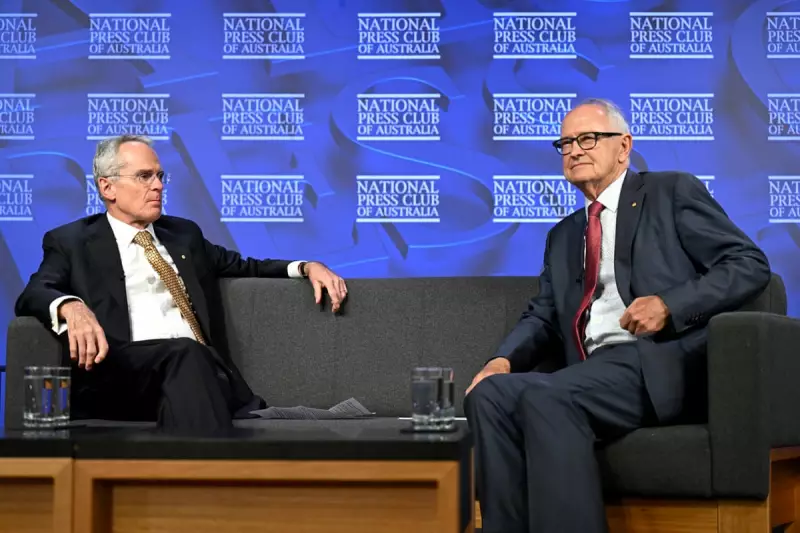
Senior economists and former public servants have unveiled a comprehensive proposal for a substantial new levy on fossil fuel companies operating in Australia. The detailed report from the Superpower Institute, backed by prominent figures including longtime Labor adviser Ross Garnaut and former consumer watchdog chair Rod Sims, outlines a dual taxation approach that could transform Australia's climate policy landscape.
The 'Polluter Pays' Principle in Action
The centrepiece of the proposal is a "polluter pays levy" that would apply to companies extracting or importing fossil fuels consumed within Australia. This levy would target approximately 60 companies responsible for about 80% of the nation's emissions, implementing what the institute describes as a simple principle: those causing environmental damage should contribute to its resolution.
Rod Sims, chair of the Superpower Institute and former head of the Australian Competition and Consumer Commission, emphasised the fairness of this approach. "These products are responsible for about 80% of Australia's emissions, but ordinary Australians are picking up the tab," he stated. "It's a simple principle: if you cause the damage you should help fix it. That's not radical, it's fair."

Dual Taxation Approach with Significant Revenue
The institute's proposal includes two distinct levies with complementary purposes. The pollution levy would begin at $17 per tonne of carbon dioxide, gradually increasing until it aligns with the European Union carbon price by 2034. Simultaneously, a "fair share levy" would substantially increase taxation on local gas producers, raising their effective tax rate from approximately 30% to just under 60%.
This adjustment would bring Australia's gas taxation closer to levels seen in other fossil fuel exporting nations like Norway, where rates range between 75% and 90%. According to the report's modelling, this increased taxation would ensure companies pay "their fair share for extracting the gas resources that belong to all Australians" while remaining economically neutral and not affecting industry investment returns or export prices.
Substantial Financial Impact and Household Compensation
The combined effect of these levies would generate significant annual revenue, estimated to average $35.6 billion between 2026 and 2050. Revenue would begin at less than $20 billion annually before rising to over $40 billion after 2030, creating a substantial funding stream for climate initiatives and budget restructuring.
Critically, the proposal includes comprehensive compensation mechanisms for households facing increased costs. Families would receive hundreds of dollars through a universal energy compensation payment supplemented by targeted additional support packages. These payments would be frontloaded over the next decade, gradually declining as households transition from fossil fuel dependence to clean electricity for homes and vehicles.
Sims indicated that approximately $5 billion annually should be dedicated specifically to household cost-of-living relief, with remaining funds addressing structural budget deficits and supporting social policies and green industries.
Political Context and Public Support
The report represents a significant development in Australia's long-running debate about carbon pricing, which has remained contentious since former Prime Minister Tony Abbott abolished the previous scheme twelve years ago. Despite Labor's historical reluctance to revisit emissions pricing due to political concerns, the institute suggests changing circumstances may create new opportunities.
Supporting this perspective, commissioned polling from Redbridge Group indicates substantial public backing, with 68% of Australians reportedly agreeing with introducing a "polluter levy" on major greenhouse gas emitters. This suggests potential political viability despite the historically divisive nature of climate policy debates.

Expert Endorsement and Future Implications
The proposal has received endorsement from respected figures including former Treasury head Ken Henry, who led the department for a decade until 2011. Although not involved in the Superpower Institute's analysis, Henry described the report's numbers as credible and supported its recommendations.
Henry highlighted the current political moment as particularly opportune for substantial policy change, noting widespread recognition that "some big things need to happen" and that "benefits that have accrued to the nation have been overly concentrated in a few hands." He suggested this creates opportunities for creative policy-making in the national interest, particularly benefiting future generations.
The comprehensive proposal represents one of the most detailed recent attempts to revive carbon pricing in Australia while addressing both climate concerns and economic challenges through a structured, compensation-focused approach.