Torcross Village Battles Unrelenting Storms and Coastal Erosion in 2026
Torcross Village Fights Storms and Coastal Erosion in 2026

Torcross Village Endures a Year of Devastating Storms in 2026

In the small coastal village of Torcross, Devon, the year 2026 has been defined by a relentless series of storms, leaving residents grappling with unprecedented damage and an uncertain future. The impact is felt from shattered homes to a vital natural defence system, as the community faces the harsh realities of extreme weather and coastal erosion.

A Personal Account of the Storm's Fury

Bonni Breeze Lincoln, a resident living on the seafront, describes the terrifying experience of the storms. "During the storm, the waves sounded like bombs going off under the house," she recounts. Even for a village accustomed to weathering storms, this was different. Waves shattered her storm shutters and forced seawater down the chimney, highlighting the intensity of the events.

Amid this chaos, a thatched roof repair on Bonni's home offers a glimpse into the village's resilience. The repair involves tying bundles of reed, known as "wads," to fill holes in the thatch, which is littered with shingle, seaweed fragments, and even limpet shells. From atop the roof, the view down the seafront reveals torn-up paving slabs and slate roofs gaping open to the sky. Remarkably, Bonni's house, the oldest in the village, has fared relatively well due to the soft, springy nature of thatch, which can absorb the impact of breaking waves.

Widespread Damage and Infrastructure Collapse

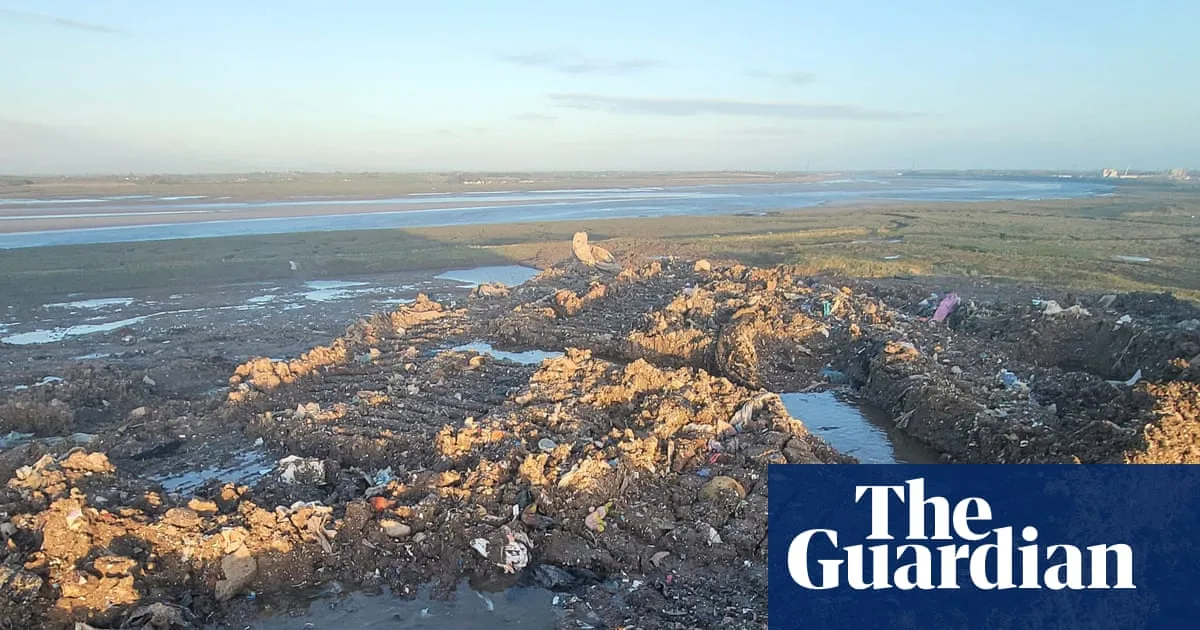
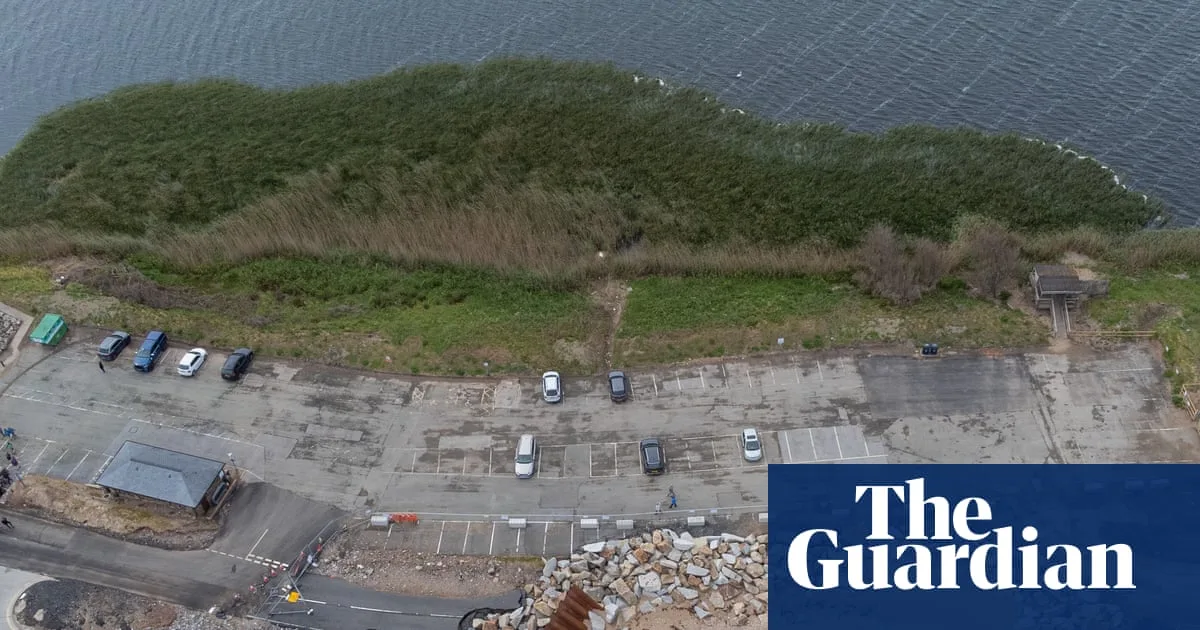
The scale of destruction across Torcross and the surrounding area is still being assessed, but the village is in shock at how 2026 has begun. Three successive southerly storms in January stripped away much of the shingle, a crucial natural defence for the village. A fourth storm then breached the sea barrier, destroying sections of the A379 road. This key route is expected to remain closed until at least 2027, with more bad weather forecasted, compounding the recovery efforts.

Furthermore, the A379 runs along a narrow spit of shingle between the sea and Slapton Ley, a freshwater lake. Slapton Ley is a national nature reserve and a site of special scientific interest, home to species such as Cetti's warblers and over 2,000 types of fungi. The Field Studies Council, which manages the Ley, warns that if the shingle ridge is breached, freshwater species could be severely affected. Among these is the critically endangered plant strapwort, whose only natural UK site is at Slapton, making the situation even more dire.

Underlying Risks and Expert Insights

Rising sea levels increase the likelihood of such breaches and further damage to Torcross. Gerd Masselink, a professor of coastal geomorphology at the University of Plymouth, explains additional factors putting the village at risk. In recent decades, as prevailing storm patterns shifted from east to south, approximately 50,000 cubic metres of shingle have been moved from Torcross to the northern end of Start Bay. This loss has left the village exposed and vulnerable to future storms, highlighting a long-term environmental challenge.

Compared to these broader concerns, the task of repairing a thatched roof seems simple. After driving in a final handful of reed and tightening the wire netting, the salt taste on a licked finger serves as a poignant reminder of the sea's pervasive presence. As Torcross navigates this difficult period, the community's resilience is tested, but efforts like roof repairs symbolise a determination to rebuild and adapt in the face of nature's fury.