Southeastern US Wildfires Intensify, Destroying 50 Homes and Forcing Evacuations
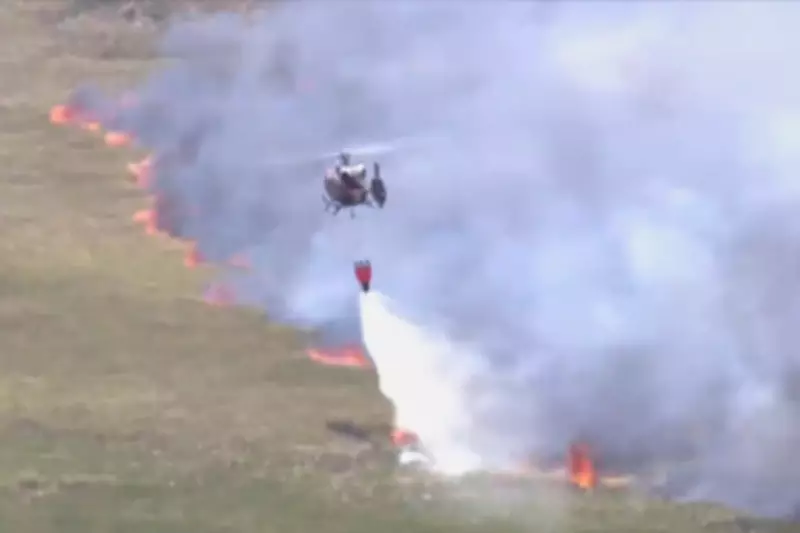
Wildfires burning across the southeastern United States intensified on Wednesday, after destroying nearly 50 homes in Georgia and prompting evacuations and school closures in multiple communities. The blazes, fueled by a prolonged drought, low humidity, and strong winds, have created a critical situation in both Georgia and Florida.
Georgia's Coastal and Inland Fires Expand Rapidly
Some of the largest wildfires are concentrated along Georgia's coast and in areas around Jacksonville, Florida. Georgia's two most significant fires have collectively scorched more than 31 square miles (80 square kilometers), with at least four smaller fires reported across the state. The region affected by the worst fires is experiencing exceptional or extreme drought, the highest levels on the U.S. Drought Monitor scale.
In southeast Georgia, the fast-moving Brantley County fire threatened additional homes on Wednesday, following the destruction of 47 residences the previous day. County Manager Joey Cason reported that the fire expanded roughly sixfold in just half a day on Tuesday. Nearly two dozen fire agencies are assisting in combating the blaze, according to Cason's news conference statement.

Brantley County Sheriff Len Davis urged residents to prepare for potential evacuations, highlighting the unpredictable and rapid shifts in wind direction. The Federal Emergency Management Agency confirmed at least 800 evacuations in the county, with five shelters opened as the fire endangers 300 more homes.
Another major fire originating in Clinch County has also forced evacuations in several communities. Tim Lowrimore, President and CEO of the Georgia Forestry Association, described the situation as "a serious and evolving" crisis.
Florida Faces One of Its Worst Fire Seasons in Decades
In Florida, firefighters are battling 131 wildfires that have burned 34 square miles (88 square kilometers), primarily in the state's northern half. Florida Commissioner of Agriculture Wilton Simpson stated that firefighting equipment is being strategically positioned across the state to ensure resources are closer to active fires.
Simpson emphasized the severity of the season, noting, "Florida has got one of the worst fire seasons in maybe the last 30 or 40 years or it's turning out to be that way. We've been in drought for 18 months now all across the state." The drought has created ideal conditions for wildfires to spread rapidly.
Transportation Disruptions and Health Concerns Arise
The wildfires have caused significant disruptions, including the temporary halt of Amtrak train service in northeast Florida on Monday. Service resumed to normal by Wednesday, according to Amtrak spokeswoman Beth Toll.
Smoke from the fires has drifted to major cities such as Atlanta, Savannah, and Jacksonville, leading to air quality declines. Parts of south Georgia recorded unhealthy air quality levels on Wednesday, potentially affecting all residents' health. The Atlanta-Fulton County Emergency Management Agency warned that smoky conditions could persist throughout the Atlanta area, despite the worst fires burning over 200 miles (322 kilometers) southeast of the city.
Weather Conditions Prolong Fire Risk
The National Weather Service indicated that a dangerous mix of low humidity and breezy winds will keep fire danger elevated. The high fire risk is expected to continue each afternoon through Friday due to persistently dry conditions.
As the situation develops, authorities continue to monitor and respond to the wildfires, prioritizing public safety and resource allocation to mitigate further damage and protect communities at risk.