Moringa 'Miracle Tree' Seeds Filter Microplastics from Drinking Water
Moringa Seeds Filter Microplastics from Drinking Water

Moringa 'Miracle Tree' Seeds Offer Sustainable Solution for Microplastic Water Filtration

Following extensive years of dedicated research, a groundbreaking study has discovered that seeds from the moringa tree, often referred to as the 'miracle tree', provide a highly effective and natural method for filtering microplastics from human drinking water supplies. This innovative approach demonstrates that the seeds are more than equal to conventional chemical alternatives, offering a promising sustainable solution to a growing global health concern.

How Moringa Seeds Work in Water Treatment

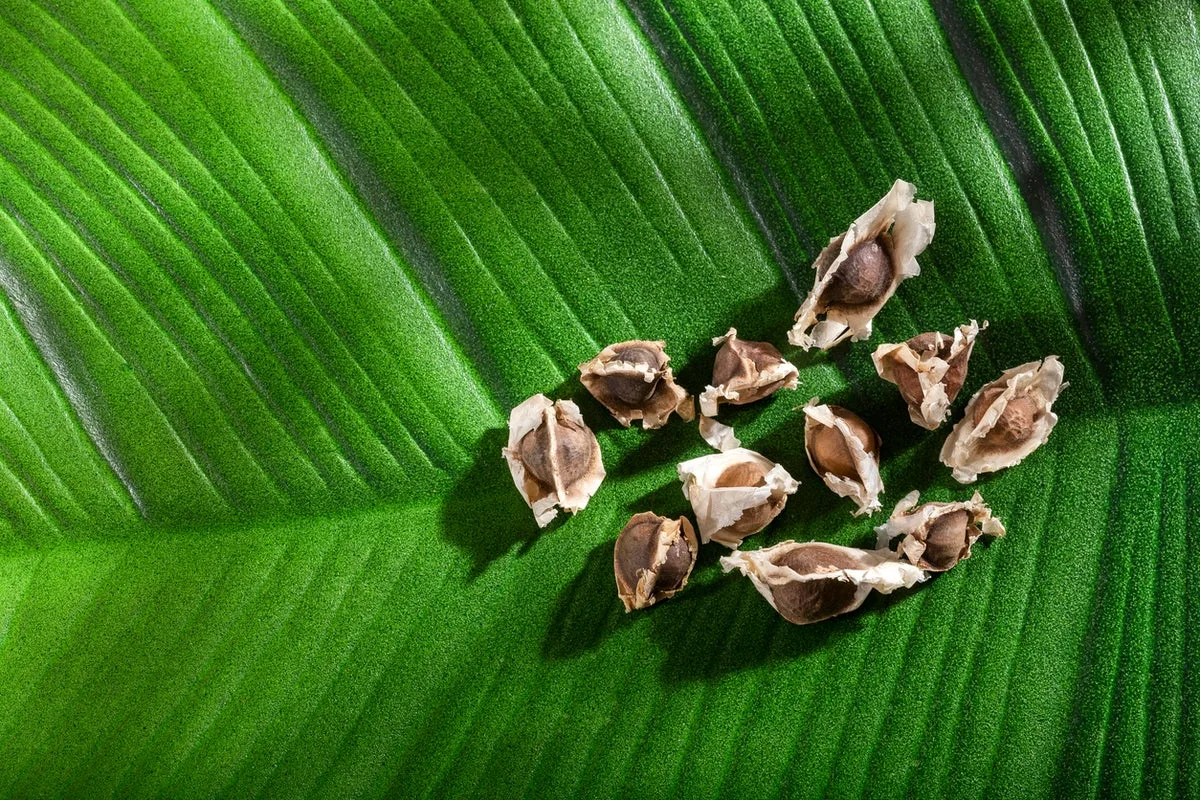
The seeds of the moringa, also known as white acacia, can be processed to create a saline extract. When introduced into water contaminated with microplastics, this extract solidifies the water, thereby trapping the harmful plastic particles. This process, known as coagulation, is essential because pollutants like microplastics carry a negative electrical charge on their surface, causing them to repel each other and the sand used in traditional water treatment filters.

Coagulants, such as the moringa salt extract—which can even be produced at home—and industrial chemicals like aluminum sulfate, neutralise this charge. This action causes the pollutants to clump together, making them easier to filter out through subsequent sand filtration processes.

Wide Pickt banner — collaborative shopping lists app for Telegram, phone mockup with grocery list

Superior Performance Over Chemical Alternatives

Co-author of the study, Gabrielle Batista from São Paulo State University, emphasised the effectiveness of the moringa extract. "We showed that the saline extract from the seeds performs similarly to aluminum sulfate, which is used in treatment plants to coagulate water containing microplastics. In more alkaline waters, it performed even better than the chemical product," Batista stated.

Professor Adriano Gonçalves dos Reis, who coordinated the research, highlighted the increasing regulatory and health concerns associated with traditional coagulants. "There’s increasing regulatory scrutiny and health concerns regarding the use of aluminum- and iron-based coagulants, as they aren’t biodegradable, leave residual toxicity, and pose a risk of disease. For that reason, the search for sustainable alternatives has intensified," he explained.

Rigorous Testing with PVC Microplastics

To rigorously test the efficacy of moringa seed water treatment, the researchers used tap water that was purposefully contaminated with polyvinyl chloride (PVC). PVC and its resulting microplastics are among the most dangerous plastics for human health due to their documented mutagenic and carcinogenic potential. Unfortunately, PVC is already highly prevalent on the surfaces of water bodies and in water treated by traditional processes.

The team also artificially aged the PVC using ultraviolet radiation to mimic natural degradation processes from sunlight and water, thereby reproducing the properties of naturally aged microplastics. The contaminated water was then coagulated using the moringa seeds and filtered in a Jar Test—a device that replicates water treatment processes on a small scale. The results were compared to those from the same tests performed on water treated with aluminum sulfate.

Promising Results and Future Applications

Using scanning electron microscopy (SEM) to count microplastic particles before and after treatment, the team reported "no significant differences" in particle removal between the moringa extract and aluminum sulfate. This indicates that the natural alternative is just as effective, if not more so in certain conditions.

The research group is now advancing their experiments by testing moringa seed extract using river water. Initial findings suggest that the moringa product "has proven quite effective in treating natural water" as well, broadening its potential applications beyond controlled laboratory settings.

Published in the journal ACS Omega, this study underscores the versatility of the moringa tree, which is already extensively used by humans for food through the consumption of its nutritious leaves and seeds. As microplastic contamination continues to pose significant health risks, including potential entry into the brain through breathing, the development of sustainable, natural filtration methods like moringa seeds represents a critical step forward in environmental and public health protection.

Pickt after-article banner — collaborative shopping lists app with family illustration