Researchers at the University of Sydney have developed a roof coating that can cool surfaces up to 6°C below ambient temperature and extract water from the atmosphere. The coating, which can be painted onto existing roofs, reflects 96% of incoming solar radiation and dissipates heat to outer space, a process known as passive radiative cooling.
Lead author Professor Chiara Neto said the paint remains cooler than the surrounding air even during the day. This coolness causes atmospheric vapour to condense on its surface, similar to dew formation. The coating extends the dew-forming period by at least two hours, allowing water collection for eight to ten hours per night.
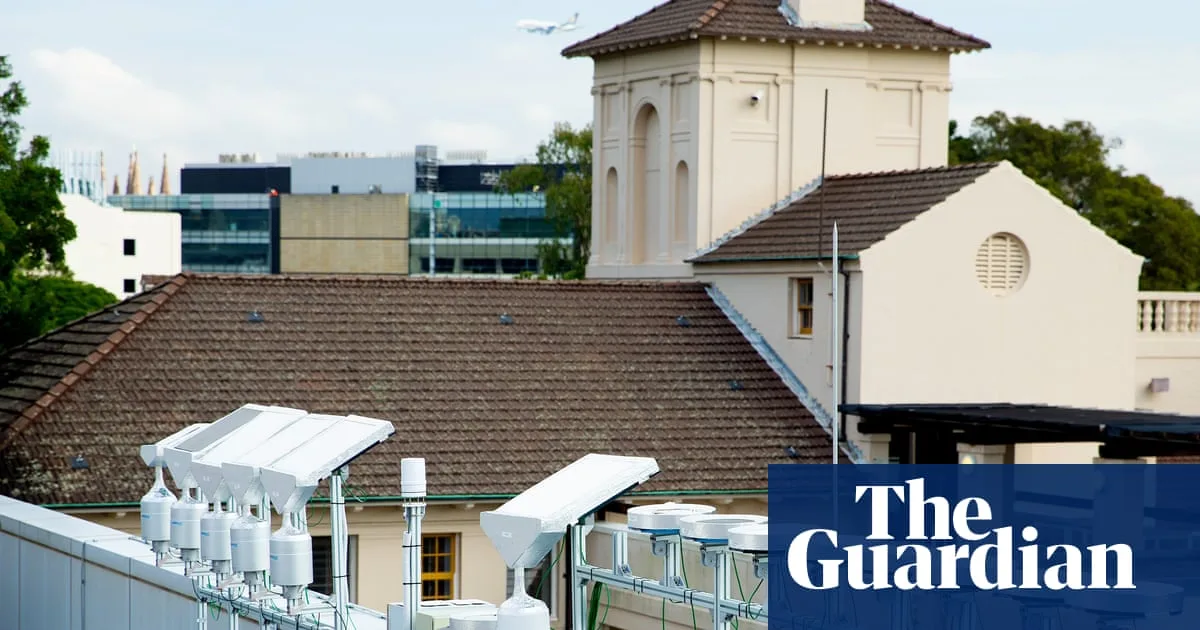
In a six-month trial on the roof of the Sydney Nanoscience Hub, the prototype collected up to 390 millilitres of water per square metre per day on favourable days. For an average Australian roof of about 200 square metres, this could yield up to 70 litres daily. The water could supplement existing supplies, particularly in remote areas with limited groundwater.

The prototype used a perfluorinated material, but the team is now commercialising a water-based paint with similar properties at a cost comparable to standard premium paints. Professor Sebastian Pfautsch of Western Sydney University noted that cool coatings have been in development for a decade but have not yet reached broad commercial release, which he expects before 2030. He highlighted the potential for retrofitting existing buildings but cautioned that water collection would be reduced during droughts due to lower humidity.