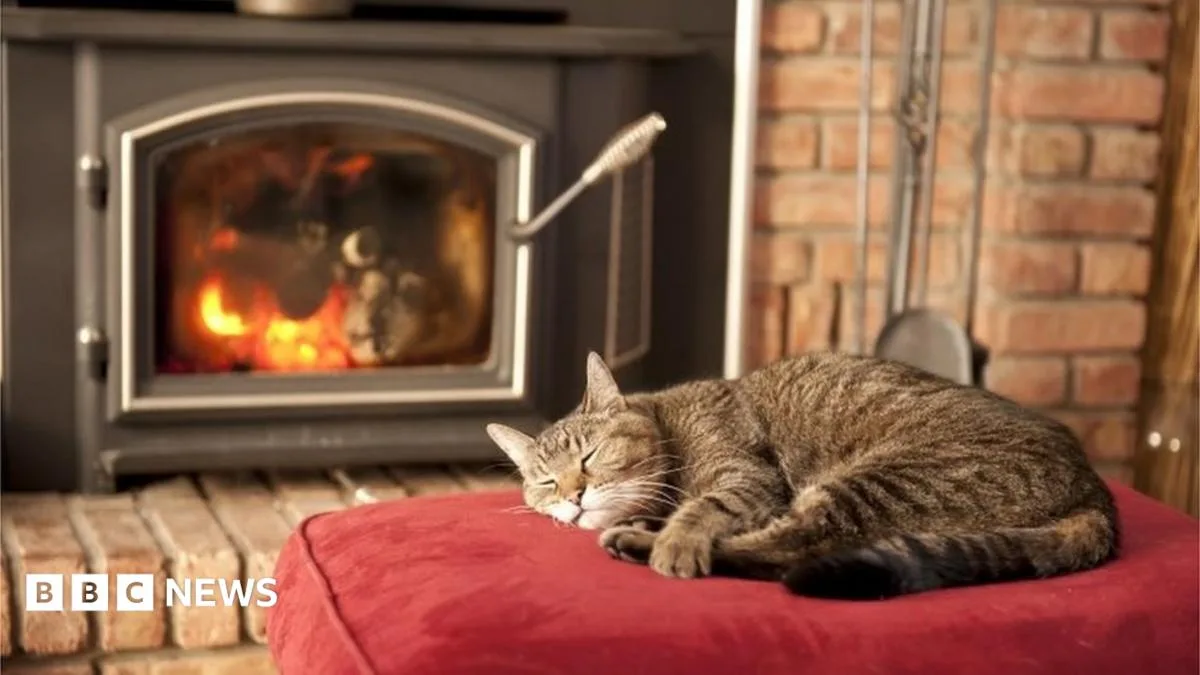
The government has unveiled plans to tackle air pollution, including new restrictions on wood-burning stoves, but critics argue the proposals place too much burden on local councils. The Clean Air Strategy aims to reduce particulate pollution from solid fuels, which account for 38% of such emissions, and to halve the number of people exposed to high levels of fine particles by 2025.
Environment Secretary Michael Gove defended the approach as 'proportionate', stating that a blanket ban on certain fuels would be 'disproportionate' due to varying pollution levels between rural and urban areas. Under the plans, new wood-burning stoves must be cleaner, but existing stoves will not be banned. People will be encouraged to burn dry seasoned wood, which emits fewer particulates than wet wood.
Local councils will gain new powers, such as limiting what fuels can be burned or introducing 'no-burn days'. However, there will be no ban on the sale of wet wood. The strategy also targets ammonia emissions from farms, requiring farmers to invest in new equipment to reduce airborne ammonia from slurry.

Green groups welcomed the ambition but criticised the lack of detail on tackling nitrogen oxide emissions from cars and the reliance on councils. Doug Parr from Greenpeace questioned whether 'hard-pressed environmental health officers' would enforce rules on wet wood sales. The Local Government Association called for more government support to deliver effective local plans.
Ministers estimate the strategy will reduce societal costs of air pollution by £1 billion annually by 2020, rising to £2.5 billion by 2030. The UK is required to publish the strategy under EU rules, but Mr Gove confirmed the policies would continue after Brexit. Labour's Shadow Environment Secretary Sue Hayman accused Mr Gove of being 'the Secretary of State for Consultations' with over 25 consultations since the election.