Baby Long-Necked Dinosaurs Were 'Perfect Snack' for Jurassic Predators
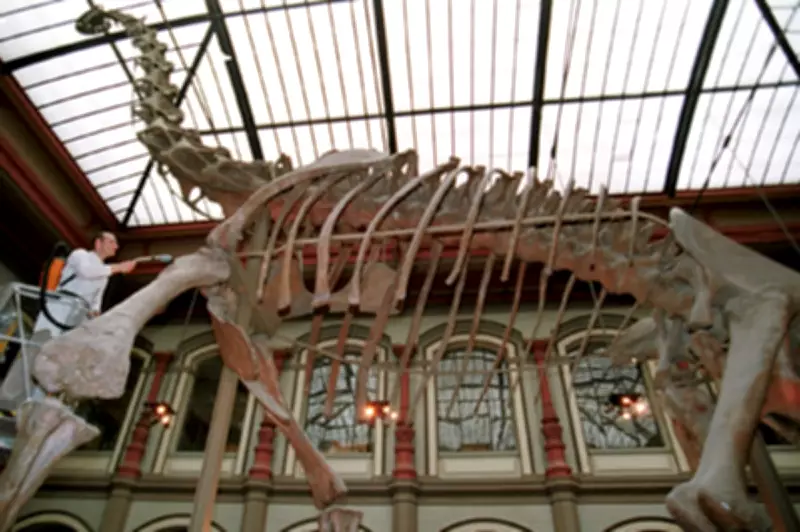
While attacking a healthy adult Brachiosaurus would have been suicidal for any predator, new research reveals that baby sauropods were regular dinner fare for meat-eating dinosaurs 150 million years ago. Scientists have reconstructed the complex food web of a Jurassic Period ecosystem, showing how vulnerable young long-necked giants became prime targets.
Reconstructing the Jurassic Food Web
Researchers from University College London and Anglia Ruskin University examined numerous fossils from the Dry Mesa Dinosaur Quarry in southwestern Colorado to map out who ate what in this ancient ecosystem. The team considered multiple lines of evidence including chemical analysis of tooth enamel, biomechanical models, and fossilized stomach remains to build their comprehensive picture.
The ecosystem was teeming with diverse life, featuring at least six types of sauropods - known for their long necks, small heads, pillar-like legs and lengthy tails - alongside five types of meat-eating dinosaurs. Various other plant-eating dinosaurs, flying reptiles called pterosaurs, smaller reptiles, early mammals, crocodiles, fish and insects completed this rich biological community.

Why Baby Sauropods Were Vulnerable
"These sauropods would have been high in abundance compared to larger adult sauropods and were relatively defenseless and slow-moving, hence easy to catch and a perfect snack," explained paleontologist Cassius Morrison, lead author of the study published in the New Mexico Museum of Natural History and Science Bulletin.
While Brachiosaurus was the ecosystem's most massive sauropod, and Diplodocus the longest at roughly 100 feet, their hatchlings emerged from eggs just a foot wide and needed many years to reach their enormous adult sizes. Evidence suggests these young dinosaurs were left to fend for themselves by their parents.
"Adult sauropods relied on their enormous size, long tails and herd behavior for protection," said ecologist and study co-author Steven Allain. "Unfortunately, this took time, meaning that the smaller individuals hadn't reached that 'too big to mess with' stage yet. They lacked armor, spikes or heavy plates, making them far easier to subdue than dinosaurs like Stegosaurus."
The Formidable Predators of Dry Mesa
The meat-eating dinosaurs in this ecosystem were formidable hunters. The largest were Torvosaurus at around 30 feet long and Allosaurus at approximately 26 feet long. They were joined by Ceratosaurus at about 23 feet, Marshosaurus at 15 feet, and Stokesosaurus at 12 feet.
"Hunting a healthy adult Brachiosaurus - or any large sauropod - would have been an extremely daunting, high-risk task for even the largest theropod in the Dry Mesa ecosystem," Allain emphasized. "One well-placed tail swing or a simple sideways step could seriously injure or kill a predator."
Even if Allosaurus hunted in groups - which remains debated among paleontologists - bringing down a fully grown, healthy sauropod would have required exceptional coordination, stamina and considerable luck. Consequently, predators likely focused on safer options including juveniles, sick or injured adults, individuals stuck in mud, or carcasses from drought or floods.
A Richly Interconnected Ecosystem
The researchers discovered that the reconstructed food web contains over 12,000 unique food chains, indicating a richly interconnected system rather than a simple hierarchy of predators and prey. Sauropods emerged from this analysis as central components of this complex network.
"This deposit was made by a drought, so it's one of the only places where you get everything, from small lizard-like animals to the largest dinosaurs," Morrison noted about the Dry Mesa site.
The environment was dominated by open woodlands featuring plants such as conifers, cycads, ferns and horsetails growing along rivers and shallow ponds that periodically dried out. This unique preservation has provided scientists with an unprecedented window into Jurassic ecology and predator-prey relationships.