Fetch Isn't Enough: Study Reveals Interactive Games Build Stronger Dog Bonds
While fetch is a beloved pastime for many dogs, new research suggests it may not be the best way to forge a deep connection with your pet. Experts from Linköping University have found that simply throwing a ball is insufficient for owners to develop a proper bond with their canine companions.
The Science Behind Social Play
In a comprehensive study, researchers analysed the most effective methods for humans to interact with their dogs to establish a robust social connection. The findings indicate that merely tossing an object for retrieval falls short. Instead, owners must actively participate in games to see meaningful improvements.
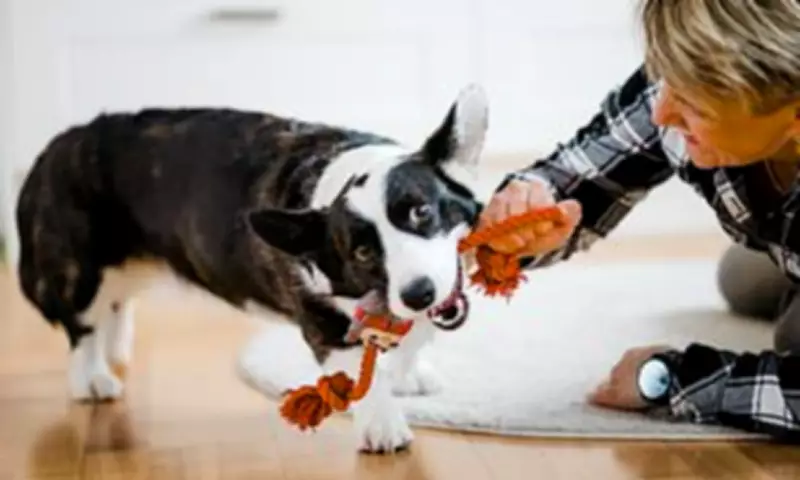
Lina Roth, a senior associate professor at Linköping University, explained: 'Just throwing a ball isn't enough. As we were after the social interaction between dog and human, the games we proposed in the study were for example tug-of-war, rough and tumble, chasing each other, hide-and-seek, peekaboo or teasing the dog a little with your fingers.'

Key Findings from the Research
The study involved nearly 3,000 dog owners and their pets, divided into three groups:
- One group increased their playtime.
- Another focused on extra training.
- A control group maintained their usual routines.
Analysis revealed that owners who played more with their dogs reported a significantly stronger emotional bond. In contrast, the training and control groups showed no such enhancement. Published in Royal Society Open Science, the research notes that while it cannot precisely measure canine feelings, owners in the play group observed their dogs seeming to like them more and initiating play more frequently.
Why Interactive Games Matter
Social play, which requires mutual attention and emotional engagement, is crucial for relationship-building. Object play, like fetch, often involves minimal social exchange and may not offer the same benefits. Dr Roth emphasised: 'It turned out that the play group improved their emotional bond to the dog in just four weeks with a few minutes of extra play a day. This is a great result that you can only dream of.'
The study highlights that dogs' lifelong playfulness, possibly an adaptive trait from domestication, serves to strengthen bonds with humans. This insight is particularly valuable for rescue dogs, who may have missed early socialisation opportunities. Dr Roth added: 'Play can then be a very good way to build a new good relationship even with adult dogs.'
Top Games to Strengthen Your Bond
Based on the research, here are the most effective interactive games:
- Tug-of-war
- Rough and tumble
- Chasing each other
- Hide-and-seek
- Peekaboo
- Teasing with fingers
- First to the toy
After four weeks, tug-of-war emerged as the favourite among participants. These activities foster direct interaction, unlike passive games such as fetch, which can be performed with little social engagement.
Broader Implications and Related Insights
Previous studies corroborate that dogs benefit from playtime with owners, enhancing their well-being. Interestingly, separate research has shown that cats also enjoy fetch, albeit on their own terms, often retrieving specific objects only when they choose. This underscores the importance of tailored, interactive play across different pets.
By prioritising social games, owners can cultivate deeper, more meaningful relationships with their dogs, ensuring a happier and more connected life together.