Scientists Propose Methane Theory for Bermuda Triangle Mystery
For decades, the Bermuda Triangle has captivated public imagination with numerous unexplained disappearances of ships and aircraft in its waters. Now researchers believe they may have uncovered a scientific explanation involving environmental forces and methane gas releases from the ocean floor.
The Methane Hypothesis Explained
Scientist Ronald Knapper has detailed how methane fields beneath the ocean surface could have created hazardous conditions for vessels traversing the region. According to his analysis, methane gas bubbling up from the seabed could disrupt buoyancy and potentially interfere with engine operations, creating sudden and catastrophic conditions for ships and planes.
"Not aliens or portals—but rare combinations of environmental forces," Knapper writes, distancing the theory from more sensational explanations that have circulated for years. "Methane gas releases from the ocean floor, for example, have been proposed as a hazard capable of disrupting buoyancy and engines."

Historical Disappearances and Changing Patterns
The most famous incident occurred on December 5, 1945, when five US Navy training aircraft known as Flight 19 vanished while flying over the Triangle. Pilots reported navigation systems malfunctioning and compasses behaving erratically before all communication was lost. A rescue aircraft dispatched to locate them also disappeared without trace.
Incidents continued to mount until the 1970s, with cargo vessels, fishing boats and private aircraft all reported missing in the region. However, Knapper notes a significant shift occurred in the 1980s when commercial shipping began regularly navigating the area.
Technological Advances and Diminishing Mysteries
The researcher contends that several factors have contributed to the decline in Bermuda Triangle incidents:
- The development of satellite tracking and GPS navigation systems
- Improved radar technology and weather prediction capabilities
- Instant communication and verification systems for distress signals
- Better reporting standards that exposed previous exaggerations
"The mystery flourished in an era without instant verification," Knapper observes, noting that information once spread slowly, allowing speculation to grow unchecked. Today, with every commercial flight tracked and mayday signals transmitted instantly, "mystery has less room to breathe."
Geological Changes and Moving Hazards
Knapper suggests that any methane field that once existed beneath the Triangle may have since dissipated or moved. Ocean floors are constantly shifting, meaning dangerous convergences of environmental factors could have drifted elsewhere over time.
"If an active field once existed beneath the Triangle and later quieted, it could explain a rise and fall in incidents," he writes, acknowledging that while evidence remains debated, similar methane releases are known to occur in other oceanic regions.
Alternative Explanations and Skeptical Views
Beyond the methane theory, researchers point to more conventional explanations for historical incidents:
- Unexpected storms and rogue waves affecting vessels without modern weather forecasting
- Swift squalls creating sudden hazardous conditions
- Human error and navigation challenges in an era of primitive technology
- Statistical anomalies and coincidences that were exaggerated over time
Skeptics argue that improved reporting and tracking technology have simply exposed what was always true—that the Bermuda Triangle was never fundamentally more dangerous than other heavily-trafficked oceanic regions, just poorly understood during an era of limited technological capabilities.
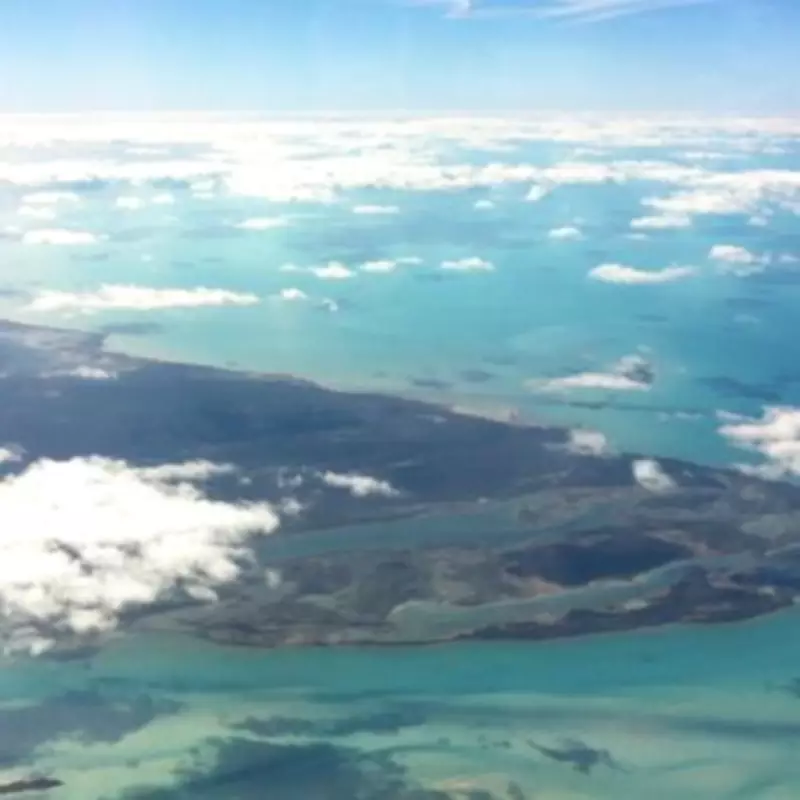
The region, spanning between Miami, Bermuda, and Puerto Rico, continues to be studied by oceanographers and geologists seeking to understand its unique environmental characteristics and whether any residual hazards might still exist beneath its famously mysterious waters.