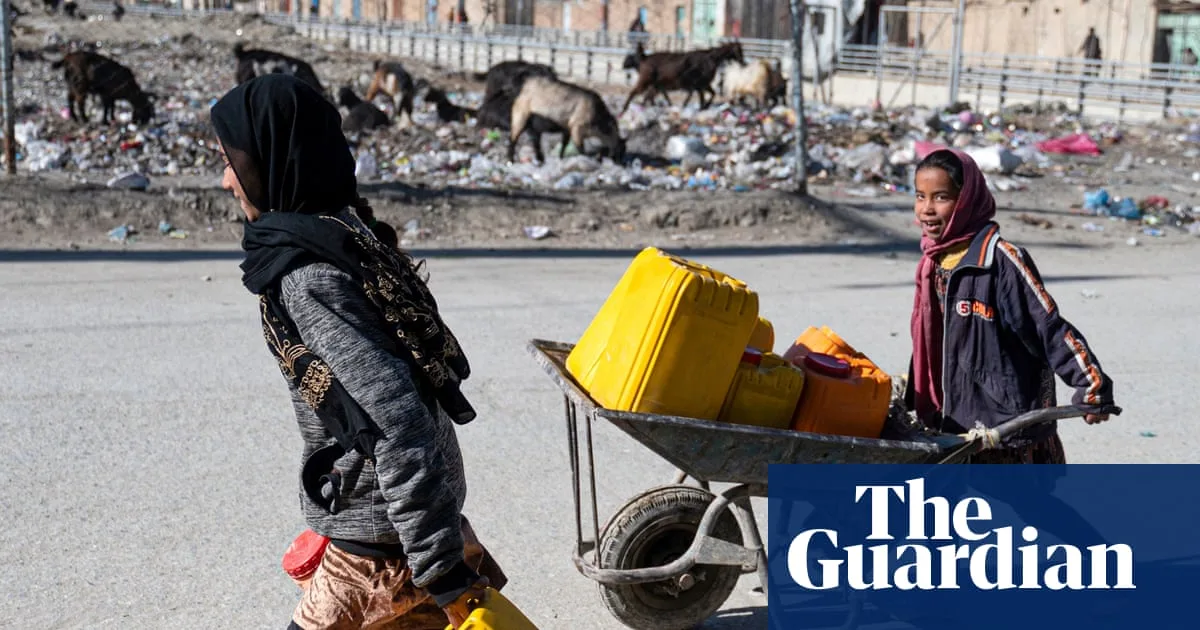
Kabul could become the first modern city to completely run out of water, experts have warned. Water levels in the city's aquifers have dropped by up to 30 metres over the past decade due to rapid urbanisation and climate change, according to a report by the NGO Mercy Corps. Almost half of the city's boreholes, the primary source of drinking water, have dried up, and water extraction exceeds natural recharge by 44 million cubic metres each year. If trends continue, all aquifers could run dry as early as 2030, threatening the city's seven million residents.
Water contamination is another major challenge, with up to 80% of Kabul's groundwater deemed unsafe due to high levels of sewage, salinity and arsenic. Households spend up to 30% of their income on water, and more than two-thirds have incurred water-related debt. Private companies are exacerbating the crisis by digging new wells and selling public groundwater at inflated prices. Residents report that the cost of water from tankers has doubled recently, with fears of further increases.
The crisis has been worsened by a lack of centralised governance and a sevenfold population increase since 2001. International funding has been severely limited: in early 2025, only $8.4 million of the $264 million needed for water and sanitation programming was received, while $3 billion in funding has been frozen since the Taliban's return to power. The US's recent cut of over 80% of USAID funding has compounded the situation.

Mercy Corps Afghanistan country director Dayne Curry called for international attention, warning that failure to address water needs will lead to more migration and hardship. Dr Najibullah Sadid, a senior water researcher, urged immediate action, stating, 'We are caught in a storm from which there will be no return if we don't act immediately.' The Panjshir River pipeline, which could supply two million residents with potable water, awaits budget approval and additional investors for its $170 million cost.