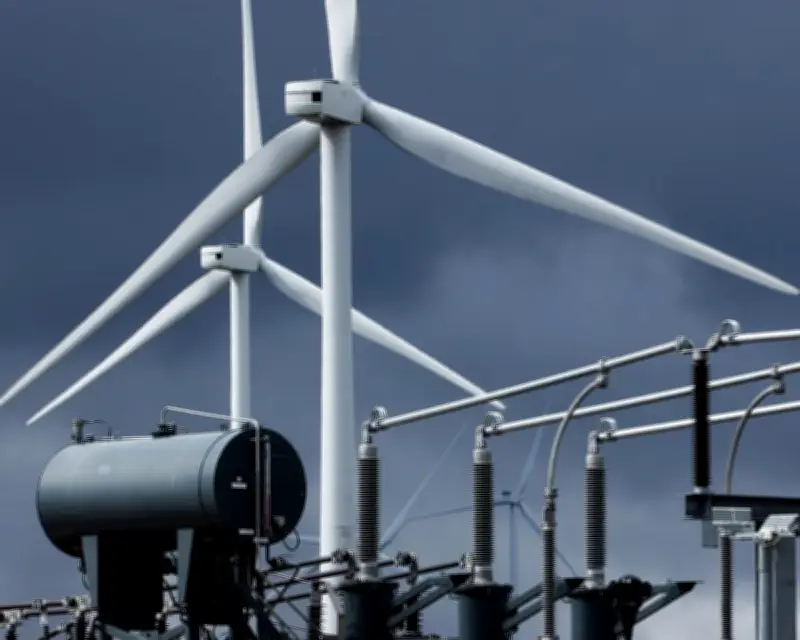
The Labour government's ambitious renewable energy projects are facing significant setbacks, with many only halfway through a long and arduous approval process. This has sparked concerns over the UK's ability to meet its 2030 clean power target.
Delays in Renewable Energy Approvals
According to recent reports, a substantial number of renewable energy initiatives under Labour's leadership are stuck in bureaucratic limbo. The delays are attributed to complex planning regulations, grid connection issues, and supply chain bottlenecks. Industry experts warn that these holdups could jeopardize the country's goal of achieving a fully decarbonized electricity grid by 2030.
Impact on Clean Power Targets
The UK government had set an ambitious target to generate 100% clean electricity by 2030, requiring a rapid expansion of wind, solar, and other renewable sources. However, the current pace of approvals suggests that many projects will not come online in time. Energy analysts estimate that the delays could push back the clean power deadline by several years.

Labour officials have acknowledged the challenges but remain optimistic. A spokesperson stated, "We are committed to accelerating the approval process while ensuring environmental and community standards are met. We are working closely with industry stakeholders to streamline procedures."
Industry Reaction
Renewable energy developers have expressed frustration over the slow progress. Many cite the lack of coordination between government agencies and the need for more resources to handle the influx of applications. Some companies have threatened to move investments abroad if the situation does not improve.
Environmental groups, meanwhile, urge the government to prioritize renewable projects and cut red tape. They argue that the delays not only hinder climate goals but also cost jobs and economic opportunities.
Potential Solutions
To address the issue, the government is considering several measures, including:
- Reforming planning laws to fast-track renewable projects
- Investing in grid infrastructure to connect new capacity
- Providing financial incentives for local communities to support developments
Critics, however, warn that even with these changes, achieving the 2030 target may be unrealistic. They call for a more pragmatic approach that balances ambition with feasibility.
As the clock ticks, the fate of Labour's renewable energy agenda hangs in the balance. The coming months will be crucial in determining whether the UK can stay on track for a cleaner future.