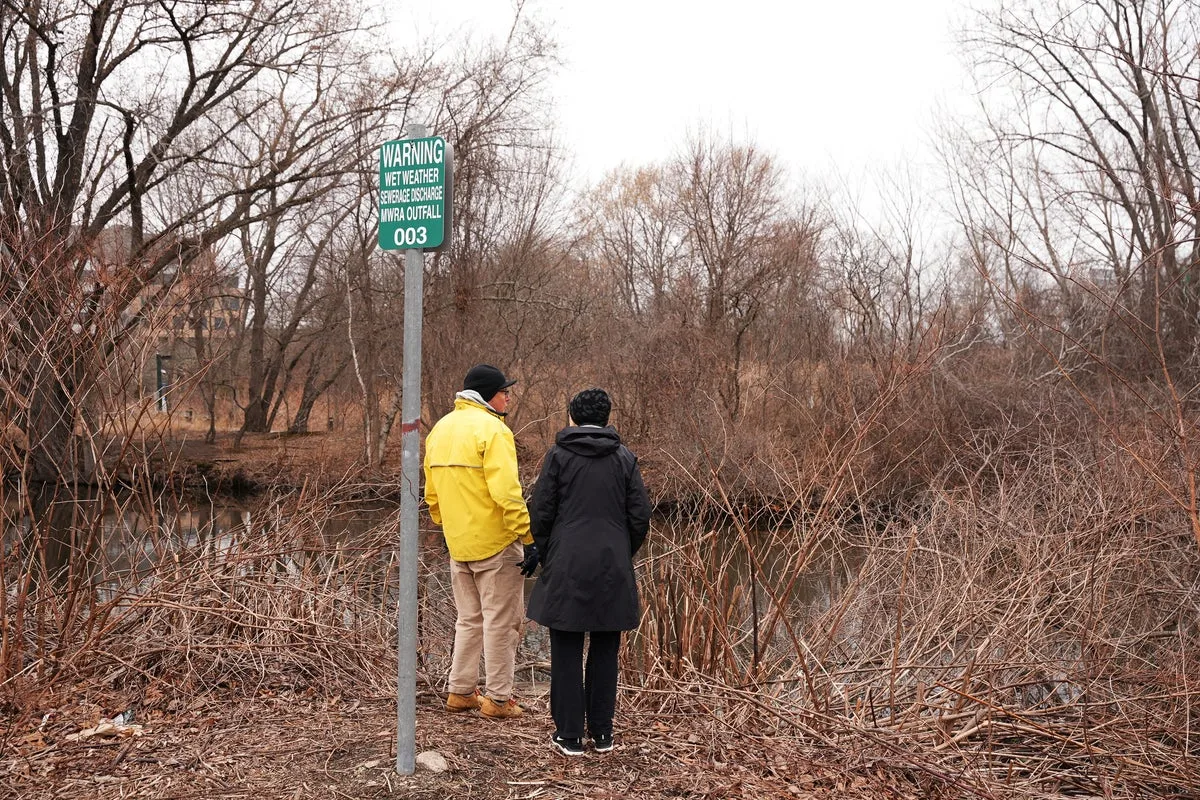
Ann McDonald fell ill after kayaking in Alewife Brook near Boston, attributing her sickness to sewage in the water. Despite public health advice to wait 48 hours after rain, she became sick with diarrhoea after contact with the water.
The brook receives millions of gallons of untreated sewage annually from a combined sewer system, where storm runoff and sewage share pipes. During heavy rain, excess wastewater is released as combined sewer overflows (CSOs) into waterways.
Environmental groups are pushing for full sewer separation, using separate pipes for sewage and stormwater. However, the Massachusetts Water Resources Authority (MWRA) approved a $1.28 billion plan in February that uses storage tanks and partial separation, aiming to eliminate CSOs only during typical rainfall, not intense storms.

Critics, including David Stoff of Save the Alewife Brook, call the plan inadequate, saying it keeps waterways as open sewers. MWRA defends the plan as a responsible investment balancing environmental benefits and costs, noting full separation would be more expensive and disruptive.
Climate change, with more frequent and intense storms, exacerbates the problem, threatening public health and freshwater access. Approximately 700 US communities with combined systems face similar issues.