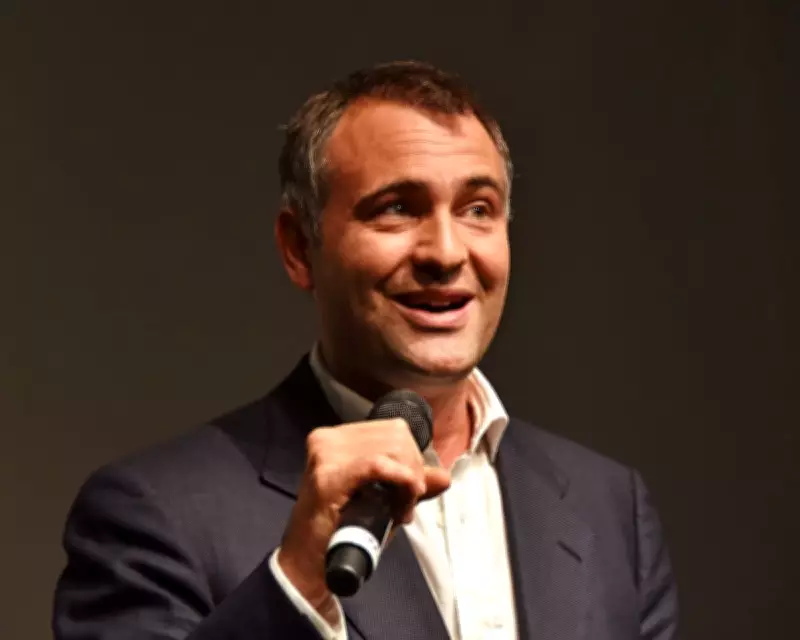
Reform UK has taken a significant step in its efforts to broaden its appeal by enlisting the expertise of prominent environmentalist and financier Ben Goldsmith to help formulate the party's policies on nature and conservation. This strategic move comes as Nigel Farage's party acknowledges challenges in winning over Conservative voters who prioritise environmental issues, despite Reform's substantial gains in recent polling.
Goldsmith's advisory role without party membership
It is understood that while Goldsmith will not be joining Reform UK as a member, he has agreed to provide advisory input on nature policy development. The veteran Conservative environmentalist, who maintains close ties with former Prime Minister Boris Johnson, will collaborate with Reform leader Nigel Farage and policy adviser James Orr on specific areas including fishing regulations and green belt preservation.
Goldsmith brings considerable credibility to this endeavour as a leading figure in the rewilding movement, having actively supported initiatives to reintroduce native species like beavers to British ecosystems and worked extensively on global wildlife conservation projects. His involvement represents a calculated attempt by Reform to address what party figures recognise as a significant barrier to attracting environmentally-conscious Conservative voters.

Polling reveals nature as crucial voter concern
Recent polling data presented to senior figures on the political right indicates that environmental issues represent both an opportunity and a challenge for Reform UK. More than eighty percent of current Reform voters reportedly express deep concern about nature conservation, while Conservative voters who remain hesitant about supporting Farage's party demonstrate the strongest environmental priorities of any voter demographic.
Luke Tryl, UK director of More in Common, highlighted this political dynamic, stating: "The right is united in their priority on nature: across both climate-sceptic Reform voters and the pro-climate Conservative voters they may need to win over, majorities say they would be more likely to vote for a political party that prioritised nature protection." His organisation's research reveals that fifty-seven percent of Reform voters believe the government should prioritise nature, compared to sixty-six percent of Conservative voters.
Strategic positioning on environmental controversies
Reform's nature policy development occurs against a backdrop of contentious environmental debates where the party sees political opportunities. A source close to the discussions emphasised: "This is a massive opportunity for Reform. Labour can't ban bottom trawling, which David Attenborough has been campaigning for and which is an issue that hugely resonates with the public, because the Danish and Dutch fishermen would go mad."
The Labour government's position on marine protection has created an opening for Reform to distinguish itself. Despite calls from conservationists, Labour has refused to implement comprehensive bans on bottom trawling - the destructive practice of dragging heavy nets across seabeds in marine protected areas. The Department for Environment, Food and Rural Affairs has maintained that government policy does not support whole-site bans on bottom-towed fishing gear in these protected zones.
Planning and green belt controversies
Another likely component of Reform's emerging nature platform addresses Labour's planning policies, particularly regarding development on green belt land. Reform figures including Richard Tice have actively campaigned against Energy Secretary Ed Miliband's renewable energy initiatives, arguing that solar farms and onshore wind developments damage countryside landscapes.
Their developing nature policy is expected to include commitments to "protect the countryside" from such developments, despite research indicating that solar farms often support greater biodiversity than intensively farmed agricultural land. This positioning exists alongside Reform's broader scepticism toward net zero targets and climate change policies, creating a complex environmental platform that seeks to appeal to voters concerned about nature preservation while maintaining the party's established positions on climate issues.

Diplomatic context and party positioning
The political landscape for environmental policy has been complicated by post-Brexit trade considerations, with the Labour government finding it difficult to diverge significantly from European Union standards on nature protection as it seeks closer trading relationships with the bloc. This diplomatic reality creates additional space for Reform to propose distinctive environmental policies.
A Reform spokesperson clarified the nature of Goldsmith's involvement, stating: "We are constantly seeking input from people with relevant experience and expertise across different areas of public policy. That does not mean we are outsourcing policymaking to them." This careful framing reflects the delicate balance Reform must strike in incorporating environmental expertise while maintaining its established policy positions.
Farage's recent activities at the exclusive Mayfair club 5 Hertford Street, owned by Robin Birley (half-brother to Ben and Zac Goldsmith), underscore Reform's ongoing efforts to court establishment Conservative figures. While both Goldsmith brothers have thus far declined to join the party - with Zac remaining loyal to the Conservatives and Ben preferring to maintain impartiality as a nature advocate - Ben Goldsmith's advisory role represents a significant connection between Reform and influential environmental voices on the political right.