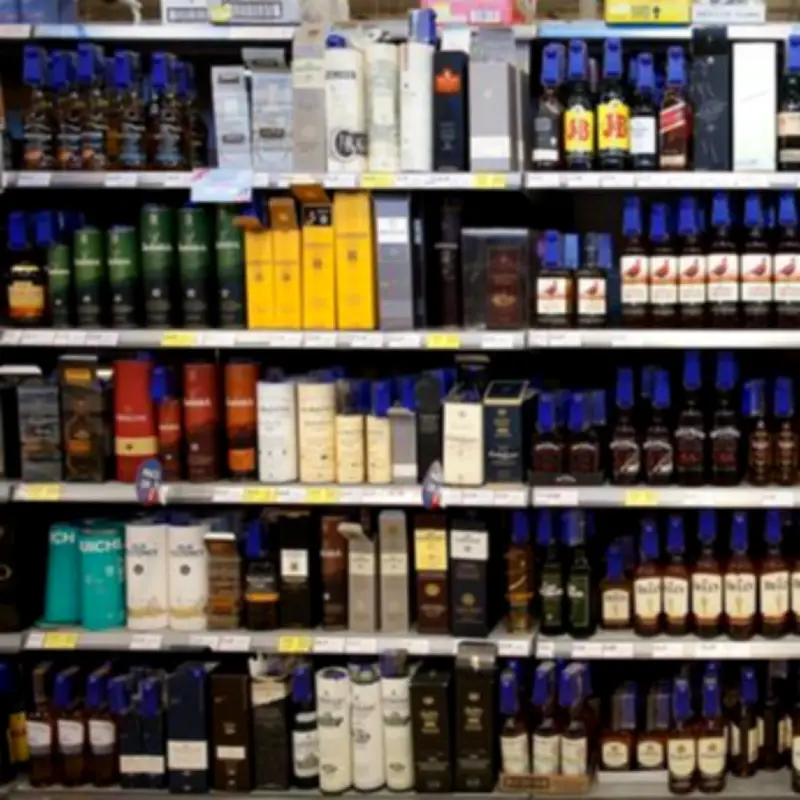
The UK Government has issued an update regarding possible new regulations for online alcohol sales, which could affect shoppers at major supermarkets including Tesco, Sainsbury's, Morrisons, Aldi, Asda, Lidl, and Waitrose. Concerns have been raised about the ease with which alcohol can be purchased through these platforms, potentially leading to harm, particularly among young people.
Home Office Response and Parliamentary Inquiry
In a recent parliamentary written question, Liberal Democrat Helen Maguire asked the Secretary of State for the Home Department, Shabana Mahmood, about the potential merits of implementing alcohol blocks on delivery service apps and supermarket accounts. Responding on behalf of the Home Office, Sarah Jones, Minister of State for Policing and Crime, acknowledged the shift in consumer purchasing habits and indicated that amendments are under consideration.
Jones stated: "The Licensing Act 2003 regulates the sale and supply of alcohol. The Government recognises that consumer purchasing habits have evolved in recent years, particularly with a notable growth in alcohol sales made via online platforms and rapid delivery services. The Department for Health and Social Care and the Home Office are looking at how current licensing rules apply to these services and monitoring emerging evidence on the impact they may be having on people's health. I am clear that we will act where necessary to protect public safety."

She further announced that a roundtable meeting will be held jointly with the Minister for Public Health and Prevention to consider solutions with healthcare professionals and experts.
Underage Access to Alcohol Online
A report by Alcohol Concern Cymru highlighted that 15% of 14 to 17-year-olds surveyed had purchased alcoholic drinks online, with most describing it as "easy" and an effective way to bypass age verification checks. South Wales Police conducted an exercise where 15-year-olds successfully bought alcohol from major supermarket websites simply by agreeing to terms and conditions and using a debit card and email address. In 44% of test cases, alcohol was delivered directly to the underage purchasers without any proof of age being requested, despite supermarket policies stating they will not deliver to those under 18.
Calls for Improved Age Verification
An Alcohol Concern spokesperson commented: "The process of purchasing alcohol online is unique in that the sale is made in private and with relative anonymity, away from traditional retail premises. Young people have told us that these sites offer less robust age verification practices and provide a quick and easy way to get hold of alcohol, especially for younger teenagers who would likely have greater difficulty in buying alcohol in person."
Baroness Finlay of Llandaff, former president of the Royal Society of Medicine, expressed concern, stating: "It's clearly worrying that children and young people may be able to access alcohol in this way. Alcohol retailers need to improve their procedures to ensure that alcohol is sold and delivered to adults only."
Alcohol Concern urged supermarkets and other off-trade retailers to examine their age verification procedures, ensure delivery personnel receive thorough training, and support wider test purchasing by police and trading standards authorities. A Home Office spokesman previously stated: "We all need to help tackle underage drinking. The Government will not tolerate underage selling. It is the responsibility of retailers to ensure that those being sold alcohol online are old enough. The law has been toughened so those who persistently sell alcohol to children now face a £20,000 fine."