As spring arrives in full force, gardeners are being encouraged to save old tins of sweetcorn rather than discarding them, as this simple kitchen leftover can provide vital support for local wildlife. The sound of birds chirping outside your window is a hallmark of the season, and there is an effortless, cost-free method to attract them to your garden.
Why Birds Need Extra Help in Spring
Feeding birds is a considerate act during springtime, as they require substantially more food to nourish their young. Natural resources like seeds and insects are only just beginning to re-emerge after the winter months, making this period particularly challenging.
Birds increasingly rely on birdfeeders at this time because they are hesitant to venture too far from their nests. The threat of predators such as foxes, cats, or prey birds like magpies targeting their chicks keeps them close to home. However, constantly refilling birdfeeders can become expensive.

The Sweetcorn Solution
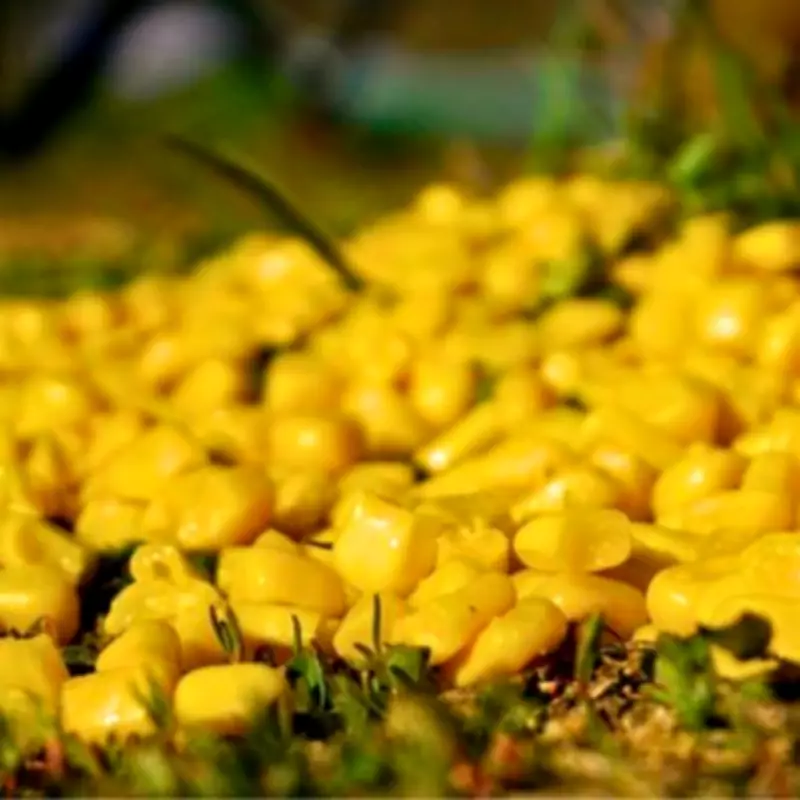
Clare from Really Wild Bird Food has revealed that one food birds absolutely adore is sweetcorn. She explained, "Many raw vegetables are indigestible to birds, but peas and sweetcorn are fine, and so is leftover mashed potato!"
Birds often struggle with vegetable scraps, which can be too tough for them to consume and pose a choking hazard, such as with carrots. In contrast, sweetcorn is an excellent option because it is soft and packed with carbohydrates, proteins, and vitamins that deliver quick energy bursts.
It is also high in water content, helping to keep birds hydrated. This becomes increasingly vital as we move into May and temperatures rise, ensuring they stay healthy and active.
How to Feed Birds Safely
Sweetcorn offers an affordable and practical means of feeding various bird species in your garden. It can be scattered across a lawn or placed on a bird table to attract visitors like robins, blackbirds, sparrows, and even starlings.
Peas and mashed potatoes are also suitable alternatives, but it is crucial to ensure that nothing has been seasoned with salt. Unlike humans, birds cannot process salt properly, and even tiny amounts can be dangerous or deadly.
Dairy products are equally off the menu, so avoid offering buttered corn, peas, or mash, as these can cause serious harm to their digestive systems. Feeding birds with kitchen leftovers is a budget-friendly way to support local wildlife, but always ensure the food is plain, unseasoned, and soft enough for them to eat safely.
By adopting this simple practice, you can enjoy a garden teeming with feathered friends while contributing to their well-being during a critical time of year.