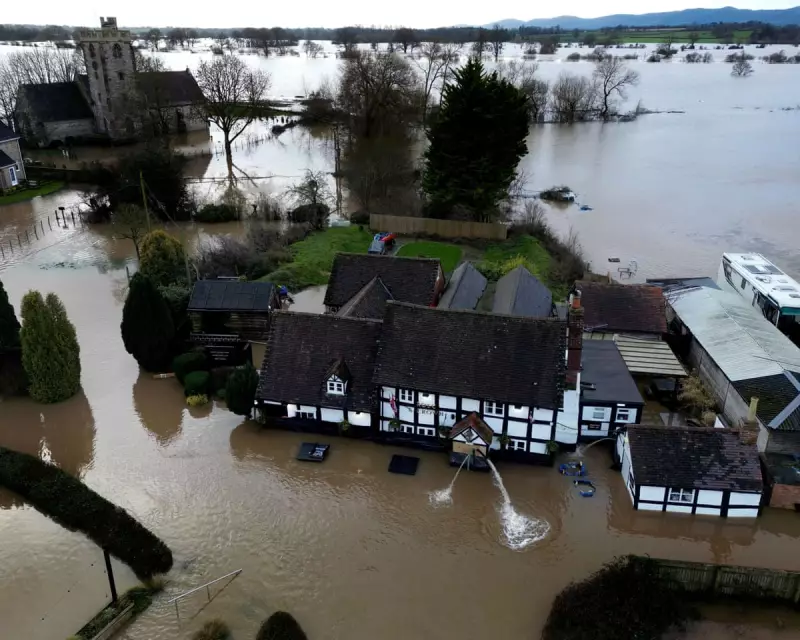
Britain is turning to an innovative natural solution to combat its growing flooding crisis – transforming urban landscapes into giant sponges that can absorb excess rainwater before it overwhelms communities.
The Soaking Reality of Britain's Flood Problem
With climate change intensifying rainfall patterns and urban sprawl creating more impermeable surfaces, traditional drainage systems are increasingly failing to cope. The result has been devastating floods affecting thousands of homes and businesses annually, with economic costs running into billions.
How Sponge City Technology Works
The concept is deceptively simple: instead of rushing rainwater away through pipes and drains, cities are redesigned to absorb and store water naturally. This involves:
- Permeable pavements that allow water to seep through rather than run off
- Green roofs and rain gardens that capture rainfall
- Restored wetlands and natural water storage areas
- Strategic parks designed to temporarily flood during heavy rainfall
Britain's Sponge Transformation
Several UK cities are already pioneering this approach, with projects ranging from sustainable drainage systems in new developments to the retrofitting of existing urban areas. The technology represents a fundamental shift from fighting water to working with it.
Multiple Benefits Beyond Flood Prevention
Beyond reducing flood risks, sponge cities deliver additional advantages:
- Improved air quality through increased vegetation
- Urban cooling during heatwaves
- Enhanced biodiversity in city centres
- Beautiful public spaces that serve both recreational and functional purposes
As climate change continues to test Britain's resilience, the sponge city approach offers a sustainable path forward – turning urban landscapes from flood victims into active participants in water management.