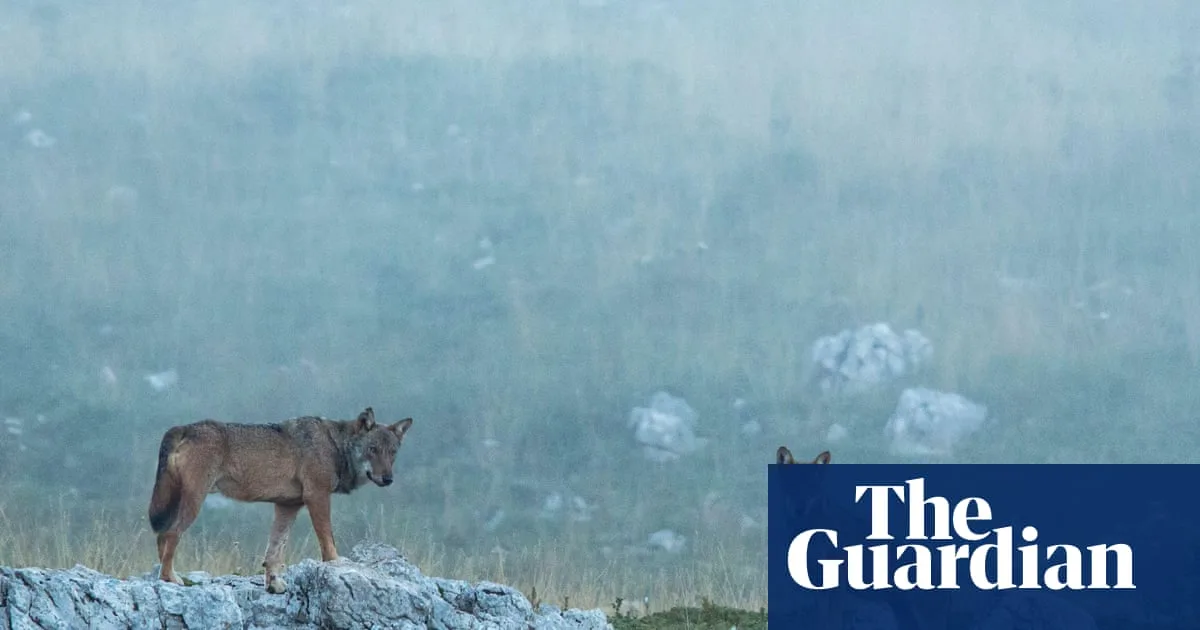
The carcasses of 18 wolves have been discovered in Italy's Abruzzo, Lazio and Molise national park within a week, in what conservationists are calling the most serious crimes against wildlife in the country in a decade. Authorities confirmed that eight wolves were found dead in recent days, adding to ten carcasses found the previous week. Three dead foxes and a buzzard were also discovered.
Park authorities expressed despair and disbelief, stating: 'The disappointment blends with despair … It’s a pain that ranges from profound suffering to disbelief.' They emphasised that illegality and crime cannot be justified, regardless of motivation. A criminal investigation is under way after suspected poisoned bait was found near five dead wolves in the Alfedena area.
Tests are being conducted to determine the cause of death, but the simultaneous deaths of multiple species strongly suggest deliberate poisoning. The situation is particularly concerning due to the presence of the critically endangered marsican bear in the park. Prosecutor Luciano D’Angelo told Corriere della Sera: 'Initial investigations tell us it was poison, but we’ll know later exactly what it was.'

WWF Italy described the killings as 'the most serious crimes against wildlife of the last 10 years' and 'an unacceptable criminal trend in a civilised country'. The organisation partly blames the deaths on the EU's decision last year to downgrade the wolf's status from 'strictly protected' to 'protected', a move aimed at allowing easier culling following pressure from farmers. European Commission president Ursula von der Leyen supported the change after a wolf killed her family pony, Dolly.
There are an estimated 20,000 wild wolves across EU countries, with the majority in Italy. Wolves were once classified as 'harmful pests' and hunting was encouraged, but a 1970s law gave them official protection after their population nearly became extinct.