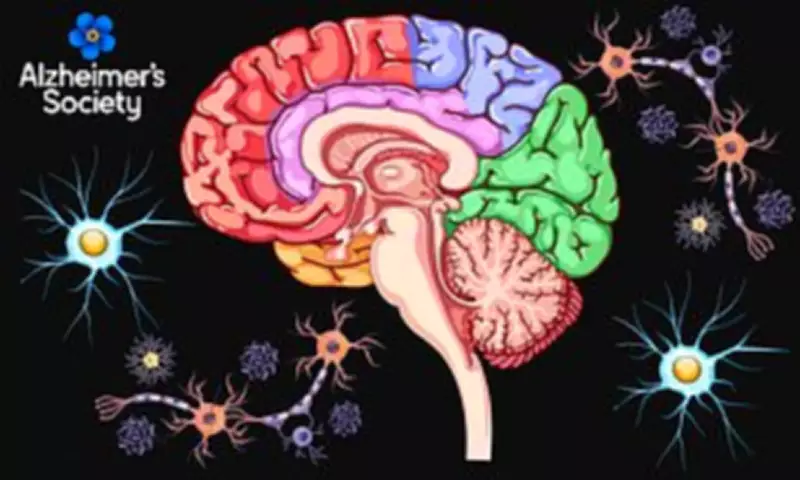
A comprehensive new guide has shed light on the devastating impact of dementia on the brain, detailing the progressive destruction of neural tissue and offering crucial insights into early symptoms and warning signs. Dementia, a term encompassing various neurodegenerative disorders such as Alzheimer's disease, vascular dementia, and Lewy body dementia, is characterised by the gradual loss of cognitive function, memory, and the ability to perform everyday tasks.
How Dementia Destroys the Brain
The guide explains that dementia attacks the brain by causing abnormal protein deposits, such as amyloid plaques and tau tangles in Alzheimer's, which disrupt communication between neurons. Over time, these changes lead to the death of brain cells, resulting in shrinkage of brain tissue. This process typically begins in areas crucial for memory, such as the hippocampus, before spreading to other regions controlling language, reasoning, and social behaviour.
Key Symptoms to Watch For
Early detection is vital for managing dementia, and the guide highlights several key symptoms:

- Memory Loss: Forgetting recent events, important dates, or repeatedly asking for the same information.
- Difficulty with Familiar Tasks: Struggling to complete routine activities like cooking, driving, or managing finances.
- Language Problems: Trouble finding the right words, following conversations, or understanding instructions.
- Disorientation: Getting lost in familiar places or losing track of time and dates.
- Poor Judgment: Making uncharacteristic decisions, such as giving away large sums of money or neglecting personal hygiene.
- Changes in Mood or Personality: Experiencing rapid mood swings, increased anxiety, confusion, or withdrawal from social activities.
Warning Signs That Require Immediate Attention
While some memory lapses are normal with ageing, certain warning signs demand prompt medical evaluation:
- Progressive and Persistent Memory Loss that disrupts daily life.
- Inability to Plan or Solve Problems, such as following a recipe or paying bills.
- Visual and Spatial Difficulties, like trouble reading, judging distance, or recognising faces.
- Misplacing Items in Unusual Places, such as putting keys in the fridge or shoes in the oven.
- Withdrawal from Work or Social Activities due to cognitive challenges.
The guide emphasizes that not all memory problems indicate dementia, but early intervention can slow progression and improve quality of life. It advises consulting a healthcare professional for a thorough assessment if multiple symptoms are present. With no cure currently available, research continues into treatments that could modify the disease course, but lifestyle factors such as diet, exercise, and mental stimulation may help reduce risk.