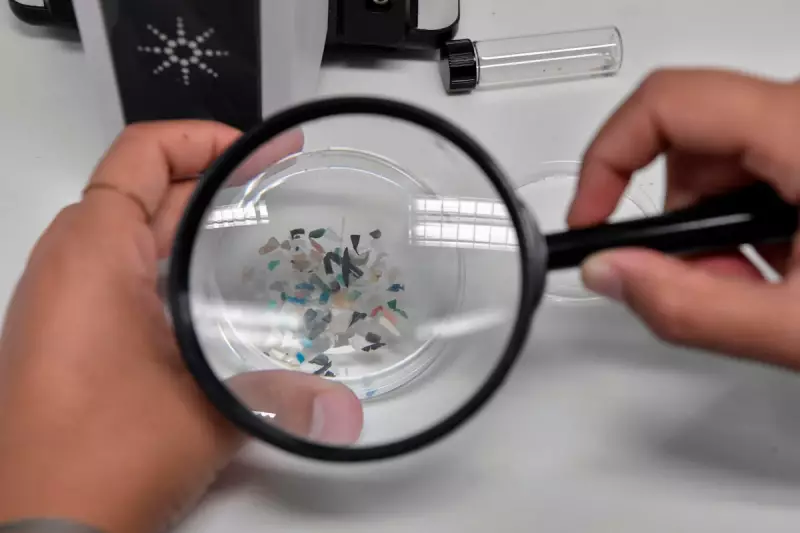
Scientists have uncovered some of the most compelling evidence to date that tiny plastic particles can directly cause heart disease, with a startling discovery that men appear to be significantly more vulnerable than women.
The 'Strongest Evidence' of Direct Harm
A groundbreaking new study, published in the journal Environment International, suggests microplastics may actively burrow into arteries and trigger cardiovascular damage, rather than merely being present as bystanders. The research was led by Professor Changcheng Zhou, a biomedical sciences expert at the University of California, Riverside.
"Our study provides some of the strongest evidence thus far that microplastics may directly contribute to cardiovascular disease, not just correlate with it," Professor Zhou stated. He highlighted a surprising sex-specific effect, noting the particles harmed male subjects but not females, a finding that could unlock new understandings of protective biological mechanisms.

Stark Differences Between Male and Female Subjects
The research team investigated the impact of microplastics on mice genetically predisposed to atherosclerosis, the build-up of fatty plaques in arteries. Over a nine-week period, the mice were fed doses of microplastics equivalent to levels humans might ingest through contaminated food and water—approximately 10mg per kilogram of body weight.
While the diet did not cause weight gain or elevate cholesterol, it led to significant artery damage. The results were dramatic and unequal: microplastic exposure accelerated atherosclerosis in male mice, increasing plaque build-up by 63% in the section of the main artery connected to the heart. In another key artery, plaque formation skyrocketed by over seven times.
In stark contrast, female mice exposed to the identical conditions did not suffer a significant spike in plaque formation.
How Microplastics Attack Blood Vessels
Delving into the mechanism, scientists found the plastic particles interfered with arterial function, disrupting the behaviour and balance of critical cell types. The most affected were endothelial cells, which form the crucial inner lining of all blood vessels.
"Since endothelial cells are the first to encounter circulating microplastics, their dysfunction can initiate inflammation and plaque formation," explained Dr Zhou. This breakdown at the cellular level is a key driver of cardiovascular disease.
The pressing question now is why male biology seems more susceptible. Researchers are urgently investigating whether this sex difference translates to humans, a concern given the ubiquity of microplastic pollution.
"It’s nearly impossible to avoid microplastics completely," warned Dr Zhou, emphasising the growing urgency of understanding health impacts as global pollution rises. With no current method to remove these particles from the body, he stressed that minimising exposure and maintaining cardiovascular health through diet, exercise, and managing risk factors remains essential.