NHS Issues Urgent Plea for Heart Valve Donors
The NHS has launched an urgent appeal for heart valve donors following a significant drop in donations that is threatening life-saving surgeries across the country. Official figures reveal that the health service could not supply approximately one in five (20%) of heart valve requests from hospitals last year, creating a critical shortage affecting both children and adults.
Alarming Decline in Donations
According to new data from NHS Blood and Transplant (NHSBT), the number of hearts donated to heart valve banks has plummeted dramatically in recent years. While 600 hearts were donated in 2021, this figure dropped to just 368 in 2024, representing a concerning trend that officials confirm is continuing into the current year.
Jackie Brander, head of operations for tissue donation at NHSBT, explained the severity of the situation: "Heart valves can be especially important for babies born with genetic heart defects. But the reality is we are just not getting enough donations to meet demand."
Why Has Donation Decreased?
Several factors are contributing to the decline in heart valve availability. The overall landscape for organ and tissue donation has worsened, with 100 fewer organ donors recorded last year alone. Additionally, since the pandemic, more people are dying at home or in community settings where heart valve donation is not medically possible.
Heart valve replacements become necessary when a person's heart valve becomes damaged, diseased or defective. The procedures are crucial for adults whose valves narrow or leak over time, and for children born with congenital heart disorders who require immediate intervention.
A Life Transformed by Donation
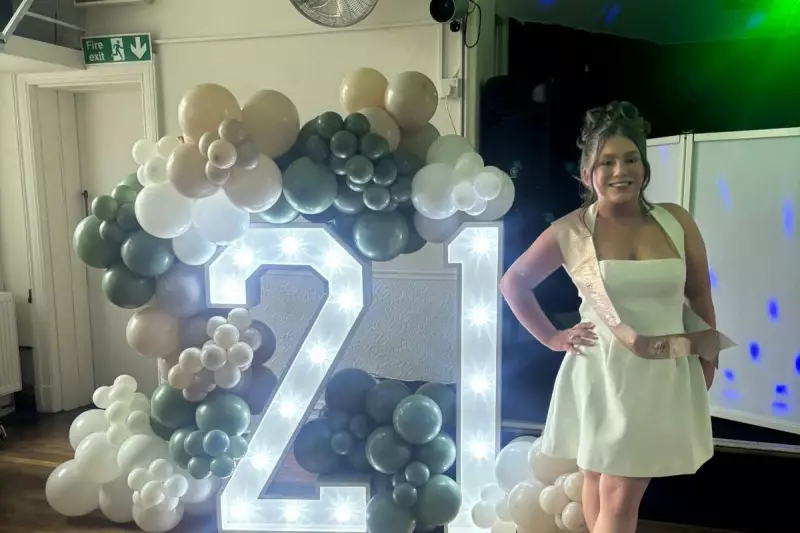
The human impact of this shortage is illustrated by 21-year-old Poppy Wilson from Stockport, who received a heart valve replacement in June 2025 at Liverpool Heart and Chest Hospital. Born with congenital heart disease, Miss Wilson needed surgery when her aortic valve became both leaky and narrow.
"It was a gradual deterioration. I was increasingly symptomatic and it became difficult to climb stairs," she recalled. "Without surgery, I would have gone into heart failure or suffered a cardiac arrest."
Following her successful operation, Miss Wilson described the profound difference it made: "I went for lunch with my mum where we had to walk up a steep hill. I began to cry because I could not believe I did not feel chest pain, palpitations or breathlessness. I'd never felt like that before."
She expressed overwhelming gratitude to her donor's family, emphasising how the donation enabled her to meet her newborn nephew and continue her passion for ballroom and Latin dancing.
Professor Attilio Lotto, a congenital cardiac surgeon from Liverpool, stressed the importance of raising awareness: "Every donated heart valve represents not just a gift, but a second chance at life. While many people are familiar with the idea of donating organs such as kidneys, liver, or lungs, fewer realise that donating heart valves and tissues after death can also transform lives."
NHSBT is now calling on people to support tissue donation through the NHS Organ Donor Register and to consider heart valve donation if a loved one dies in circumstances where donation is possible.