Alaska's ongoing battle against a relentless overdose crisis, driven by synthetic opioids like fentanyl, faces a potentially catastrophic setback from looming federal budget cuts. Law enforcement and public health experts are warning that proposed reductions to key programmes could reverse hard-won gains and lead to more deaths.
HIDTA Funding: A Lifeline Under Threat
At the heart of the concern is a proposed 35% cut – amounting to over $100 million – to Alaska's funding from the High Intensity Drug Trafficking Area (HIDTA) programme. This federal initiative, established in 1988, provides critical resources to local and tribal law enforcement in regions identified as major drug trafficking corridors. Alaska was designated a HIDTA region in 2018.
Anchorage Police Chief Sean Case stated that these resources have been transformative. "Over the last two years, we've had the highest success rate of drug interdiction than we've ever had before. And that's all our HIDTA teams," he explained. The funding enables coordination between agencies across the vast state and even supports international investigations into drug cartels, moving beyond just arresting low-level offenders.

Ed Mercer, director of Alaska's HIDTA initiative, emphasised the financial reality: "It costs a lot of money to investigate drug cases. We are very fortunate for our state, that HIDTA is here." Chief Case warned that the cuts could be "devastating," particularly for remote villages where even a small amount of drugs can have an outsized impact.
The Unique Challenges of Policing the Last Frontier
Alaska's fight is uniquely difficult. Cornelius Sims, commander of the Alaska State Troopers' drug unit, has only 27 officers dedicated to drug interdiction for an area more than twice the size of Texas. Some regions have no police coverage at all.
The state's geography and lack of a central highway system make interdiction an "uphill battle," according to Chief Case. Most illicit drugs, especially compact powders like fentanyl, enter via mail, with Anchorage as the primary port of entry. The proposed cuts threaten to increase the flow of these lethal substances.
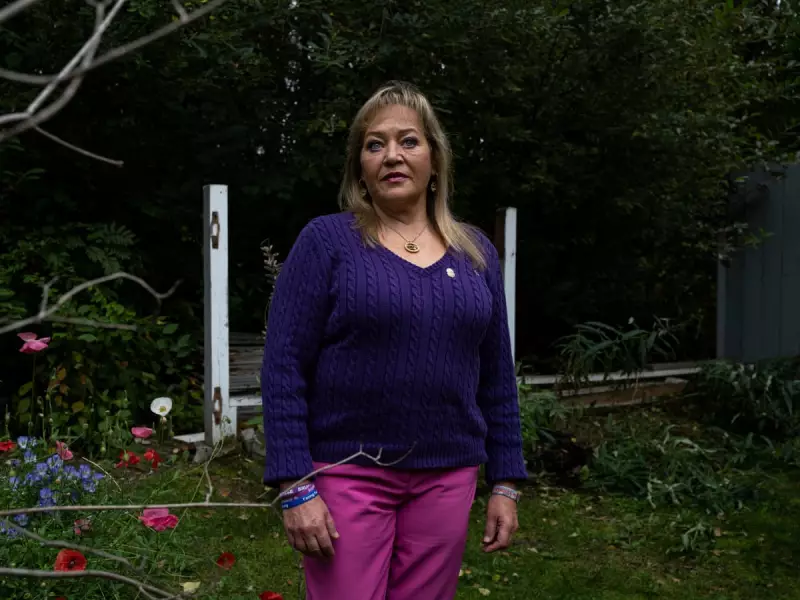
The human cost is embodied by advocates like Sandy Snodgrass, who lost her son Bruce to fentanyl poisoning in 2021. She has since become an outspoken campaigner for overdose prevention, using HIDTA-funded resources for awareness work. "It's just going to take a lot of work from law enforcement," she said, arguing Alaska needs more support, not less.
Medicaid Changes: Risking Treatment Access
Parallel threats come from changes to Medicaid, which provides healthcare to over 211,000 Alaskans – more than a quarter of the state's population. The so-called "big, beautiful bill," which projects cutting Medicaid by $911bn over a decade, introduces work requirements of 80 hours per month for recipients.
Richard Frank, a senior fellow at the Brookings Institution who helped shape opioid policy under President Obama, warned this could strip many people with substance use disorders of treatment access. "The work requirements seem likely to knock off a lot of people with substance use problems off the rolls," he said. While exemptions exist for addiction, Frank noted "hassle factors" in proving eligibility often disproportionately affect this vulnerable group.
The bill passed partly due to a tie-breaking vote from Alaska Senator Lisa Murkowski, who stated she "tried to take care of Alaska's interests." Senator Dan Sullivan also voted in favour. The bill creates a $50bn Rural Health Transformation Fund, but Frank argues this is a fraction of the lost Medicaid spending and will largely prop up rural hospitals, not specifically addiction services.
Threatening a Fragile Recovery Ecosystem
These fiscal changes endanger Alaska's expanding treatment infrastructure. Facilities like the Anchorage Recovery Centre and True North Recovery are building comprehensive "recovery campuses" with detox, inpatient beds, and supportive housing, largely funded through Medicaid.

Karl Soderstrom, founder and CEO of True North Recovery, revealed that 90% of its revenue comes from Medicaid. He is proactively creating internal workforce development programmes to help clients meet potential work requirements, but acknowledges there will be "more people who want jobs than available positions."
Despite the bleak outlook, advocates persist. Sandy Snodgrass recently saw Bruce's Law – legislation she authored and named for her son – signed into law as part of a larger bill. It aims to increase fentanyl awareness and establish a federal working group on contamination. "We've got a long road to go, so I'll keep going," she vowed, as Alaska's fight for its people continues against a tide of policy and powder.