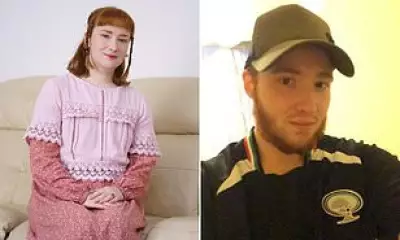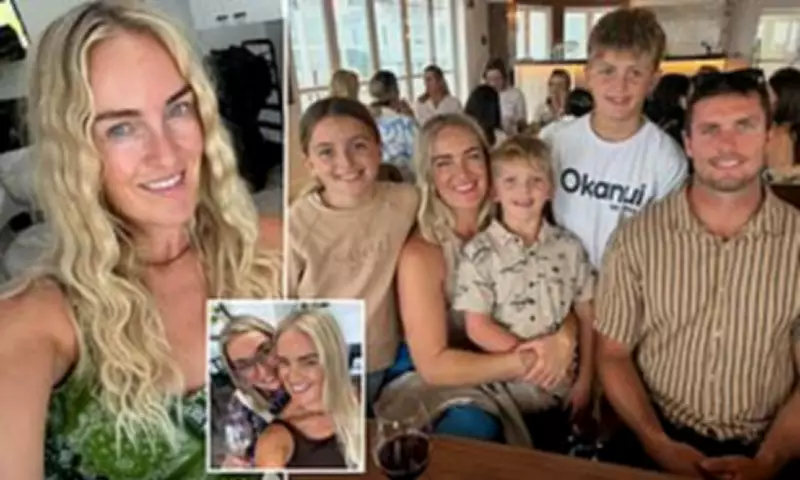
When Sarah Jane Withyman first noticed a small, painful sore on her breast, the possibility of cancer was far from her thoughts. At 38 years old, she was in good health, balancing her work as a self-employed hairdresser with raising her children in Newcastle. The sore, which appeared on her nipple in May 2021, seemed minor—uncomfortable but not alarming.
'I didn't think anything of it. It was just a sore,' Sarah told the Daily Mail. Her initial visit to the GP suggested shingles, a condition caused by the varicella zoster virus, which is part of the herpes family and often contracted in childhood as chickenpox. This virus can remain dormant in the body and reactivate when the immune system is weakened.
Precautionary Scans Uncover Hidden Tumour
Relieved by the shingles diagnosis, Sarah could have easily moved on. However, as a precaution, her doctor recommended a mammogram and ultrasound for thoroughness. 'I remember thinking, I'll just do it anyway,' she said. That decision proved life-changing.

During the follow-up imaging, doctors discovered a tumour deep within her chest wall. It was identified as triple negative breast cancer, one of the more aggressive subtypes, and had already progressed to stage 3. 'I didn't believe it at first,' Sarah recalled. 'It was surreal. I had no symptoms for the cancer at all.'
No Obvious Warning Signs
Unlike many breast cancer cases, there were no typical warning signs—no palpable lump or visible changes beyond the unrelated shingles sore that initially brought her to medical attention. The seriousness of the situation became clear when her doctor called after hours. 'That's when I knew. You don't get a call like that unless it's serious,' she said.
Within days, Sarah was referred to a specialist breast and endocrine centre, and the reality of her diagnosis began to sink in. 'It was awful. And it was all happening in the middle of COVID. It just felt like a really strange time.'
Treatment and Recovery Journey
Sarah underwent her first lumpectomy in June 2021, with surgeons removing the tumour along with several lymph nodes. Fortunately, the lymph nodes were clear, indicating the cancer had not spread. 'It was caught early enough, which was amazing,' she noted.
Additional surgery was required to ensure clear margins, followed by four rounds of chemotherapy. The timing during pandemic lockdowns unexpectedly allowed her to focus entirely on treatment and recovery. 'For the first time in my life, I was getting paid not to work. The kids were home so I didn't have to be running around, everything slowed down, and I could just focus on getting through it.'
Challenges of Chemotherapy
Despite this, chemotherapy presented significant challenges. During her first round, Sarah was hospitalised for five days with severe side effects, including dangerously high temperatures and an intense migraine that left her immobile. A nurse's simple intervention with aspirin eventually relieved her symptoms, a remedy she now relies on for similar pain.
'It wasn't pleasant. I wouldn't wish it on anyone,' she said of the chemotherapy experience.
Genetic Testing and Preventative Measures
As part of her treatment, Sarah underwent genetic testing, which revealed a PALB2 gene mutation despite no family history of breast cancer. This mutation significantly increases the risk of breast, ovarian, and pancreatic cancers. Armed with this knowledge, she opted for a preventative double mastectomy in May 2022.
Throughout her treatment, Sarah focused on maintaining normalcy for her children, finding comfort in routine and movement. She often took long walks, including regular 12-kilometre treks to Blacksmiths Beach, to clear her mind. 'I just needed to keep moving,' she explained.
Support and Coping Mechanisms
Her husband coped by immersing himself in home renovations, such as tiling the front of the house and converting a media room into a laundry and butler's pantry. 'We laugh about it now. That was how he dealt with it,' Sarah shared.

Now 43 and undergoing regular check-ups every six months, Sarah acknowledges that while the physical battle may be over, the mental impact lingers. 'At the time, I was in survival mode. I told myself I'd be fine because there was no other option. But in the years since, a lingering anxiety has emerged. Every ache, every pain, you think something's wrong. You think the cancer is back.'
Awareness and Advocacy
Despite this anxiety, she continues to move forward, running her business, raising her family, and sharing her story to encourage others to listen to their bodies. Her experience underscores a critical gap in awareness, particularly for cancers that don't present in obvious ways. 'Most people I know who've had breast cancer found a lump straight away. Mine was completely different,' she said.
It all began with something as simple—and easily dismissed—as a sore. Sarah is now the face of Breast Cancer Trials' For Our Mums Appeal, a matched donation Giving Day on Thursday 7 May. For 24 hours, public donations will be doubled by generous supporters to fund life-saving clinical trials.