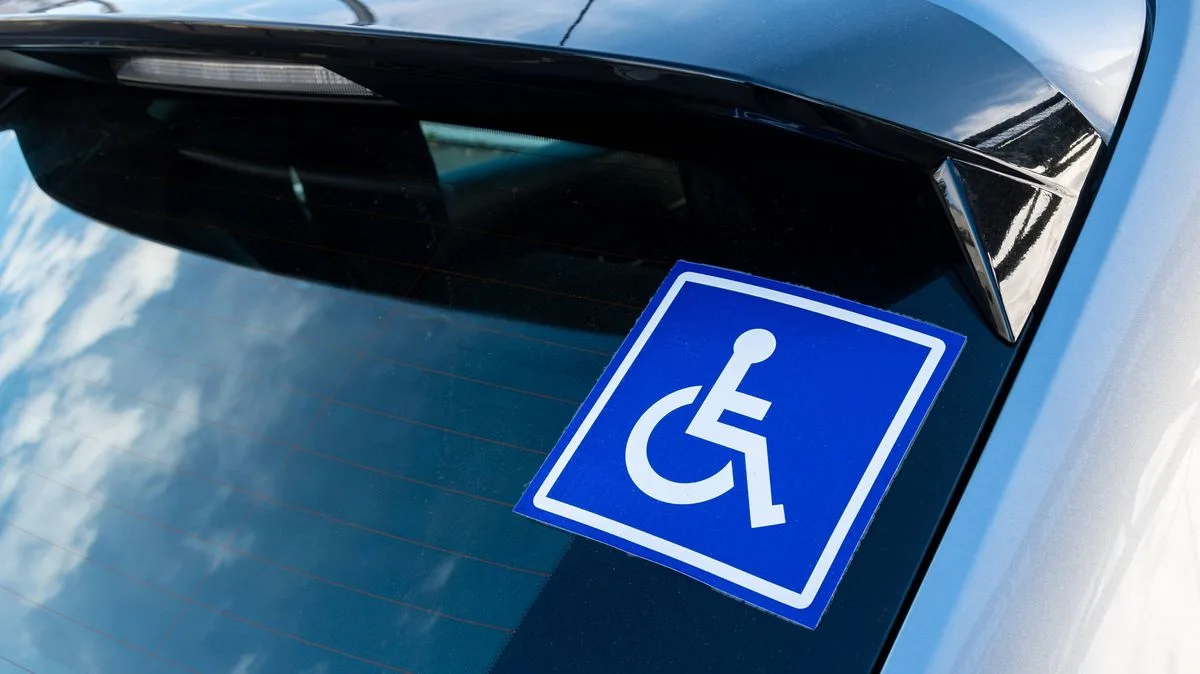
Millions of people across the UK could be missing out on vital parking assistance without even realising it. The Blue Badge scheme is a lifeline for those with disabilities or health conditions, granting holders the ability to park closer to their destinations.
Who Qualifies for a Blue Badge?
You might be eligible for a Blue Badge if you are living with a physical disability or a health condition that affects your ability to walk safely. The scheme also extends to individuals with hidden illnesses, including dementia, autism, or Parkinson's disease.
The badge permits free parking in designated disabled spaces and can offer exemptions from various other parking restrictions. This applies whether the holder is the driver or a passenger. Currently, there are over 3.2 million Blue Badge holders in the United Kingdom.
Benefits That Grant Automatic Eligibility
In many cases, receiving certain benefits means you will automatically qualify for a Blue Badge. The key benefits that grant this automatic entitlement are:
- Disability Living Allowance (DLA) - specifically the higher rate of the mobility component.
- Personal Independence Payment (PIP) - if you score 8 or more under the 'moving around' activity of the mobility component.
- The mobility component of PIP where you have 10 points for descriptor E under the 'planning and following journeys' activity.
- War Pensioners' Mobility Supplement.
Other Circumstances for Eligibility
Even if you don't receive one of the benefits listed above, you may still qualify for a Blue Badge. You could be eligible if you meet one of the following criteria:
- You regularly drive and cannot operate parking meters due to a severe disability in both arms.
- You have a substantial disability that has lasted, or is expected to last, at least 12 months and means you are virtually unable to walk.
- You have a mental health condition that causes you to lack awareness of the danger of traffic when making journeys.
- You have a substantial disability that has lasted, or is expected to last, at least 12 months and means you cannot walk at all.
- You are responsible for a child under 3 years old who needs to be kept near a vehicle for emergency medical treatment.
- You are responsible for a child under 3 years old who requires bulky medical equipment that cannot be carried around easily.
For those applying based on a mental condition, guidance suggests contacting your local council directly rather than applying solely online.
How to Apply for Your Blue Badge
Applications for a Blue Badge are made online through your local council's website. To complete your application, you will need to provide several documents.
You must supply a recent digital photo of your head and shoulders, which you can take yourself. Additionally, you will need a photo or scan of your proof of identity, such as a birth certificate, passport, or driving licence.
Proof of address is also required, which can be a Council Tax bill or an official government letter. Alternatively, you can authorise your local council to check the Electoral Register. If you are applying based on benefits, you must provide proof of those benefits.
Be prepared to share your National Insurance number and the details of your current Blue Badge if you are reapplying for a new one.
If your application is unsuccessful, your local council should explain the reasons. You have the right to ask them to reconsider their decision if you believe they overlooked crucial information. Should your condition worsen, you are free to reapply at a later date.