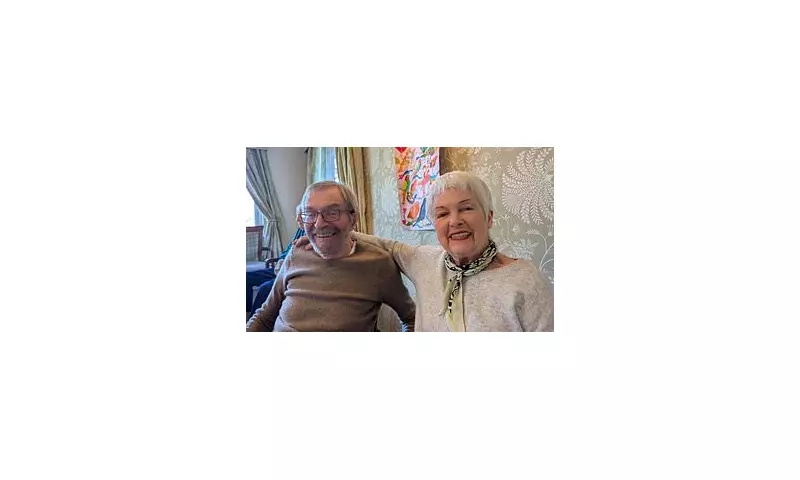
On a brisk March day in 2020, Jane Chapman, dressed in a blue coat and scarf, drove her partner of 18 years, Chris Howes, to the registry office. As they prepared to marry, she gently asked if he remembered where they were going. ‘Remind me?’ he replied. That poignant moment underscored the painful reason they were finally tying the knot. Chris, a world-touring pianist and jazz lecturer, now 82, had been diagnosed with Alzheimer's disease a year earlier.
The Brilliant Mind and the Early Signs
Jane, an 82-year-old former journalist from near Gravesend, Kent, first met Chris in 1992 when she reviewed his new jazz club for a local paper. She was instantly charmed by his vast intellect and shared passion for music. "He's very intelligent," Jane recalls. "He could remember so much; information you'd think is irrelevant, he would retain it somehow." For decades, they travelled the world together on cruise ships where Chris lectured, but maintained separate homes, a arrangement Jane calls "a very successful way to keep a relationship going."
This changed in 2015 when Jane, wanting to be closer to her daughter and grandchildren, moved out of London. The couple, then in their early 70s, began cohabiting for the first time in Kent. It was then that Jane noticed alarming changes. The confident driver she knew for 23 years began getting lost. "He'd come home late and I'd think he'd had an accident. He'd tell me 'I just couldn't find my way home'," she says. Frightened for his safety, she insisted he stop driving. The previously tech-savvy man also struggled to use his phone.

The Devastating Diagnosis and a Practical Response
Convinced something was wrong, Jane persuaded Chris to undergo tests, which initially indicated mild cognitive impairment. After his memory continued to falter, a brain scan followed. The call came in early 2019 while Jane was alone doing her weekly food shop. A doctor told her Chris had Alzheimer's. Chris himself has never mentioned his diagnosis. "I was the one who told all our friends," Jane explains.
Faced with this devastating news and feeling utterly alone, Jane's approach was pragmatic. "When you're told it's Alzheimer's, that's the end of it," she says. "Everything after that, you do yourself." She sought out dementia clubs and social groups for Chris without any official support. She also arranged power of attorney over his affairs. Recognising the legal and practical necessities, the couple, both previously married with adult children, decided to wed on 20 March 2020—days before the UK's first Covid lockdown.
From Partner to Carer and the Heartbreaking Transition
The early days of marriage were spent in lockdown, a period of cherished time together before an inevitable decline. As Chris's needs grew more acute, Jane transitioned from partner to full-time carer. He began wandering, once exiting through a window. "I eventually found him in the Co-op carrying a briefcase full of socks," Jane recounts. The crisis point came the day before Jane's 80th birthday when Chris fell, broke his femur, and hospital anaesthesia induced a severe delirium from which he never fully recovered.
Realising she could no longer cope alone, Jane hired a carer, but after three months of struggle, she made the agonising decision to move Chris into a care home at the end of 2023. "It's so heavy, the guilt you feel," she admits. Yet, she visits him every single day, believing she brings him "some sanity" in a distressing environment.
Now, Jane grieves for the vibrant, knowledgeable man she met in the jazz club, left with the pain of the unknown. "Knowing what's gone that is the hardest thing to cope with," she says. "I have no idea what's in his mind. He had so much knowledge, but where is it? There is the man that was and the man that's left." Her story highlights the profound personal devastation of Alzheimer's disease and the critical lack of structured support for families navigating its unrelenting progression.