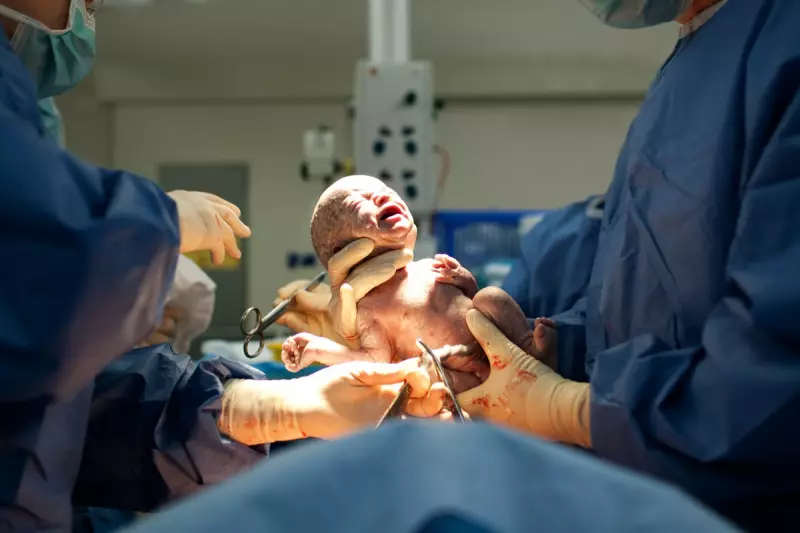
New figures from the NHS have revealed a historic shift in how babies are born in the United Kingdom. For the first time on record, the number of women giving birth by caesarean section has surpassed those having a natural, vaginal delivery.
The Rise of the 'Sun Roof' Birth
According to the latest data, 45.1 per cent of new mothers in the UK had a C-section last year. This compares to just 43.8 per cent who had an unassisted vaginal birth. The remaining 11 per cent had assisted vaginal deliveries, which involve instruments like ventouse or forceps.
This trend marks a significant departure from the past and has sparked a fresh debate about maternity care. The phrase 'too posh to push', coined in the 1990s to describe a perceived trend of celebrities opting for elective caesareans, now feels like an outdated explanation for a complex, system-wide issue.

Why Are C-Sections Increasing?
NHS England attributes the rise to several key factors. Firstly, women are having children later in life. Nearly 24 per cent of new mothers are now over 35, a notable increase from 19.9 per cent a decade ago. Secondly, rising obesity levels also contribute, as both age and weight can make natural birth more challenging.
However, many within the maternity services point to deeper, systemic problems. Severe staff shortages across the NHS have led to an increasingly medicalised approach to birth. Scheduling a caesarean for a specific time is often seen as logistically simpler for an overstretched service than managing the unpredictable timeline of a natural labour, especially overnight.
A System Under Pressure and Maternal Choice
With recent official reports painting a terrifying picture of understaffing and failures in maternity care, the fear of being left alone or not listened to is a powerful motivator for many women. A Care Quality Commission review found almost half of England's maternity services required improvement for safety.
In this context, choosing a planned caesarean can feel like the safer, more controlled option. Yet, as journalist and mother-of-two Eleanor Mills argues, major abdominal surgery is not without significant risk or a lengthy recovery. Mothers cannot drive or lift their baby unaided for weeks, unlike many who experience a straightforward natural birth.
The Benefits of Natural Birth and the Need for Balance
Medical evidence highlights crucial benefits for the baby during a vaginal delivery. The journey through the birth canal provides a vital boost to the newborn's microbiome, strengthening their immune system. For the mother, natural birth triggers the release of oxytocin, aiding bonding, breastfeeding, and post-partum recovery.
The call is not to deny caesareans where they are medically advised—for older mothers, those with health conditions, or where the baby's safety is at stake. Instead, the goal is a better-resourced system that offers genuine choice. Women should be supported by dedicated, one-to-one midwife care to attempt a vaginal delivery if possible, not steered towards surgery for institutional convenience.
The extreme of the 'free-birthing' movement, which rejects all medical intervention, is also recognised as dangerous. The ideal is a balanced, well-funded maternity service that respects both the natural process of birth and the essential role of modern medicine, putting informed maternal choice and safety at its heart.