Coroner Issues Stark Warning Over Doula Role After Baby's Death in Hampshire
A coroner has issued a powerful warning that more babies could die without greater clarity and formal guidance over the role of home birthing assistants, following the tragic death of a baby girl in Hampshire. The case has raised significant concerns about how doulas – non-medical professionals who provide emotional and practical support during pregnancy and birth – can potentially delay critical access to hospital treatment.
Tragic Case Highlights Systemic Concerns
Matilda Pomfret-Thomas died in November 2023 from a brain injury, just fifteen days after a difficult home labour. An inquest concluded last month that her mother was not immediately transferred to hospital despite clear signs of fetal distress during the labour on 29 October 2023.
In a prevention of future deaths report published this week, Hampshire's assistant coroner Henry Charles urgently called upon the Department of Health and the National Institute of Health and Clinical Excellence to take decisive action to prevent similar tragedies involving doulas.

Midwives Felt Restricted by Doula Presence
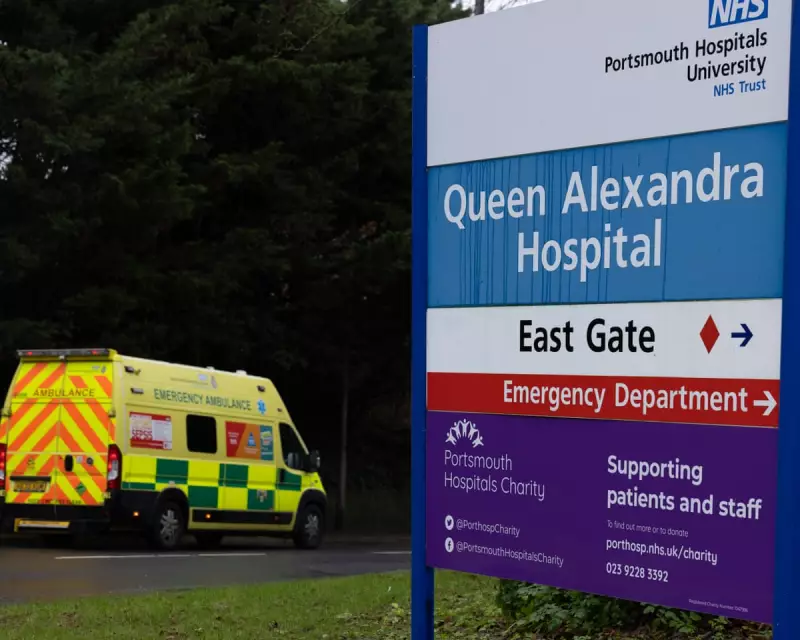
The coroner's report revealed that midwives from Portsmouth's Queen Alexandra Hospital specifically felt their access to the labouring mother "was being restricted by the doula" during the critical period. A midwife attending the home birth first offered a hospital transfer at 7.19am when meconium – a clear indicator of fetal stress – was discovered.
This initial offer was declined, and despite the labour "deteriorating" significantly, a second offer at 10am also failed to result in transfer because, according to the coroner, it was "not communicated [to the family] in such a way as to lead to a transfer to hospital."
Coroner's Detailed Findings on Doula Impact
Charles stated unequivocally: "The presence and work of a doula did on this occasion negatively impact upon the effective provision of midwifery services in terms of building a rapport conducive to effective advice and care being given."
He elaborated further, noting: "I found that she [the doula] did not actively discourage midwife access but that she was seen as, in effect, a buffer by members of the midwifery team. The doula was following the birth plan. The doula was supporting the parents per the birth plan, and this appears to have been perceived as grounds for hope that a home birth was still possible."
The coroner highlighted the increasingly common use of doulas by expectant mothers across the country, but expressed serious concern that their "clearly diffuse" role in practical terms could lead to other fatal misunderstandings between families, doulas, and medical professionals.
Investigation Reveals Wider Pattern of Concern
A separate report by the Maternity & Newborn Safety Investigation into Matilda's birth, cited by the coroner, emphasised that there is currently no regulation of doulas in the UK, nor any formal guidance on how they should interact with hospital maternity services. The report suggested doulas could sometimes be viewed as "interference rather than surveillance" by medical teams.
Disturbingly, a 2023 report when MNSI was part of the Healthcare Safety Investigation Branch revealed that doulas were involved in 29 of the 2,827 maternity investigations it had completed. More concerning still, MNSI found evidence in 12 of those 29 investigations that doulas had worked outside the defined boundaries of their role, with their care or advice potentially influencing poor outcomes for babies.
In one particularly alarming case detailed in the report, a doula had actively encouraged a mother to remain at home "in direct conflict with the advice from the midwifery team to urgently transfer to the hospital." The subsequent significant delay in hospital transfer was found to have contributed directly to the baby suffering a severe brain injury.

Industry Response and Regulatory Gaps
Charles noted that while many doulas are represented by Doula UK – which provides training and guidance – the organisation is not a regulatory body and does not cover all practising doulas in the country. He emphasised that "experienced midwifery professionals" had given evidence at the inquest highlighting that proper guidance would be "helpful for all involved with a birth at which a doula was present."
A spokesperson for Doula UK responded to the coroner's findings, stating: "We take the implications of the coroner's report extremely seriously. We have policies and practices in place to protect members and the families they support to ensure doulas remain within the scope of their practice and, in light of the report, we will be taking steps to review and strengthen our policies, guidance and ongoing CPD provision in consultation with our members and approved course providers."
The spokesperson added that in September 2025, Doula UK and the Nursing and Midwifery Council collaborated on a video series aimed at clarifying the distinct roles of midwives and doulas – an initiative that may represent a first step toward addressing the concerns raised in this tragic case.
This Hampshire tragedy has exposed critical gaps in the UK's maternity care framework, highlighting the urgent need for clearer boundaries, better communication protocols, and potentially formal regulation to ensure that the valuable emotional support provided by doulas does not inadvertently compromise medical safety during childbirth.