NHS Trust Maternity Scandal: 55 Baby Deaths Could Have Been Prevented
A damning investigation into a scandal-hit NHS trust has concluded that the deaths of at least 55 babies could have been avoided with improved maternity care. The cases, spanning a five-year period from 2019 to 2023, were reviewed by University Hospitals Sussex NHS Foundation Trust (UH Sussex), which acknowledged that different treatment 'may' or was 'likely' to have led to better outcomes.
Systemic Failures and Missed Opportunities
In a separate review of nine stillbirths occurring in 2021 and 2022, investigators identified multiple missed opportunities to save the infants. The trust's financial records further expose the scale of the crisis, with clinical negligence payments totalling £103.8 million for maternity errors between 2021 and 2025. This includes £34.3 million paid out in the 2024/25 financial year alone, the highest amount recorded for any NHS trust in England during that period.
These revelations follow Health Secretary Wes Streeting's announcement of an independent investigation into maternity care at UH Sussex, established in 2021. Originally intended to examine nine cases, the review has since been expanded to include 15 families, among them two babies both named Felix.

Heartbreaking Personal Stories Emerge
A joint investigation by the BBC and the New Statesman has identified at least eight additional families with serious concerns about the trust's maternity services. Bereaved mothers have courageously spoken out about their traumatic experiences.
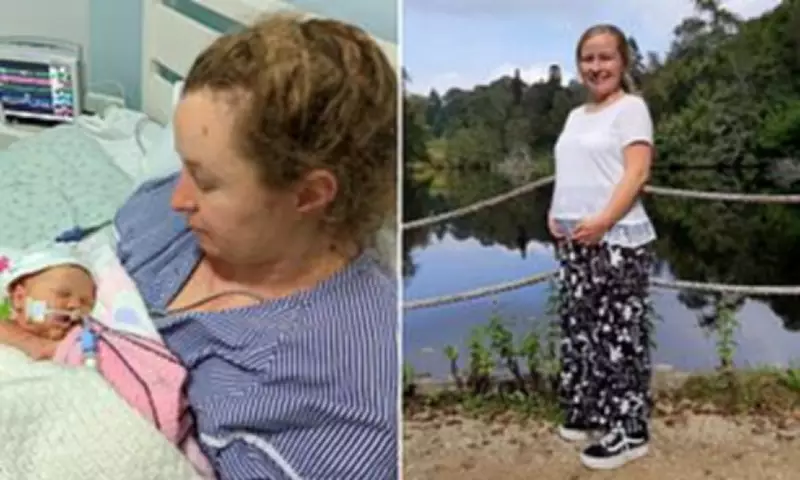
Katie Fowler, who lost her daughter Abigail in 2022 due to inadequate care, stated: 'The trust does a good job of persuading people that nothing could have been done. I think there will be cases where parents may not realise that their child could have been saved.' Ms Fowler now coordinates Truth for Our Babies, a support group formed by grieving parents alarmed by standards at UH Sussex.
Her daughter Abigail died just 48 hours after being delivered by emergency C-section in a hospital reception area, following cardiac arrest. An independent investigation found that midwives had only communicated with Ms Fowler via telephone, missing two critical opportunities to bring her in for assessment. They also failed to summon an emergency ambulance when her condition worsened dramatically.
An inquest in November 2023 concluded that Abigail would have survived if Ms Fowler had been admitted to hospital earlier. The couple had contacted the maternity unit at Royal Sussex County Hospital in Brighton four times on January 21, 2022, after Ms Fowler went into labour on her due date, with two calls reporting significant blood loss. Despite this, they were instructed to remain at home until after their fourth call at 7pm, by which time Mr Miller observed his wife had turned pale with blue lips and was struggling to breathe.
Midwives incorrectly attributed her symptoms to a panic attack and advised the couple to make their own way to hospital. In reality, Ms Fowler was suffering from massive internal bleeding caused by a uterine rupture, a rare complication where the womb tears. The catastrophic blood loss caused her heart to stop as their taxi arrived at the hospital.
Doctors performed emergency surgery on Ms Fowler and created a makeshift resuscitation area using two chairs in an attempt to stabilise Abigail. Ms Fowler survived after two days in a coma and was able to meet her daughter briefly, but Abigail died in her parents' arms later that same day.
Further Tragic Cases Highlight Pattern of Neglect
Beth Cooper lost her baby Felix after he was born at Princess Royal Hospital in Haywards Heath, one of four hospitals operated by the trust. In the week preceding his birth, she visited the hospital on three consecutive days, reporting reduced fetal movements. Ms Cooper asserted that it 'was really obvious' something was wrong, but staff dismissed her concerns, often attributing them to first-time mother anxiety.
Tragically, by her fourth visit, doctors could no longer detect Felix's heartbeat and informed her he had died.

Sophie Hartley recounted losing her child, also named Felix, after discharging a dark substance she believed was meconium, a baby's first stool that can cause breathing difficulties if passed before birth. Ms Hartley claims she was forced to call Princess Royal Hospital 'at least 30 times' before reaching anyone. When she finally attended for a check-up, her baby was not properly monitored and she was sent home.
She went into labour around 2:30am the following morning and arrived at hospital by 7am. Staff struggled to locate her baby's heartbeat, and after several delays, he was delivered via emergency C-section. The infant was not breathing and died the next day.
Trust Response and Ongoing Scrutiny
A spokesperson for UH Sussex stated that its mortality rates for the past three years were 'markedly below national rates' and emphasised its goal to 'provide the safest possible maternity care'. The Daily Mail has contacted the trust for further comment as the independent investigation continues to uncover the full extent of these devastating failures.