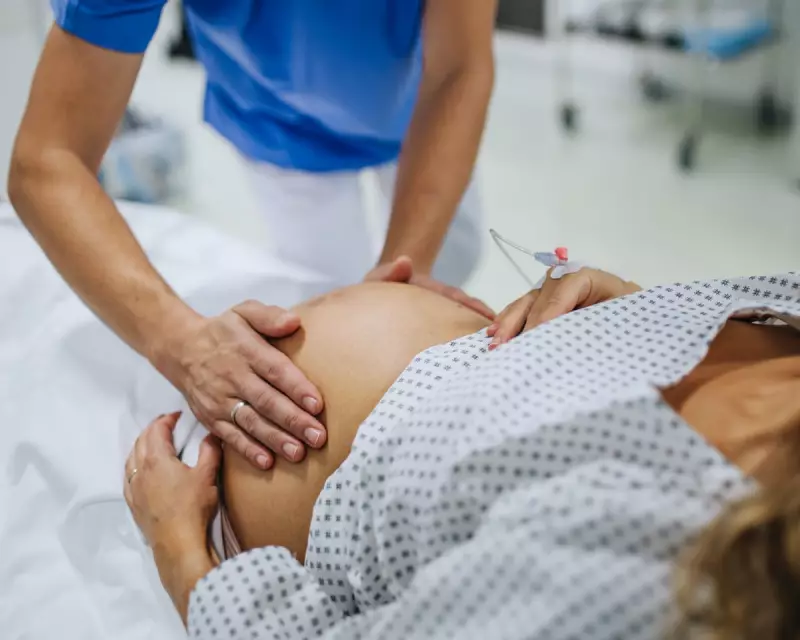
Rates of severe bleeding after childbirth have reached a five-year high in England, sparking a crucial debate about the causes and the future direction of maternity care. While some reports have linked the rise to declining safety in the NHS, leading obstetricians and midwives argue the issue is more complex, pointing to soaring intervention rates and a need for greater maternal choice.
The Real Drivers Behind Rising Haemorrhage Rates
In a recent World Health Organization analysis, the single largest factor influencing postpartum haemorrhage was identified as caesarean birth. Conversely, the practices shown to reduce the risk were home birth and early skin-to-skin contact with breastfeeding. This evidence suggests that the increasing haemorrhage rates are a direct consequence of the UK's high caesarean section rate, which now stands at 45% in England.
Professor Andrew Weeks, chair of the Royal College of Obstetricians and Gynaecologists' guidelines committee, warns that sensationalist language about 'terrifying' risks can exacerbate the problem. He states that fear may drive women to choose elective caesareans—which carry a higher haemorrhage risk—or to opt out of professional care entirely, which dramatically increases the danger if bleeding occurs.

The Call for a Cultural Shift in Maternity Care
A significant cultural change is already underway within the NHS, moving away from paternalistic models towards care that prioritises increased choice for women. However, experts caution that calls for even higher caesarean rates and reduced midwifery-led care would likely worsen haemorrhage statistics.
Midwives Anna Melamed and Sonia Richardson from the University of the West of England emphasise that the lowest risk of haemorrhage occurs when labour begins spontaneously and proceeds with minimal intervention. They highlight that induction of labour, now at a rate of 32%, also significantly increases the risk. They argue that attributing rising intervention rates mainly to older or heavier mothers explains only a small part of the increase.
Investing in Personalised, Compassionate Care
The solution, according to the experts, is not a simple one. There is no universally 'easy' way to give birth. What is required is expert, compassionate care for all, supported by high-quality education and genuine maternal choice. This includes robust support for midwifery-led continuity of carer models, which are evidence-based but remain underfunded.
Professor Weeks concludes that such a shift to truly personalised care will not be cheap. While 'conveyor-belt' care is cost-effective, improving outcomes demands greater resources. It is time for the government to step in and provide the necessary investment to ensure maternal wellbeing, including reducing haemorrhage and birth trauma, is at the heart of the NHS maternity service.