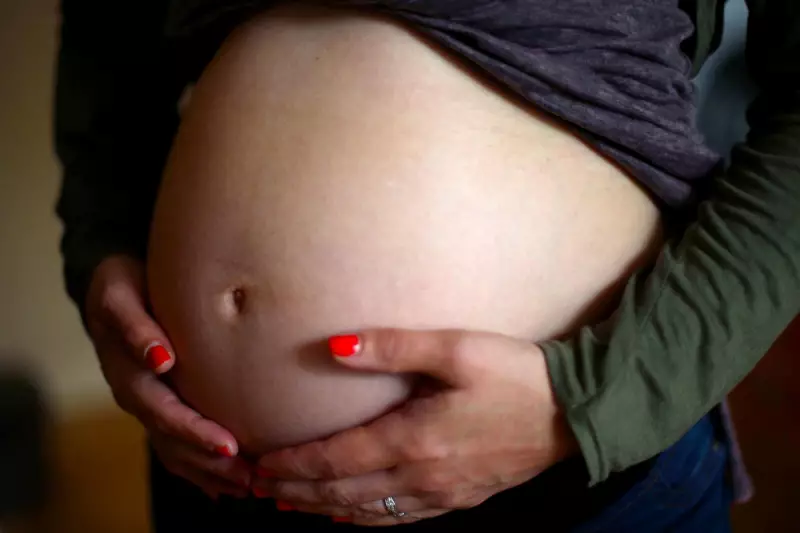
In a move described as a "generational change," the World Health Organization (WHO) is set to begin work this year to finally include pregnant women in clinical drug trials. This initiative aims to end the decades-long information vacuum that forces millions of women to choose between their health and potential risks to their unborn child.
The Impossible Choice Facing Mothers
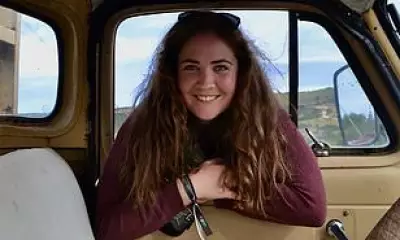
The stark reality is that more than 90 per cent of medicines have never been formally tested in pregnancy. This leaves women like Emma, a 35-year-old with Ehlers-Danlos syndrome, navigating treatment in the dark. Needing medication to manage a complex condition that requires tube feeding, she faced vague warnings and a lack of definitive safety data. "The vast majority of the information is like, 'to be used if there's no other options, no research done'," Emma explains. This profound uncertainty breeds what she describes as immense "guilt and anxiety."
Mariana Widmer, a maternal health scientist at the WHO, traces this systemic exclusion back to the Thalidomide tragedy of the 1950s and 1960s. That drug, given for morning sickness without pregnancy testing, caused severe birth defects and led to today's stringent drug safety laws. Ironically, the very group whose suffering spurred these protections—pregnant women—were then systematically barred from trials, a practice born from fear rather than malice.

From Catch-22 to Collaborative Change
The consequences of this exclusion are severe and widespread. After fatal bleeding, the next most common cause of maternal death globally is from manageable chronic conditions like heart disease, diabetes, and epilepsy. "Pregnant women are still dying from conditions that are otherwise preventable in others," Widmer states.
For patients, the lack of research creates a dangerous "catch-22." Emma's experience with Nabilone, a synthetic THC for nausea, is telling. Without it, she faces frequent hospitalisation, yet data on its use in pregnancy is conflated with risks from recreational cannabis, smoking, and alcohol, rendering it "meaningless." Similarly, stopping opioid painkillers could risk her pregnancy through uncontrolled pain. "It's this constant weighing up of what is more dangerous," she says.
The WHO's plan involves creating a toolkit for scientists and drug developers, guiding them on how to safely include pregnant women in trials for essential medicines. The next phase will focus on incentivising pharmaceutical companies, potentially through regulatory fast-tracking. Widmer stresses this is a collaborative mission: "There's no one single organisation or one individual that can make this change. This change is huge."
Reclaiming Autonomy and Learning from History
Dr Teesta Dey, a former NHS obstetrician turned global health consultant, became personally invested after her own complicated pregnancy. She faced confusing and contradictory medication labels, placing a "huge burden" on her to decide alone. This paternalistic model, she argues, strips women of autonomy. "We've taken that autonomy and that control away," she says, advocating for pregnant women's capacity to understand risks and consent to trials.
The Covid-19 pandemic highlighted the cost of exclusion. Despite pregnant women facing some of the worst outcomes, 75 per cent of vaccine studies initially excluded them, sowing mistrust even though later real-world data confirmed safety.
There is a blueprint for success. Until around 20 years ago, children were similarly excluded from trials and dosed as "small adults." EU regulations in 2007 mandated paediatric testing for relevant drugs, making it routine. "This is something that I would love to do with pregnancy," Widmer affirms.
The WHO's information toolkit is scheduled for launch in Spring 2026. This shift represents more than just safety—it's about restoring choice and ending an era where, as Dr Dey notes, healthcare providers are forced to say "I don't know" to the women who need answers most.