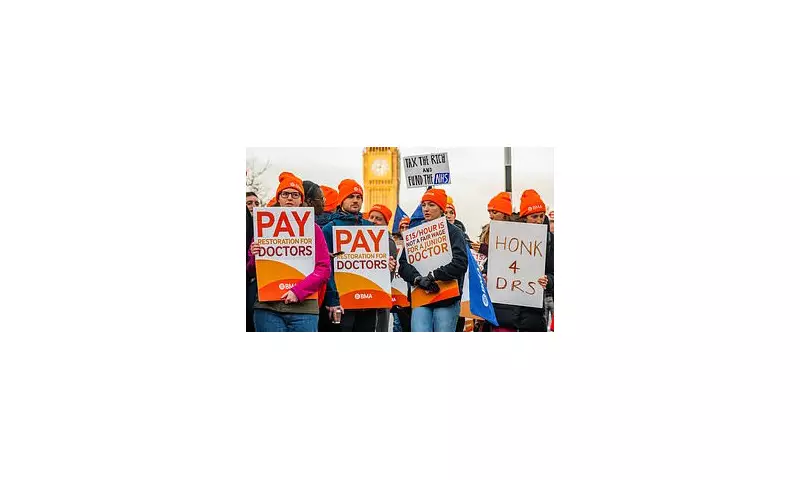
The National Health Service is braced for unprecedented disruption this week, with as many as 70,000 operations and appointments likely to be cancelled as resident doctors begin another five-day walkout. The strike, which started at 7am today and will last until 7am on Monday, coincides with a record winter flu outbreak and staff holidays, creating a perfect storm for the health service.
A Strike at the Worst Possible Time
Health leaders have issued stark warnings that more patients are "likely to feel the impact" of this industrial action compared to previous rounds. The timing, deep into the festive season and amid soaring flu cases, means countless individuals face the prospect of spending Christmas and New Year in prolonged pain, with no certainty over when their treatment will be rescheduled.
Furthermore, patients already in hospital or admitted in the coming days may experience such significant discharge delays that they are unable to return home in time for festive celebrations. Professor Meghana Pandit, National Medical Director at NHS England, stated: "These strikes come at an immensely challenging time for the NHS, with record numbers of patients in hospital with flu for this time of year."

Mounting Pressure on an Overstretched NHS
The industrial action, the 14th round since March 2023, involves thousands of medics – formerly known as junior doctors – who are pursuing a 26 per cent pay rise. The government has highlighted that their pay has increased by 28.9 per cent over the last three years. Each five-day walkout is estimated to cost the NHS approximately £300 million in lost activity and overtime payments to covering consultants.
Hospitals have been instructed to aim for 95 per cent of usual activity during the strike, but officials admit this target will be "more challenging" due to winter pressures. The last five-day walkout in November led to 38,961 cancelled appointments. If activity levels drop to around 90 per cent this time, the figure could skyrocket to between 60,000 and 70,000, dealing a further blow to efforts to tackle the growing elective care backlog.
The situation is exacerbated by the fact that more hospital beds are occupied by flu patients than ever before at this point in the year. Some of the hardest-hit hospitals have declared "critical incidents" and have ordered ambulances to divert to other Accident & Emergency departments.
Political Recriminations and Patient Anguish
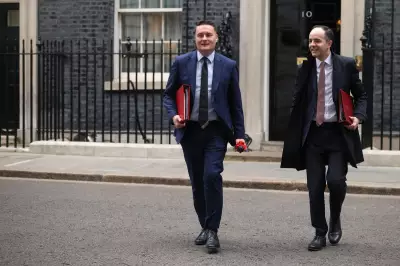
Health Minister Stephen Kinnock has accused the British Medical Association (BMA) of timing the strike to "inflict as much damage as they can" on the NHS. He revealed the government had offered the union the chance to extend its mandate and stage the action in January instead, calling the decision to proceed in December "dangerous, reckless and irresponsible".
Charity director Caroline Abrahams of Age UK warned that elderly Britons will be "hit harder than most". She emphasised that while postponed procedures might be classified as "non-urgent" on paper, for an older person in pain and anxiety, after months of waiting, the delay is profoundly distressing.
Hopes of a last-minute resolution were dashed on Monday when BMA members rejected a fresh government offer, which included more senior training places and help with exam fees. Dr Jack Fletcher, chair of the BMA's Resident Doctors Committee, stated that strikes would continue into the New Year unless the government delivers on the union's demands, criticising the pattern of "denial, harsh words and rushed half-measures".
As the NHS issues an urgent plea for eligible people to get their flu vaccine, the service and its patients face a bleak and disruptive festive period, with staff covering the strikes also missing out on their well-deserved Christmas break.