A Father's Journey from Despair to Determination
The moment I learned my 15-month-old daughter Frankie had DeSanto-Shinawi syndrome (DESSH) on July 7, 2025, is forever etched in my memory. For months, I had clung to optimism, dismissing concerns about her developmental delays—she wasn't crawling or speaking like her siblings—as aftereffects of meningitis. But the diagnosis, affecting only about 200 people worldwide, hit like a bomb.
Our consultant explained the genetics: Frankie has a single-letter DNA change in her WAC gene, halving the crucial protein for brain development. This leads to lifelong challenges like learning disabilities, mobility issues, and potential seizures. As an emergency medicine doctor, I was used to treating patients with certainty, but with Frankie, I felt helpless, facing a waiting game without a cure.
The Power of AI in Rare Disease Research
In my search for answers, I discovered the work of Matthew Might, a computer scientist whose son had NGLY1 deficiency, another ultra-rare condition. Instead of accepting the diagnosis as an endpoint, he used AI to analyze existing drugs, repurposing them to treat genetic diseases by adjusting biological pathways. This approach underpins the National Institutes of Health Biomedical Data Translator in the US, offering hope without needing new gene therapies.

Matthew's AI modelling improved his son's quality of life, though Bertrand sadly passed away in 2020. His legacy shows AI's potential to transform rare disease treatment, moving from fixing genes to modifying pathways with repurposed drugs.
Breakthroughs and Real-World Applications
Researchers like Laura Lambert and Dr. Whitney Thompson at the Mayo Clinic applied this concept to DESSH. They identified a licensed epilepsy drug that increased WAC protein levels in lab tests. For Jorie, a girl with DESSH, starting this drug before her second birthday led to significant developmental gains, such as improved speech and understanding.
While Jorie's case isn't definitive proof—DESSH affects children variably—it signals a breakthrough. Her story, shared via YouTube and WhatsApp groups, inspired me to see this as groundbreaking science, not just anecdote.
Founding Rare People – The Research Charity
Despite the promise, funding is a major hurdle. Pharmaceutical companies lack incentive to invest in off-patent drugs for rare conditions. That's why I helped found Rare People – The Research Charity. Our mission is to fund clinical trials for repurposed, AI-identified drugs for rare genetic neurodevelopmental diseases.
We prioritize a trial for DESSH at the Mayo Clinic, aiming to include UK participants. As trustees, we cover operational costs so public donations directly support research, guided by a Medical and Parental Advisory Board.
A Call to Action for Rare Diseases
On National Rare Disease Day, organized by Genetic Alliance UK, we highlighted how rare disease patients are often neglected due to small numbers. Rare People aims to close this gap, ensuring children like Frankie have the same opportunities as others.
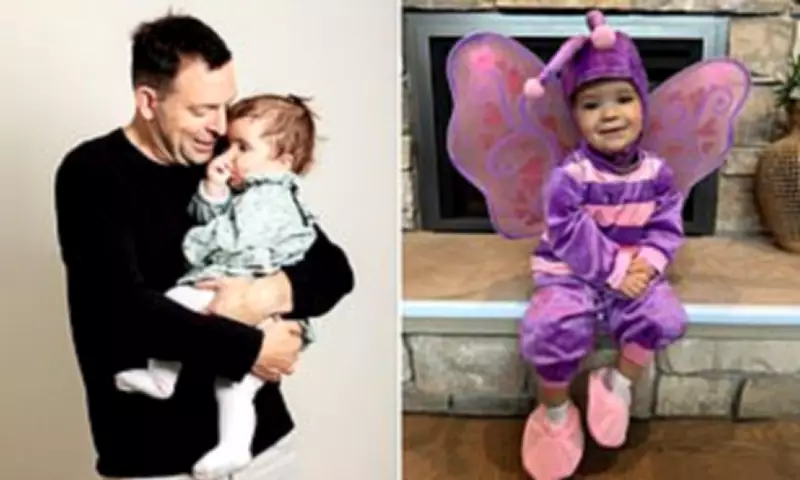
Frankie is a joyful, loving girl, and I wouldn't change her. But I want her to dream freely about her future. By supporting our charity, you can help give hundreds of thousands of children more than just therapy and hope—they deserve scientific ambition too.