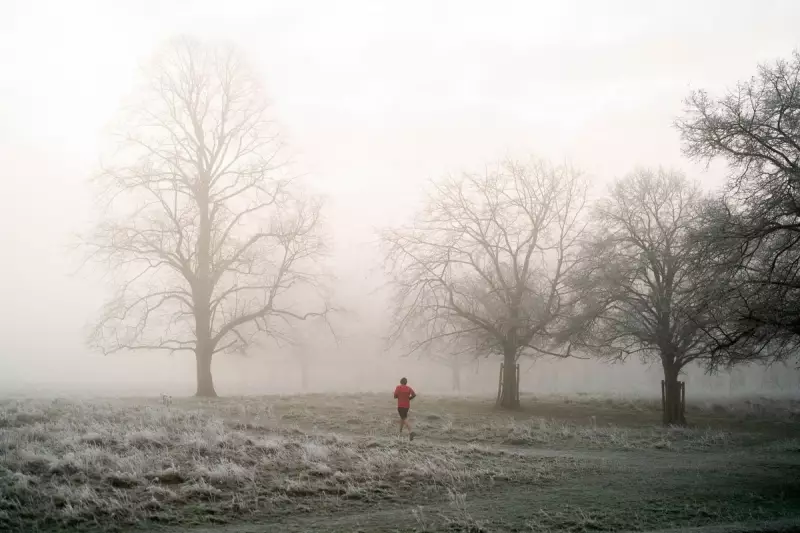
The United Kingdom is preparing for a bitterly cold commencement to 2026, with health authorities issuing a significant amber cold weather alert for large parts of the country. The UK Health Security Agency (UKHSA) has activated the warning due to a forecasted plunge in temperatures, which is expected to bring increased risks to vulnerable populations and strain on public services.
Alert Details and Forecasted Freeze
An amber-level cold health alert is active for the North East and North West of England from 8pm on Sunday, 28 December 2025, until 12pm on Monday, 5 January 2026. Forecasters predict daytime temperatures in these regions will struggle to reach between 3°C and 5°C, with overnight lows dipping to around -3°C. In parts of Scotland, the mercury could fall as low as -7°C.
From New Year's Day onwards, "wintry showers" are anticipated across northern England, heralding a blustery and frosty beginning to the new year. Met Office meteorologist Dan Stroud confirmed the shift, stating, "We’re losing this sort of settled but chilly conditions, and bringing in something a little bit more showery with more wintry hazards in the forecast, particularly for the north of the country." He added that while the final days of 2025 will see milder temperatures of 7°C to 8°C, a sharp turn is expected as 2026 arrives.

Significant Impact on Health and Services
The amber alert signifies that the cold weather is assessed as "likely" to have substantial impacts across the health and social care sector. The UKHSA warns this includes a potential rise in mortality among individuals aged 65 and over, as well as those with pre-existing health conditions. Impacts may also extend to younger age groups.
The agency outlined several serious consequences:
- Increased demand for healthcare services across affected regions.
- Indoor temperatures in hospitals and care homes potentially falling below recommended levels for clinical risk assessment.
- Challenges in maintaining the advised 18°C minimum in homes, elevating risks for vulnerable residents.
- Potential staffing issues due to external factors like travel disruption.
- Knock-on effects for other sectors, including transport and energy.
Dr Agostinho Sousa, Head of Extreme Events and Health Protection at UKHSA, urged the public to take action: "As the colder weather sets in it is vital to check in on friends, family and neighbours that are most vulnerable. The forecasted temperatures can have a serious impact on the health of some people, leading to increased risk of heart attacks, strokes and chest infections."
Wider Yellow Alert and Public Advice
In addition to the amber warnings, the UKHSA has issued a less severe but still important yellow cold health alert for a wider area. This covers the East Midlands, West Midlands, South East, South West, East of England, Yorkshire and the Humber, and London. In these regions, temperatures are forecast to drop to between 4°C and 6°C from New Year's Day.
It is crucial to note that these are public health alerts, distinct from the Met Office's weather warnings, of which there are currently none in place. The focus is squarely on the health implications of prolonged cold exposure. Authorities are advising people to heat their main living room to at least 18°C, keep bedroom windows closed at night, and ensure they are aware of the heightened risks during this period of severe winter weather.