Covid Inquiry Exposes Deep Trauma and Systemic Failures in Pandemic Response
The monumental Covid-19 Inquiry, the largest public investigation in British history, has drawn to a close, leaving in its wake a stark portrait of collective national trauma. Initiated by relentless demands from bereaved families, this exhaustive process has meticulously documented how governmental missteps led to catastrophic loss and suffering.
A Nation's Grief Without Closure
Having attended numerous hearings at Dorland House in London, I witnessed firsthand the profound and unique anguish of the Covid-bereaved. This grief is compounded by a lack of closure, a wound kept raw by the circumstances of loss. Families were denied final goodbyes, with funerals banned and many prevented from even viewing their loved ones' bodies. Some described a haunting uncertainty, wondering if their family member had truly passed, having only a photograph of a body bag as confirmation.
The human cost is staggering: 230,000 lives lost, tens of thousands grappling with Long Covid, and many bereaved individuals now diagnosed with PTSD and other mental illnesses. The inquiry heard from 381 witnesses, their testimonies painting a picture of fear, isolation, and systemic failure.

Leadership Failures and Fatal Delays
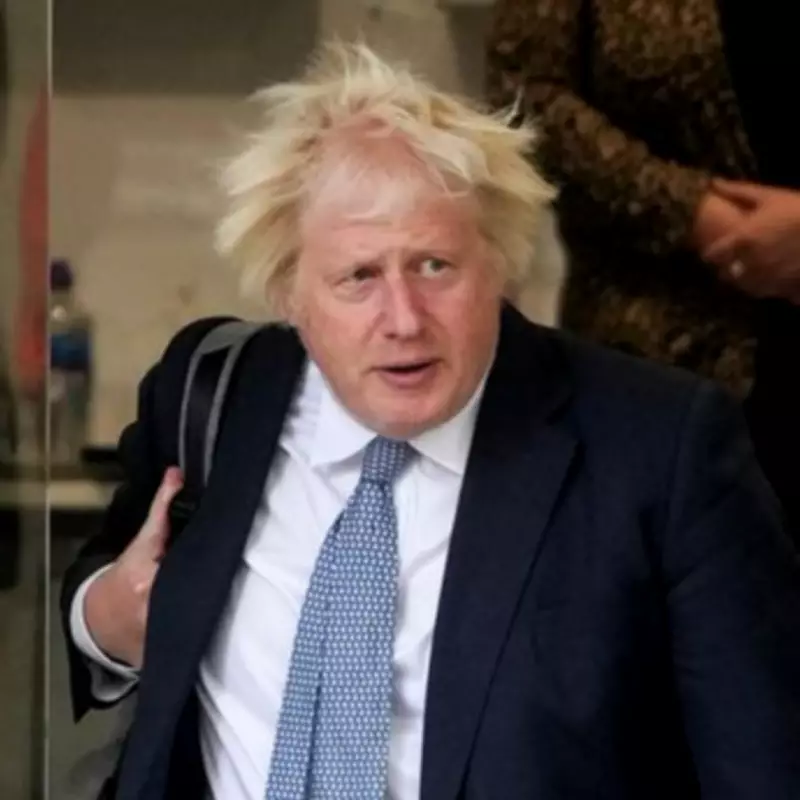
The inquiry laid bare the incompetence and complacency at the highest levels of government during the crisis. Testimony revealed that Britain was led by a Prime Minister, Boris Johnson, ill-equipped for a generational emergency. Despite official scientific advice, Johnson publicly boasted of shaking hands in hospitals early in the pandemic.
His government's delayed response had deadly consequences. Inquiry chair Baroness Heather Hallett concluded that implementing a lockdown just one week earlier could have prevented 23,000 deaths—48% of the fatalities in the first wave. This fatal hesitation, driven by dithering at the top, made the ultimate restriction of a full lockdown an inevitability.
The emotional weight of this failure was palpable in the hearing room. As politicians like Johnson and former Health Secretary Matt Hancock gave evidence, the strained faces of bereaved families in the public gallery reflected the triggering nature of the testimony.Voices of the Bereaved Demand Accountability
Families have channeled their anger into a powerful force for accountability. Rivka Gottlieb, speaking at the final hearing, stated, "My father was one of those people who could have been saved had the lockdown happened a week earlier… I am haunted by the fact that he died alone."
Katherine Poole, the inquiry's final witness, shared her heartbreaking final conversation with her father: "His last words to me were ‘you won’t leave me will you?’ That will stay with me forever. Because I did leave him but not through my choice." These personal stories underscore that the lost were not just statistics, but cherished individuals whose absence leaves a permanent void.
Unpublished Lessons and a Path Forward
While the witness hearings have concluded, the inquiry's full lessons are yet to be revealed. Baroness Hallett is now compiling reports, with five expected this year covering critical areas like healthcare system preparedness, vaccine development, procurement processes, the care sector, and contact tracing.
Her clear advice to any future leader facing a pandemic is to act decisively and early to prevent lockdowns from becoming the only option. The raw emotion and trauma exposed by this inquiry must now be harnessed as a catalyst for profound change. The collective resolve must be to learn from these catastrophic failures, to honour the lost by ensuring such a devastating mishandling of a public health crisis can never happen again on British soil.