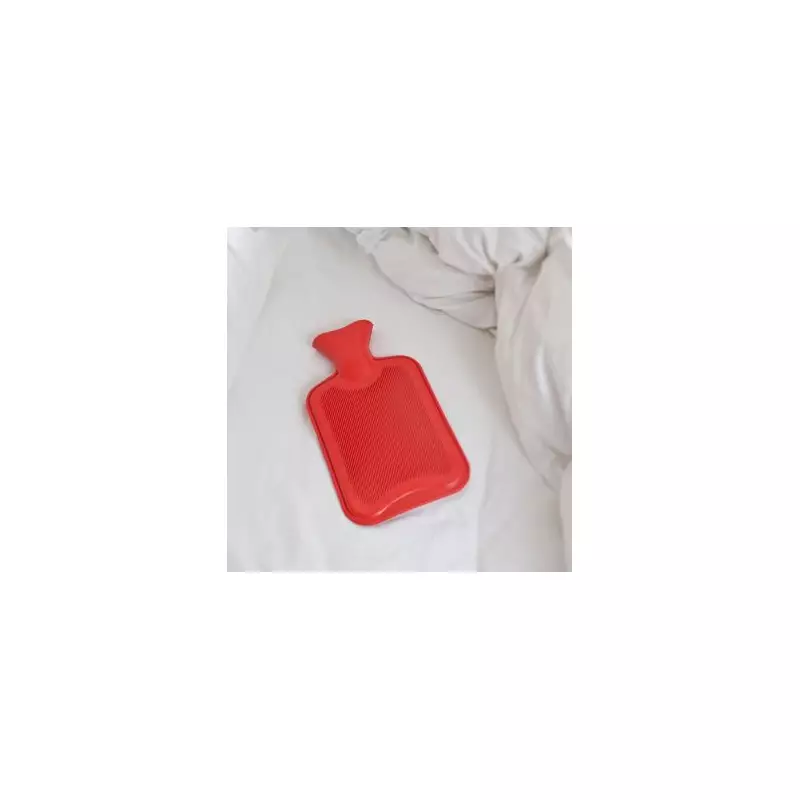
As the UK winter deepens and energy bills remain a pressing concern, many households are reaching for traditional hot water bottles to keep warm. However, a prominent London-based doctor has issued an urgent safety warning, highlighting a commonly overlooked danger that could result in severe injuries.
The Hidden Danger in Your Bed
Dr Nomzzy, widely known on social media as The Skin Doc, has raised the alarm over the improper use of hot water bottles, particularly during the night. He stresses that misuse can lead directly to "serious burns" and has treated countless patients where the hot water bottle was the main cause of their injury, necessitating a referral to a specialist burns unit.
The core of the warning centres on a critical fact many are unaware of: every hot water bottle has a strict expiry date. "Now, not many people know this, but a hot water bottle has an expiry date, and it's only two years from the date it was manufactured," Dr Nomzzy stated. He emphasised that understanding how to find and interpret this date is essential for safety.

How to Decode Your Bottle's Expiry Date
The expiry information is found on the bottle, represented by a symbol containing a number in the centre surrounded by 12 segments. Dr Nomzzy explained the system using an example: the central number '21' indicates the year of manufacture (2021). The surrounding segments correspond to the months of the year, and the dots within each segment represent the weeks.
For instance, a bottle with the first four segments fully dotted (January to April) and the fourth segment having only three dots was manufactured in the third week of April 2021. Its safe usage period would expire two years later, in April 2023. Using a bottle beyond this date significantly increases the risk of it splitting or leaking, causing scalds.
Essential Safety Steps for a Cosy Winter
Beyond checking the expiry date, Dr Nomzzy and safety experts advocate for a series of simple precautions to prevent accidents.
- Never use boiling water: Always allow the kettle to cool slightly before filling. Warm water is sufficient and far safer.
- Do not overfill: Fill the bottle only to two-thirds of its capacity to prevent pressure build-up and bursting.
- Secure the stopper tightly: Ensure it is twisted properly to prevent leaks.
- Always use a cover: Wrap the bottle in a towel or a dedicated cover to avoid direct skin contact.
- Inspect before use: Check for any signs of cracks, wear, or leaks.
- Keep it away from children and sensitive skin: Be mindful of where it is placed on the body.
- Never sleep with it: However tempting, remove the hot water bottle from your bed before you fall asleep.
- Replace it regularly: Adhere to the two-year guideline and replace old bottles promptly.
The warning has resonated with the public online, with many sharing their own experiences. One user commented, "Yes, I have been burnt twice with a hot water bottle. Good message," while another was shocked to discover, "Mine was made in 2009, first week of June." The advice serves as a crucial reminder that during a cost-of-living crisis, while seeking affordable warmth, safety must remain the paramount concern.