Dr Saboor Mir: A Life of Service After Surviving Partition
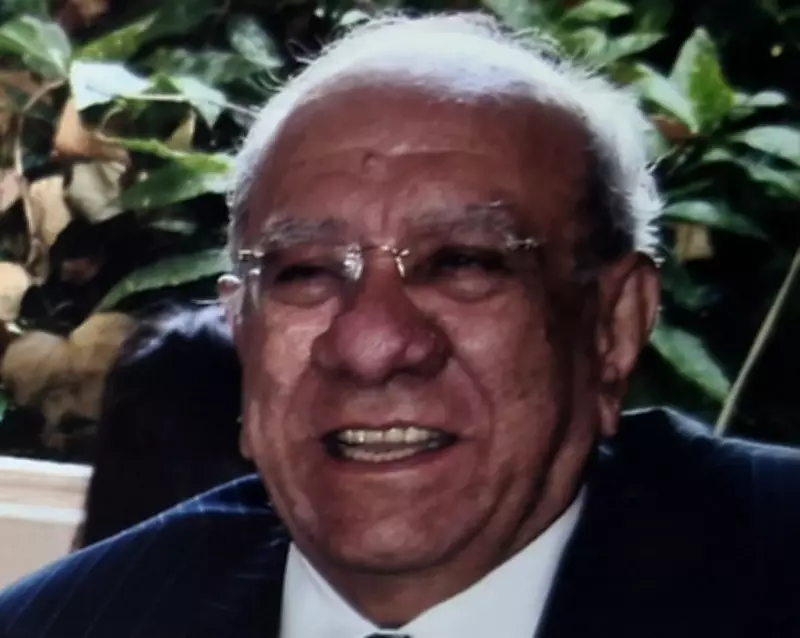
Dr Saboor Mir, an esteemed ophthalmologist and family general practitioner who dedicated more than four decades to the National Health Service, has died at the age of 94. His remarkable journey began in what was then British India, where he witnessed the traumatic events of partition during his youth, before building a distinguished medical career in the United Kingdom.
Early Life and Escape from Partition Violence
Born in Gujranwala on the outskirts of Lahore, Saboor was one of seven children to Kulsum Begum and Mozaffer Ahmed, a railways inspector for British India Railways. While attending Government higher secondary school in Gujranwala, he experienced the horrors of partition in 1947 firsthand. He recalled seeing his Sikh neighbour thrown from a top-floor window and brutally beaten in the street. In a fortunate twist of fate, Saboor personally avoided tragedy by missing a train that was later set ablaze by an angry mob.
Academic Excellence and Medical Training
Despite these harrowing circumstances, Saboor excelled in his studies. He pursued higher education with determination, earning a BSc in botany from Government College Lahore in 1952. He then completed an MBBS (bachelor of medicine, bachelor of surgery) at King Edward Medical College in 1964. During his university years, he embraced the social aspects of campus life and served as editor of the King Edward Medical College Union Gazette. After graduation, he contributed to public health by joining the World Health Organization immunisation programme.

Migration to the UK and NHS Career
In 1965, Saboor married Razia (née Bukhsh), also a doctor, and the couple embarked on a new life in the United Kingdom. They arrived in Glasgow on Christmas Eve of that year, both taking up roles at the Western Infirmary and Vale of Leven hospitals. By the 1970s, the family had relocated to Watford, Hertfordshire, where Saboor and Razia established a GP practice partnership. Alongside his general practice duties, Saboor worked as an eye surgeon and ophthalmologist at Charing Cross hospital in west London, collaborating with the pioneering ophthalmologist Sir Eric Arnott.
Community Involvement and Retirement
Saboor became a well-known and respected figure in his local community. In the 1980s, he played a key role in fundraising efforts for the Watford Jamia mosque, enlisting the support of then MP Tristan Garel-Jones. His dedication to the NHS was formally recognised in 1995 when he received an award for 25 years of exemplary service upon retiring from Charing Cross hospital. He continued his work as a GP until 2002, demonstrating an unwavering commitment to patient care.
Personal Life and Legacy
In his retirement years, Saboor found joy in simple pleasures, such as cooking traditional dishes like "nana rice" and parathas for his grandchildren. He was also an avid cricket fan, enjoying matches at Lord's and watching T20 games on television. His wife, Razia, passed away in 2018. Saboor is survived by his children, Saqib, Sadaf, and the author of this obituary, along with seven grandchildren: Gabriela, Sancho, Catalina, Santiago, Benjamin, Samuel, and Alexander. His life story stands as a testament to resilience, professional excellence, and deep community service.