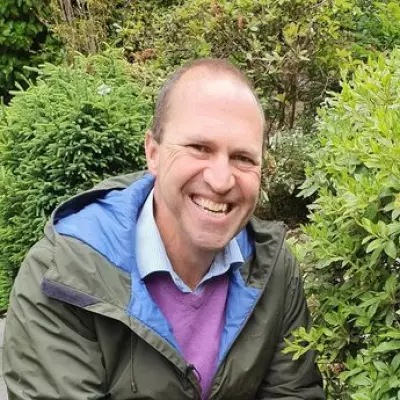
As the new year begins, a 72-year-old steam locomotive driver has shared a powerful story of how a simple month-long challenge saved his life after years of dangerous drinking and personal tragedy.
A Lifelong Battle with Booze
David Price, who splits his time between Pontypool in South Wales and Calstock, Cornwall, grew up immersed in a heavy drinking culture. He started consuming alcohol with friends as a teenager, believing six pints made him the life of the party. His drinking continued through university, eventually contributing to him dropping out due to a lack of direction.
"While I didn't drink every day, whenever I did I would drink to excess, and this carried on throughout my life," David admits. His career on the railways forced weekday sobriety, but he compensated by binge drinking at weekends. Even after meeting his wife Vivien in 2000, his problematic pattern persisted, causing concern.

Doctors warned him about his binge drinking. He frequently injured himself falling off his bike while drunk. Working as a cameraman at beer festivals, he would drink on the job and have to stop. The nickname 'pissed bloke' haunted him at motorcycle events.
The Tragic Wake-Up Calls
The real turning point came through profound loss. In 2009, a close friend died from alcohol-related causes, while another entered rehab for addiction. "It was heartbreaking," David recalls, "watching a person you know is capable of far better." He saw his own behaviour mirrored in his friend's use of alcohol as a social crutch.
Later, he received the devastating news that his ex-wife had also died from health issues linked to alcohol abuse, a habit he was unaware of during their marriage. These tragedies served as a stark alarm. Yet, even in retirement, he found it difficult to break the cycle, filling his spare time with pub visits.
Dry January Sparks a Lifesaving Change
Five years ago, David discovered the Dry January campaign. He decided to try it, and the experience opened his eyes to the damage his drinking was causing. Completing that first sober month sparked a fundamental shift.
Now, he maintains around 322 dry days each year. He only drinks on very special occasions like Christmas Day, limiting himself to a couple of drinks and never more than two days consecutively. This new approach has revolutionised his life.
"It’s changed my life," he states. He now rises at 6:30am for a 10-mile bike ride, enjoys his work on steam locomotives, and his wife Vivien has noticed a remarkable positive change in his demeanour. "I’m happy in the fact that the rest of my years will be my healthiest and happiest yet," David says, adding that his wit is now sharper than ever.
The Sober Truth About Being Funny
David's belief that he needed alcohol to be funny is a common one. New research from Alcohol Change UK reveals 48% of UK men think they are funnier when drinking. But is this perception accurate?
Former NHS doctor and addiction psychiatry expert, Dr Jeevan Fernando, explains the science. "You might feel funnier because everything is funnier when you're a little bit drunk," he says. "You are also likely to perceive yourself as funnier because everyone is laughing - because they are also drunk."
He clarifies that alcohol muffles the prefrontal cortex, the brain region responsible for decision-making and social filtering, leading to less inhibited speech. "As a society we've used alcohol as a bit of a crutch to be confident. But you can unfilter yourself naturally, while remaining in control. You can be funny when sober, all it takes is confidence… and maybe a little practice."
Expert Tips for a Successful Dry January
To support those attempting Dry January, Dr Jeevan Fernando shares his top, GP-approved advice for cutting down and staying on track.
Use the Try Dry app: Evidence shows people are twice as likely to complete Dry January with the app, and 70% of participants drink less in the following months. It helps set goals, track progress, calories, and money saved, and offers community support.

Seek support from friends and family: Tell people you are participating. Better yet, invite them to join you. Having a support network is crucial for morale.
Replace alcohol with a positive alternative: Since alcohol often acts as a reward or relaxant, find a healthy substitute that provides a similar feeling, like an alcohol-free drink, a creative hobby, or physical activity like walking.
Keep your hands busy: If you drink simply to have something in your hands, try holding a non-alcoholic beverage, a fidget spinner, or a hair bobble instead.
Continue socialising: Don't avoid social events. Continuing to see friends while not drinking will normalise the behaviour and help you rediscover your authentic, sober self.
The Tangible Benefits of Reducing Alcohol
Dr Jeevan outlines the significant improvements that come from cutting back on booze.
Short-term health gains include instantly better sleep, leading to more energy, reduced brain fog, improved emotional wellbeing, and lower stress and anxiety. These benefits can be felt within days.
Long-term health benefits are substantial: reduced blood pressure and cholesterol, lower risks of diabetes and several cancers (throat, stomach, breast, prostate, liver), and a significantly decreased risk of dementia. Alcohol accelerates the brain's natural ageing process, so reducing intake protects cognitive function.
Financial savings are also notable. With the average drinker spending £118 per month on alcohol, heavier drinkers can save a considerable sum, potentially funding a memorable holiday.
For men specifically, reducing alcohol can improve sex drive. Alcohol is linked to lower testosterone, which can cause reduced libido and erectile dysfunction, as well as affect motivation and cognition.
David Price's story is a potent testament that it is never too late to change. His journey from a life overshadowed by alcohol to one of health and clarity offers powerful inspiration as another Dry January gets underway.